A child’s future begins long before their first day of school. With your support today, we can equip families to nurture the minds and hearts that will shape tomorrow.
At Baino Social Impact, transforming Uganda’s most vulnerable regions begins where all progress starts — with a child’s brain, heart, and hope.Children are at the heart of it all: the true treasure, the solution to all that ails.
In Uganda’s most underserved region, children are not just the most vulnerable — they are the greatest source of hope. In Busoga’s fight against poverty and illiteracy, early childhood development is the most powerful lever we have. The health of a society begins with how it nurtures its youngest: their brain development, emotional stability, and school readiness are shaped long before the classroom.
At Baino Social Impact, we are convinced that building a literate, thriving, and equitable society starts with protecting and empowering every child from the very beginning — through family support, quality care, and opportunities to flourish.
Help us shape a future where every child’s mind grows strong, safe, and full of promise.
Donate today — because childhood is where lasting change begins.
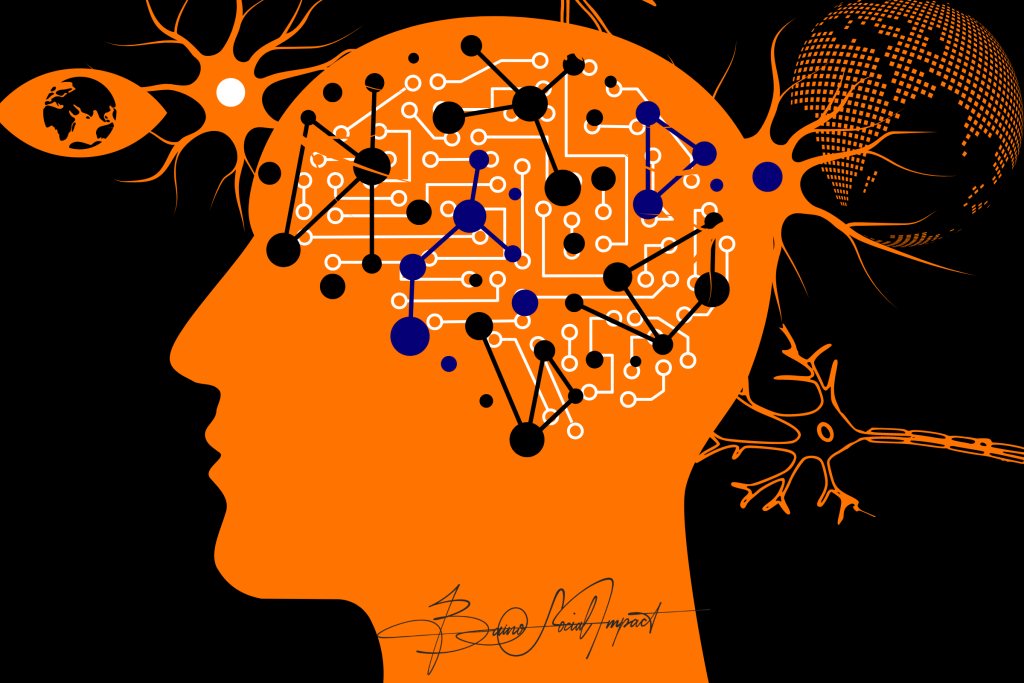
The Power of the Brain: Why Early Years Matter
The brain is the engine that drives everything—from personal well-being to the prosperity of an entire society. In Busoga, nurturing early brain development is a critical step towards building a literate, innovative, and inclusive society.
Brains are built in stages, beginning shortly after conception and continuing through early adulthood. The early years are the most active period for forming neural connections that create the foundation for future learning, behaviour, and health. Early experiences—positive or negative—leave lasting imprints. Just as a house needs a strong foundation, children need supportive, enriching environments for healthy brain development.
Without this, the effects of poverty, stress, and neglect can cause lasting damage that carries into adulthood, limiting potential and opportunity.
Why Early Experiences Shape the Future
Research confirms: it’s far more effective and cost-efficient to provide supportive early childhood environments than to try to fix problems later in life.
A child’s brain thrives on:
- Nurturing relationships with responsive, caring adults.
- High-quality experiences that encourage play, exploration, and learning.
- Good nutrition, protection from toxins, and safe, stable environments.
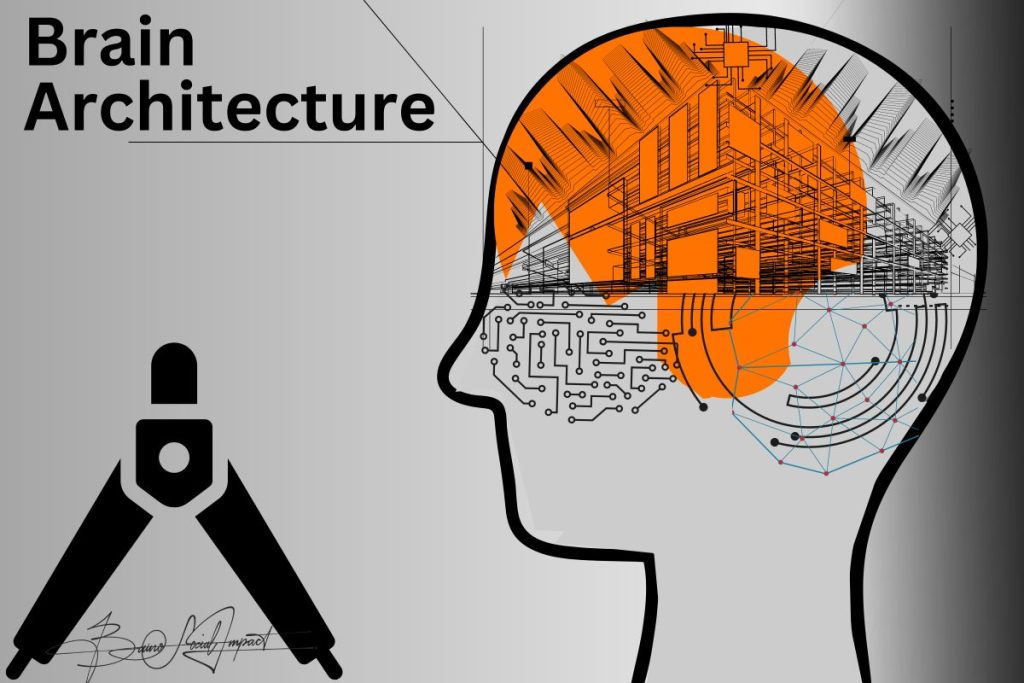
Unfortunately, in Busoga, many children face chronic stress, malnutrition, and limited early learning opportunities. Toxic stress—when a child’s stress response stays activated too long without support—can weaken brain architecture, especially in areas critical for problem-solving, emotional regulation, and self-control.
Relationships: The Key to Brain Development
Relationships are the active ingredient in healthy development. From parents and grandparents to teachers and neighbours, every caring, consistent connection helps shape a child’s future success. Early secure attachments build:
- A love of learning.
- Confidence and positive self-identity.
- Social skills and emotional intelligence.
- Morality, commitment, and resilience.
In Busoga, where poverty, illiteracy, and poor health are daily realities, the quality of our children’s relationships is often compromised. We must change this if we are to secure their future—and ours.
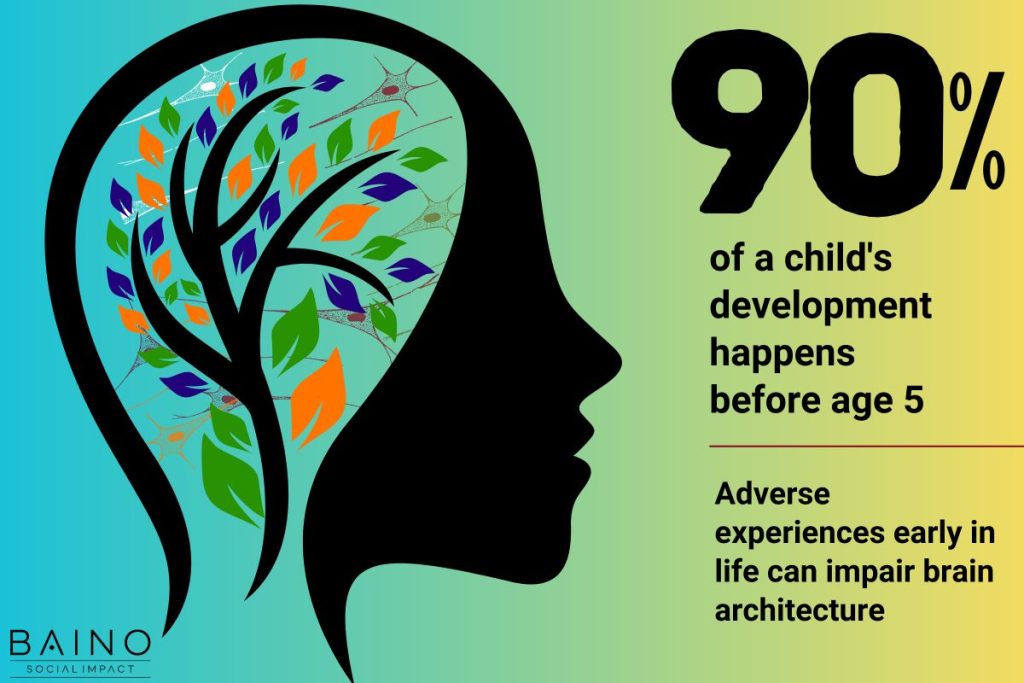
90% of a Child’s Development Happens Before Age Five
The earliest years of life are not just the beginning — they are the blueprint. By age five, a child’s brain has formed up to 90% of its adult structure. This window is where language blooms, curiosity sparks, and emotional resilience takes root. But it’s also the time when neglect, poor nutrition, stress, or lack of stimulation can leave lasting scars.
In communities where poverty limits opportunity, this crucial phase is often overlooked. Yet, no investment yields greater return than early childhood support. It’s not just about building schools later — it’s about building brains now. When we nourish, engage, and protect children early, we lay the foundation for stronger minds, healthier communities, and a more just future for all.
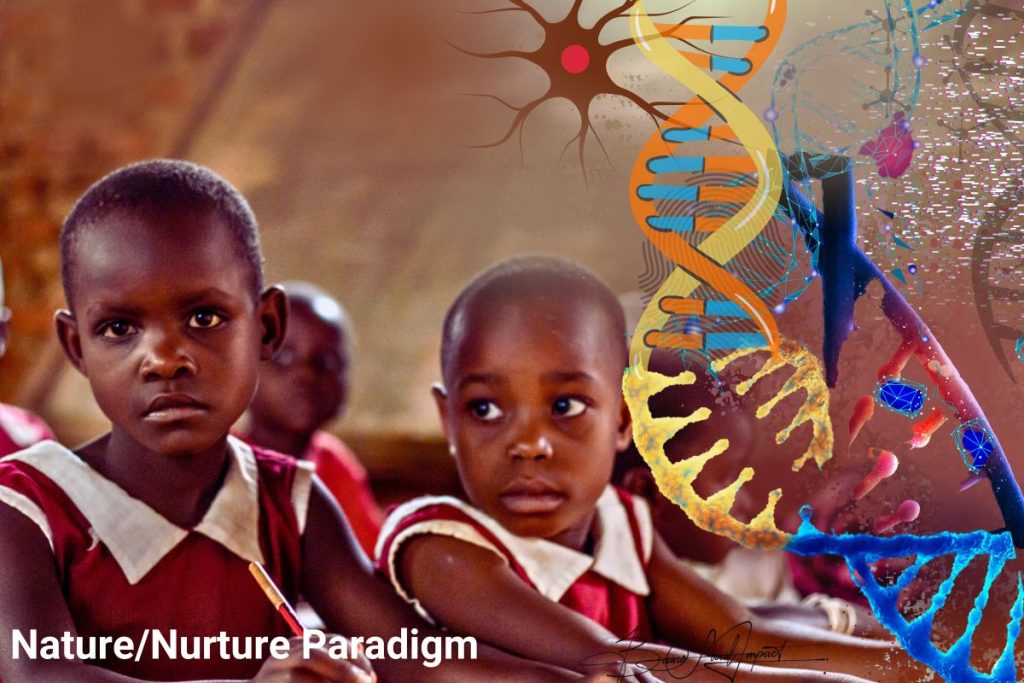
Why Childhood Matters
The quality of a child’s day-to-day life—their childhood—must be managed with extraordinary care. Their environment, self-image, values, brainpower, and attitude shape the future of the region. In Busoga’s vision, children grow up in a supportive, united community that instills resilience, a strong work ethic, and a commitment to collective progress.
Children are born ready to learn. From their earliest moments, they depend on parents, caregivers, and communities to help them grow into healthy, capable, and confident individuals.
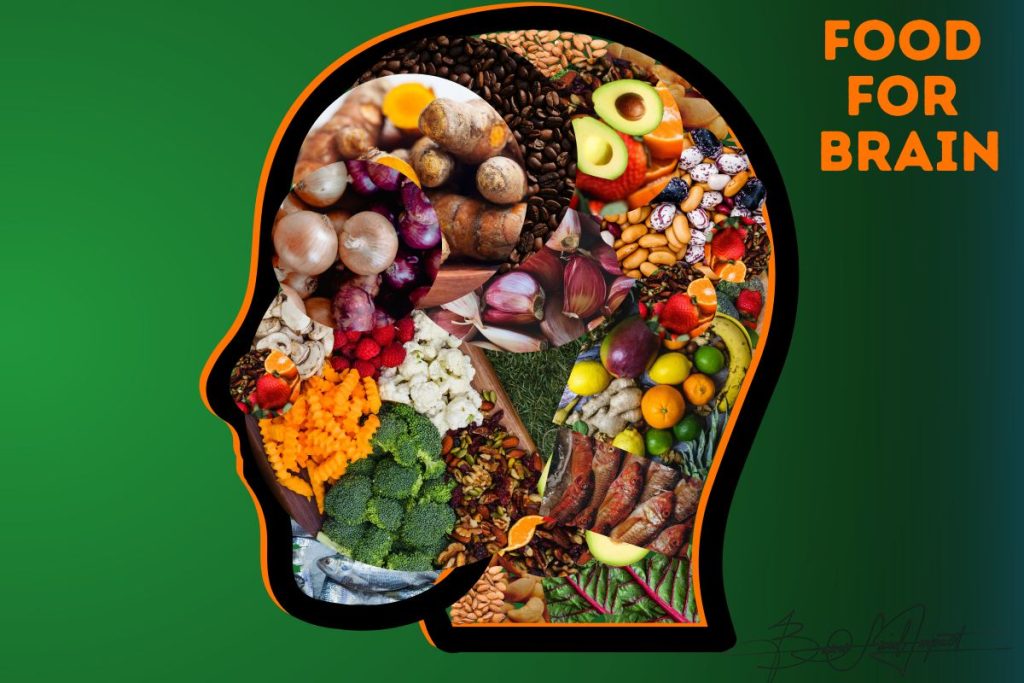
Food for the Brain
A child’s brain is like fertile soil—rich with potential, but dependent on what is sown into it. Good nutrition isn’t just about filling a stomach; it’s the fuel that powers memory, attention, and learning. While books awaken the mind, and play sparks creativity, food lays the groundwork. Without it, even the best teachers and schoolrooms fall short.
Think of food as the quiet partner to education and love—just as critical, yet often overlooked. A balanced diet rich in proteins, iron, and essential vitamins works like a sharpened pencil in the hands of a ready student—it makes every effort clearer, faster, and more effective. If we want children to dream big and think boldly, we must first nourish their minds at the source—one meal at a time.
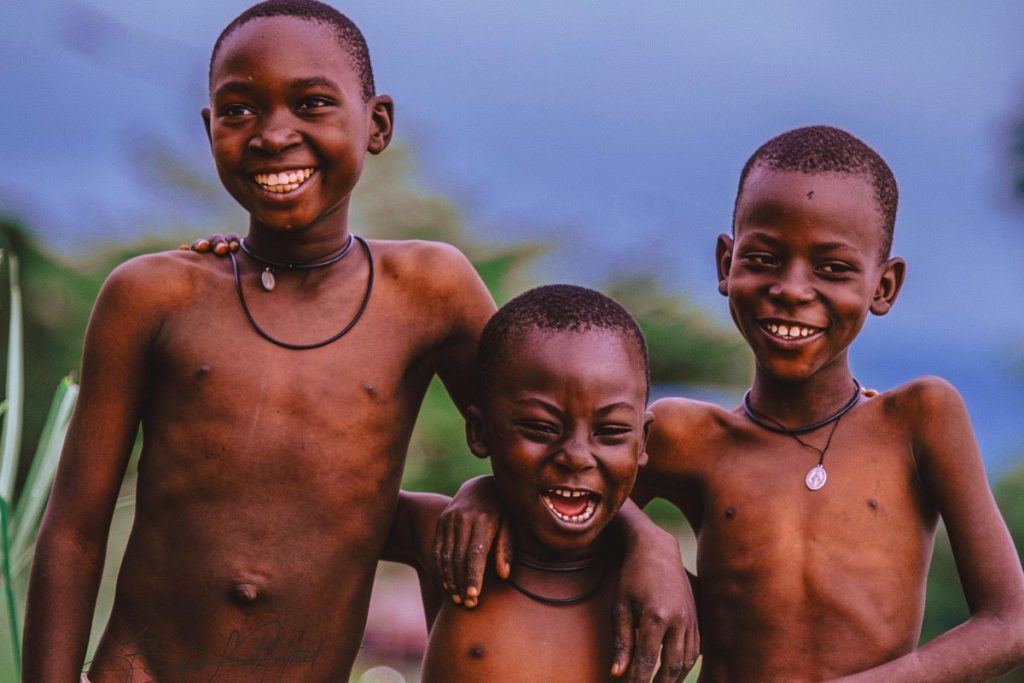
Importance of Relationships
The Case for Investing in Children’s Brainpower
Every dollar or effort invested in strengthening children’s brainpower yields lifelong dividends in productivity, responsible citizenship, and well-being. When we prioritize early brain development:
- We build a workforce ready for the challenges of a competitive global economy.
- We empower future leaders who can make wise, science-based decisions.
- We lay the groundwork for innovative, integrated solutions to current and future challenges.
To transform the world’s most underserved communities, we must begin where it all begins — with our children.
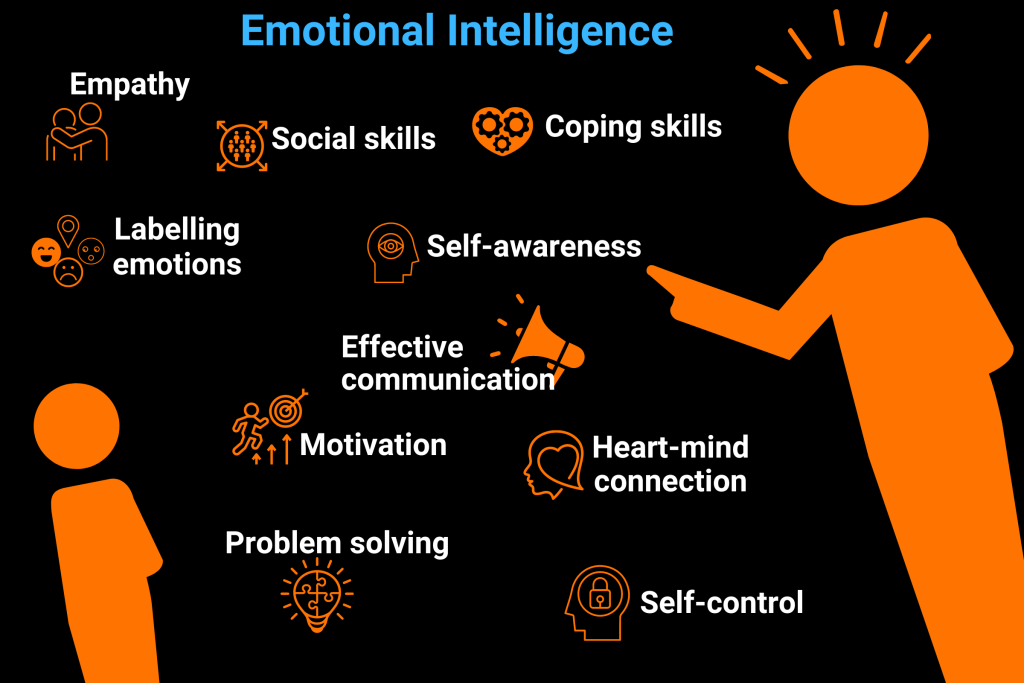
Emotional intelligence isn’t just a personal skill—it’s a survival tool in underserved communities.
In places where resources are scarce and stress is high, the ability to navigate emotions, build trust, and resolve conflict can mean the difference between hope and despair.
For children growing up in poverty, emotional intelligence nurtures resilience; for families, it fosters stronger bonds; and for communities, it becomes the silent thread that holds everything together.
When we invest in emotional development through education, mentoring, and safe environments, we’re not just building smarter individuals—we’re cultivating the wisdom, empathy, and leadership that lasting change depends on.
This Fragile Brain Was Broken Before
A child’s brain is not built all at once — it is woven, layer by fragile layer, through every word spoken, every touch offered, every moment of care.
It is architecture shaped not just by biology, but by love, by learning, by safety. In the earliest years, the brain forms over one million neural connections every second, sculpting the foundation of who a child will become.
And like any structure, if the base is cracked by hunger, stress, or neglect, the weight of the future will rest on shaky ground.
But when we nourish that architecture with protection, play, nutrition, and education, we don’t just grow children — we grow capacity. We lay down pathways for memory, attention, language, empathy, and imagination. The brain becomes a cathedral of potential.
In Uganda’s underserved communities, where too many children are deprived of these essentials, the opportunity to build strong brain foundations is a powerful act of justice. Because a well-built mind is not only a miracle — it is a tool for liberation.