Waste doesn’t vanish — it endangers health and pollutes communities. Help us bring safe waste management to Busoga and protect lives and the environment.
Reimagining Waste: A Community Priority
Every item we discard has a destination. Waste doesn’t simply disappear — it ends up in our soil, water, streets, and sometimes, in our bodies. Poor waste management leads to pollution, disease, and a degraded environment, undermining Busoga’s health and dignity.
Effective waste management is not just sanitation — it is a pillar of public health, safety, and sustainable community development.
Join us in building cleaner, healthier communities.
Donate today to support waste management solutions that protect lives and restore dignity in Uganda’s poorest region.
The Two Faces of Waste
Waste comes in two forms:
- Hazardous waste – dangerous materials from industries, institutions, or households that can harm humans and ecosystems.
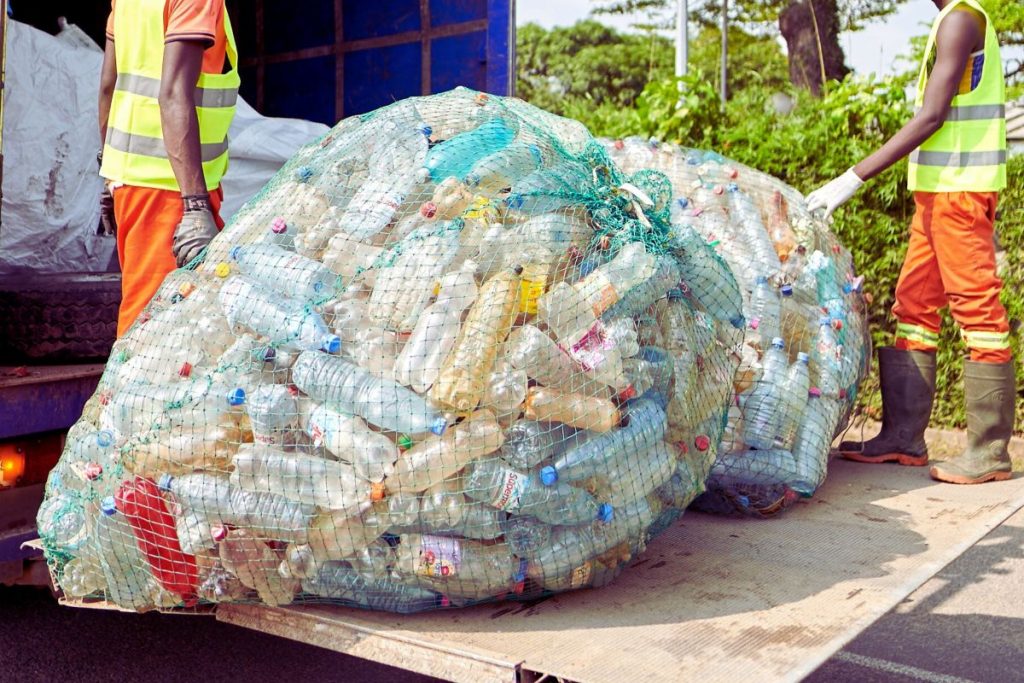
• Non-hazardous waste – biodegradable garbage (food waste) and dry refuse (paper, plastic, glass, fabric, etc.).
Both require specific handling and regulations to ensure safe disposal.
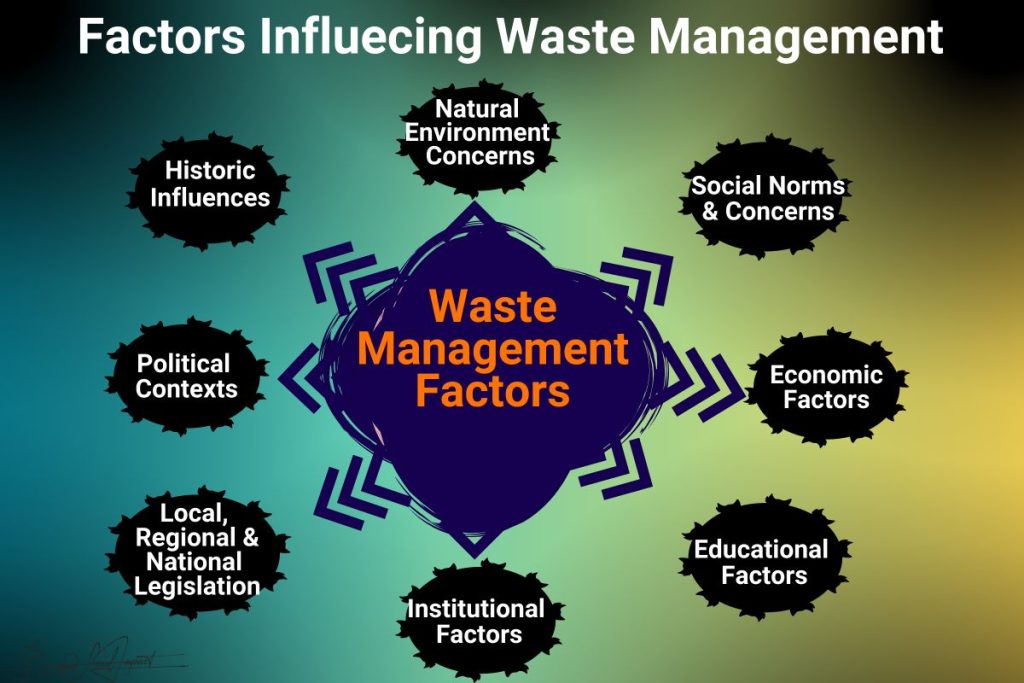
Waste management isn’t just about bins and trucks—it’s about behavior, beliefs, and broken systems.
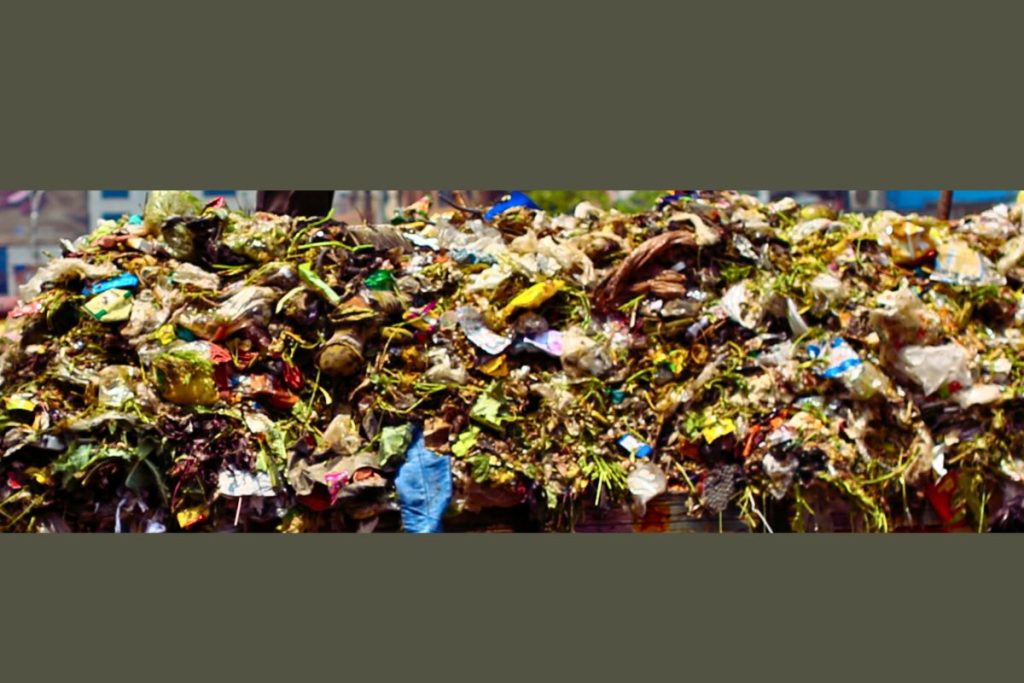
In Uganda’s most impoverished communities, including rural Busoga, how waste is handled reflects deeper realities: extreme poverty, lack of infrastructure, and an everyday struggle for survival. When families are fighting to secure food or water, safe waste disposal becomes a distant concern. Waste piles up not because people don’t care, but because the basic tools, education, and support to manage it simply don’t exist.
In places where generations have lived without access to structured waste services, unsafe disposal has become the default. Open dumping, burning, and contamination quietly degrade the health and dignity of entire communities.
Through community education, youth engagement, and grassroots recycling initiatives, we can help transform waste into a point of empowerment.
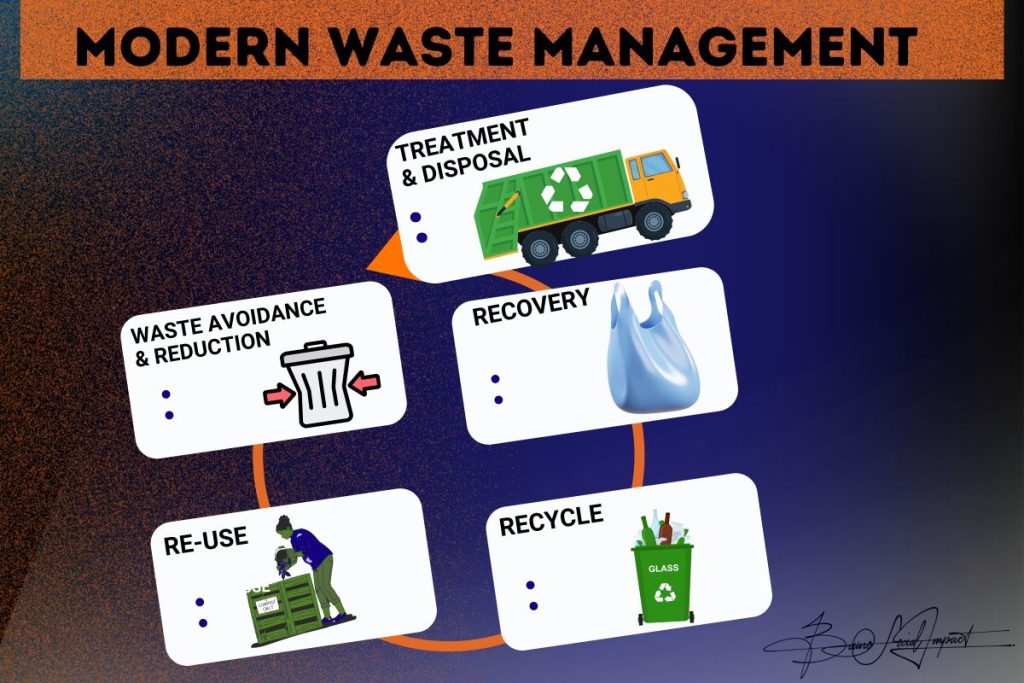
What Waste Management Entails
Responsible waste management involves the entire journey:
→ Generation → Collection → Transportation → Treatment → Disposal
It includes:
- Landfills, recycling, and composting.
- Safe handling of hazardous waste to prevent contamination and disease.
- Reducing environmental risks from burning waste, especially plastics, which release toxic chemicals like dioxins and sulfur dioxide.
The Role of Recycling
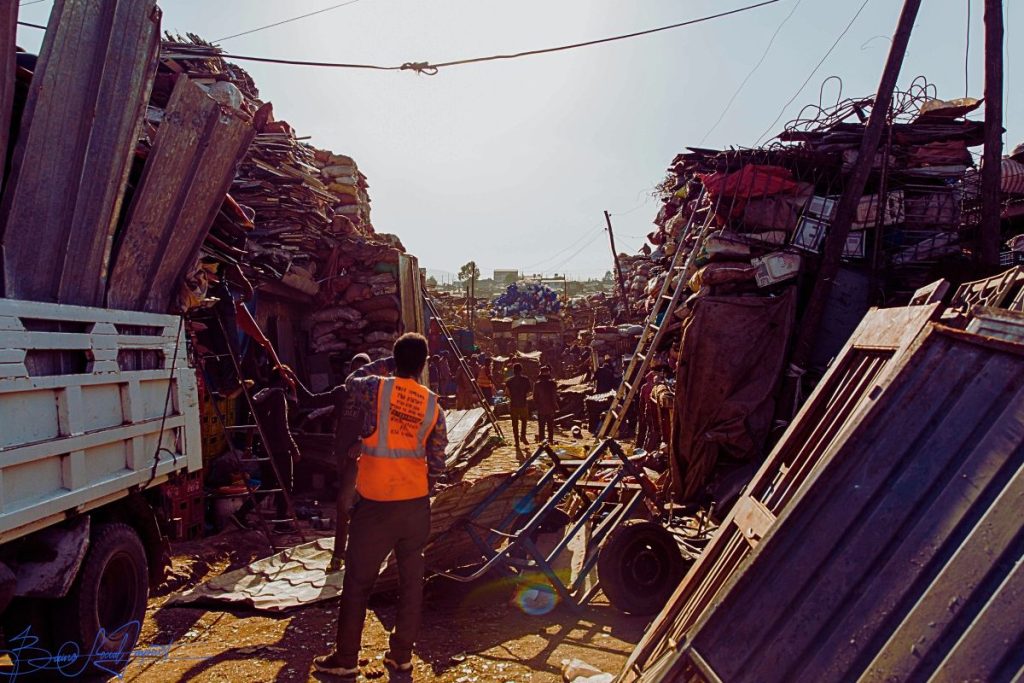
Modern waste systems prioritize reduction, reuse, and recycling over burning or dumping. Source separation, where households sort waste, is critical. Materials like glass, metal, plastic, and paper can be:
- Sold to manufacturers
- Repurposed for new products
- Processed into useful materials like compost or cullet
E-waste, including discarded electronics, is an emerging crisis. Without proper systems, toxic heavy metals seep into soil and water. Policies and recycling programs for e-waste are urgently needed.
Better Alternatives to Burning
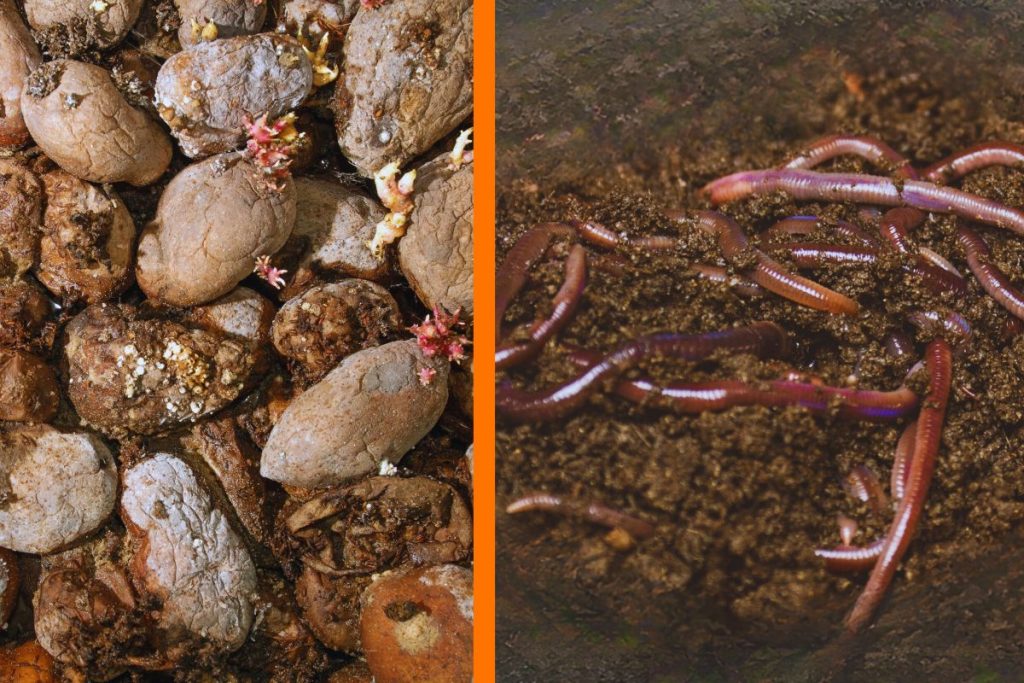
Traditional burning reduces waste volume but releases harmful toxins. Sustainable alternatives include:
- Composting – Turning organic waste into nutrient-rich fertilizer.
- Recycling plants – Recovering valuable materials for reuse.
- Sanitary landfills – Controlled sites preventing environmental contamination.
Where incineration is unavoidable, modern regulated furnaces must be used to limit harmful emissions.
Modern Waste Solutions
Recycling, Composting, and Sanitary Landfills
- Recycling: Glass, paper, metal, plastics, and rubber can be recovered and reused. Colour-sorted glass becomes cullet for bottles or asphalt. Metals are compacted for mills. Plastics are reprocessed into new materials or fuel.
- Composting: Biodegradable waste becomes fertilizer, reducing landfill dependence and improving agriculture.
- Sanitary Landfills: The last resort, designed to protect groundwater and air from contamination.
Time to Take Responsibility
Every household, institution, and leader in Busoga must own this responsibility. The plastic bags we toss, the glass we shatter, and the food we waste leave lasting scars on our environment and health.
Cleaner streets, healthier families, and greener cities are possible if we rethink how we treat waste.
Collective Action for Clean Communities
In the past, Busoga thrived on communal efforts — regular clean-ups, maintenance, and shared development. This spirit must return, now guided by scientific knowledge and community pride.
Plastic bags littering fields and springs destroy soil fertility, choke water sources, and jeopardize public health. Waste is not an inconvenience; it is a community responsibility.
A Call to Leaders and Citizens
Leaders must:
- Enforce environmental and waste management laws.
- Lead by example in waste reduction and pollution control.
- Prioritize data collection for informed policy and infrastructure planning.
Citizens must:
- Separate waste at the household level.
- Reduce, reuse, and recycle.
- Support clean-up drives and environmental education.
A Cleaner, Greener Busoga Is Possible
Waste is not just a technical issue — it is a moral and social issue. How we manage what we discard reflects who we are. If we aim to build a dignified, modern, and literate society, we must manage our waste as thoughtfully as we plan our future.
Let’s build a culture of environmental stewardship. Start with your household. Separate your waste. Recycle what you can. Protect your community’s health and future.
Donate today
Donate today to support waste management and environmental health in Uganda’s most underserved communities — and help build a cleaner, healthier, and more dignified tomorrow.