Baino Social Impact is a Canada-registered nonprofit working in Uganda to strengthen literacy, education systems, and learning environments.
The Problem Beneath the Problem
Poverty rarely exists in isolation.
It grows where learning is fragile, where educational pathways break down, and where literacy fails to take root in everyday life.
In such environments, opportunities narrow quietly. Choices shrink. Communities are left without the tools to shape their future.
At Baino Social Impact, we see literacy differently.
Literacy is not simply a skill taught in a classroom.
It is an environment.
When learning environments are stable and accessible, dignity begins to grow naturally. Participation expands. Possibility returns.
That is why Baino focuses on building durable educational foundations.
Our work strengthens literacy environments, supports learning across childhood, and helps communities develop the structures that allow education and dignity to endure.
Because lasting progress is never accidental.
It grows where literacy, dignity, and opportunity are intentionally built into the fabric of everyday life.
The Thinking That Shapes Our Work
These essays form the intellectual foundation of Baino Social Impact.
They do not begin with solutions, but with understanding: of how poverty persists, how literacy takes root, and how dignity is shaped through structure.
They are grounded in observation, experience, and careful thought, shaped over time through work within communities and across systems.
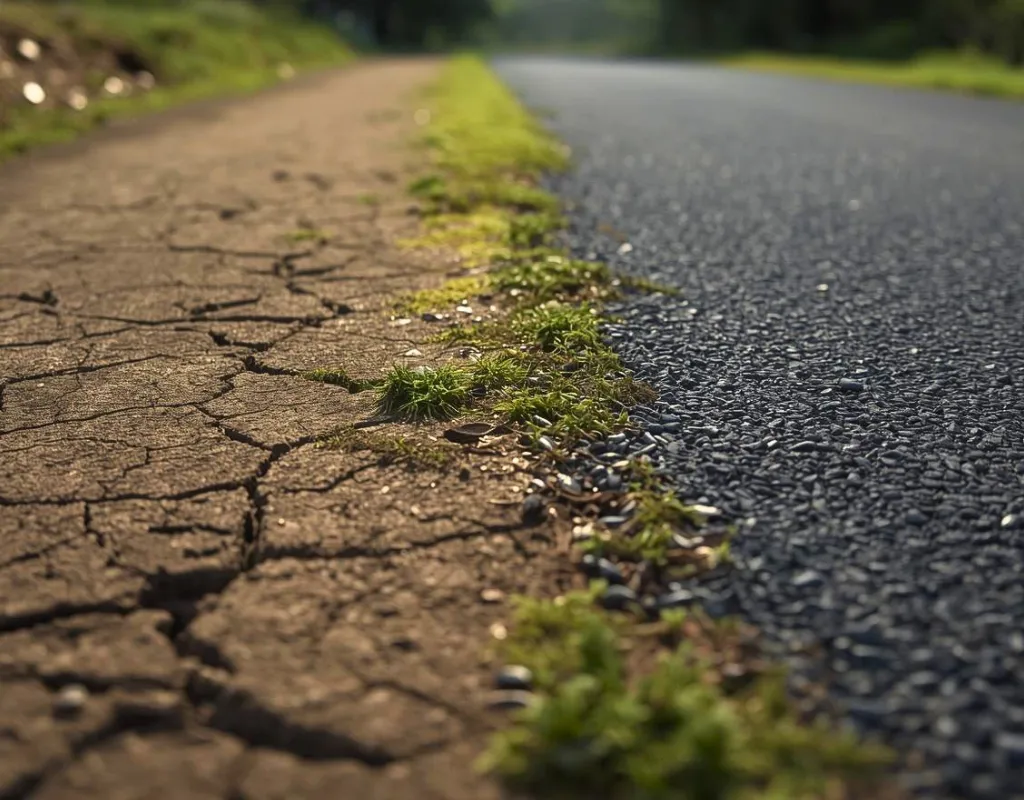
FOUNDATION ESSAY
When My Two Worlds Met on a Dusty Road
A personal encounter that revealed the role of structure
A story of growing up in Uganda and later encountering a different kind of strength in the West—one rooted in structure.
It revealed a lasting truth: without structure, resilience becomes survival, and survival alone is not a future.

FOUNDATION ESSAY
The Space Between Worlds
Where dignity, literacy, and structure converge
A reflection on how environments shape opportunity and human potential, and why lasting progress begins with how we understand people, systems, and responsibility.
FOUNDATION ESSAY
Six Things I Admire About People in the West
The habits and systems that make progress endure
Written from rural Uganda and shaped by nearly two decades of lived experience in the West, this series reflects on the habits, systems, and cultural strengths that sustain societies over time—and what they reveal about how durable progress is built.
How Baino Builds Change
Lasting progress does not come from isolated interventions.
Our work is therefore not a collection of isolated activities.
It is a system built with structure, patience, and consistency, so that literacy, dignity,
and opportunity can take root and endure.
This work is organised through five interlocking pillars, each contributing to the conditions that make learning possible, usable, and sustainable over time.
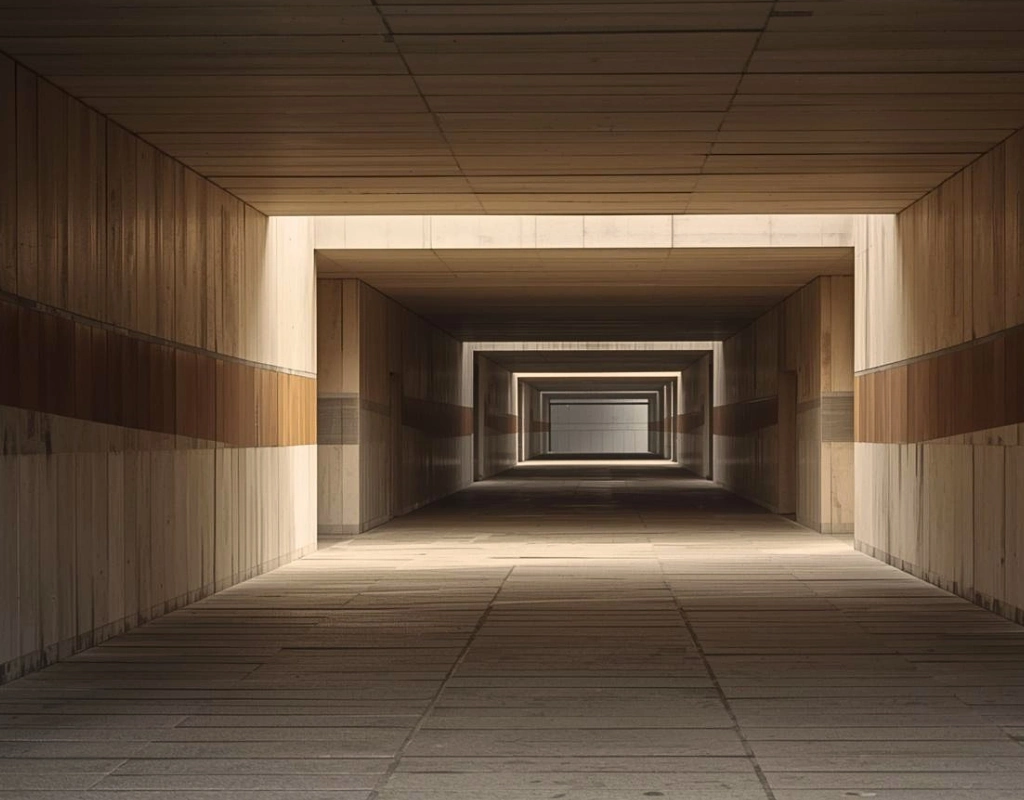
PILLAR 1
Community Care
Makes learning possible
Stability and care that allow learning to begin where it would otherwise be interrupted.
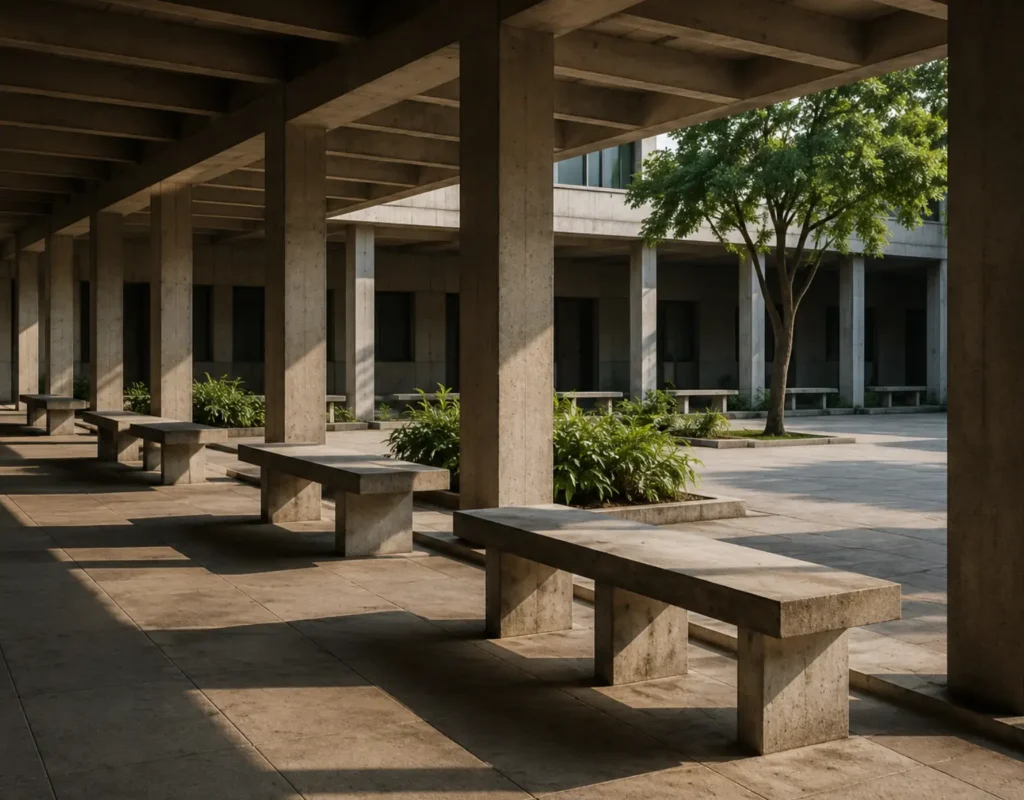
PILLAR 2
Pathways
Gives learning direction
Movement and transitions that carry learning beyond instruction into real participation.
PILLAR 3
Belonging & Culture
Allows learning to endure
Shared patterns and alignment that allow learning to endure, rather than drift over time.
Across Childhood
A child’s life does not unfold in moments, but across time.
What begins early must be carried forward.
What is formed must be strengthened.
What is learned must become usable.
Baino works across the full arc of childhood, not as separate stages,
but as a continuous process of growth, formation, and becoming.
Baino In Practice
This work extends beyond structure. It is observed in real situations, tested in lived conditions, and refined through experience over time.
Here, we share how these ideas take form: through essays, field observations, and moments encountered along the way. These are not conclusions. They are steps within an ongoing process.
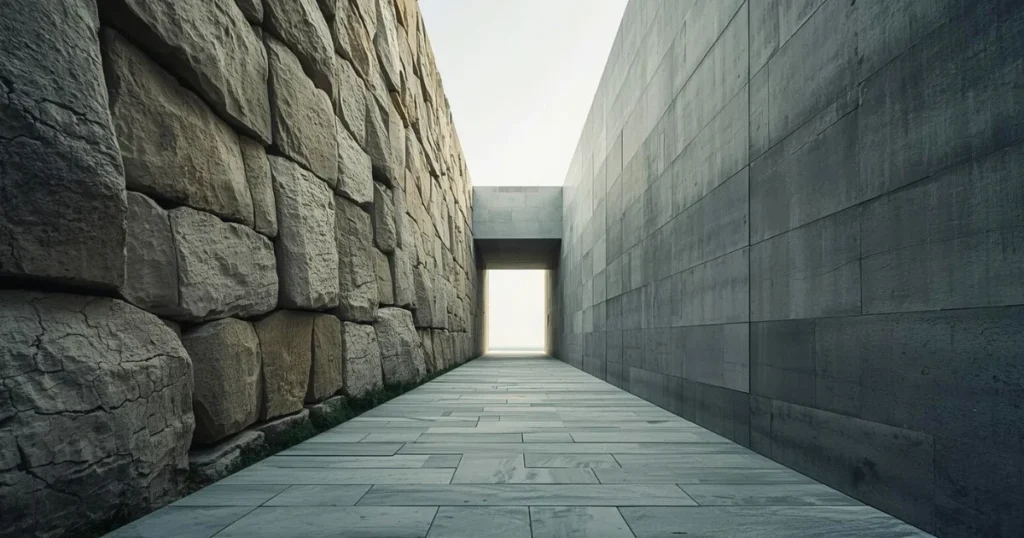
There are moments when two worlds do not collide, but quietly meet.
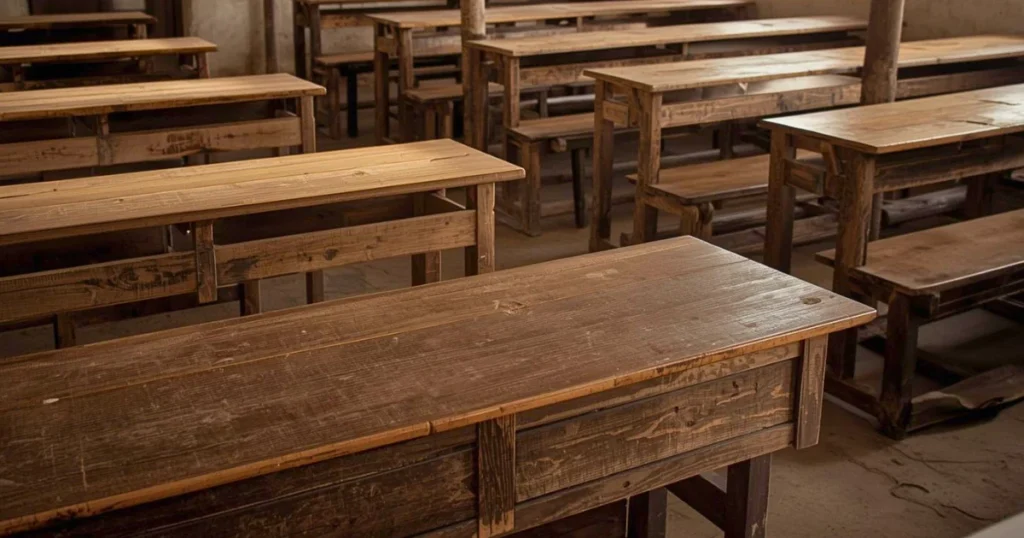
How Baino Builds Change
Education as a Pathway to Lasting Change
Field Notes
An Iron-Sheet Roof in the Afternoon Heat
Now Showing
What we want to bring to your attention right now.