
When My Two Worlds Met on a Dusty Road
The founder story of Baino Social Impact describes how Peter Kalyabe’s experience between Uganda and the Western world led to a mission focused on education, literacy, and systems that restore dignity. The organization was created to confront poverty and illiteracy by building structures that allow communities to thrive.
What Progress Needs to Continue
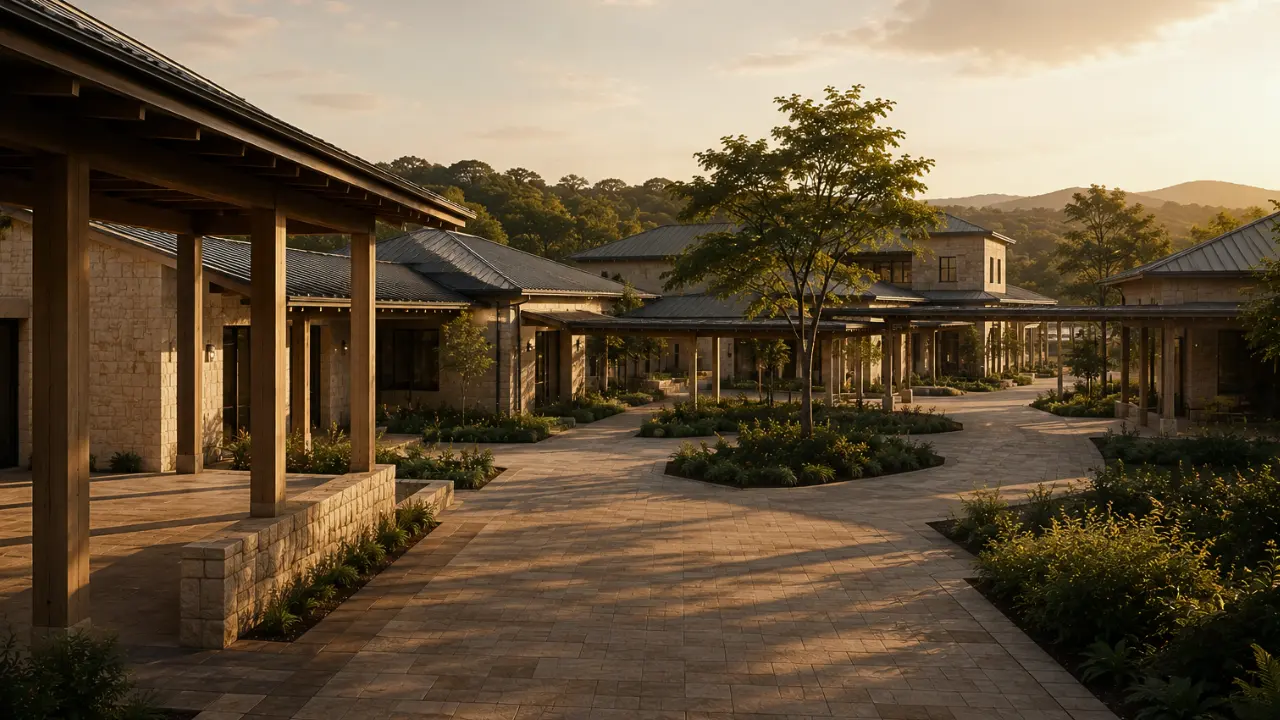
Durable progress depends on more than access or a single intervention. Baino Builds Change follows five connected conditions that help progress continue: stable environments for learning, usable pathways into participation, belonging and cultural recognition, economic and social continuity during periods of pressure, and norms that help constructive progress become increasingly expected and carried forward. Together, these pillars offer a framework for understanding how progress can take hold, mature, and become more deeply rooted within communities.

Before Explaining Change, We Changed the Question
Before introducing its approach to lasting educational change, Baino began with five questions instead of five answers. This article explains why. It explores how questions help people understand the foundations, systems, continuity, and conditions that make lasting educational progress possible, and why Baino believes understanding begins long before solutions are presented.

The Pathways That Carry Learning Into Participation
Learning pathways are the structures and transitions that carry learning beyond instruction and into participation. They connect stages of growth, support continuity over time, and help individuals move from preparation into meaningful engagement within society.
When Access to Learning Is Not Enough
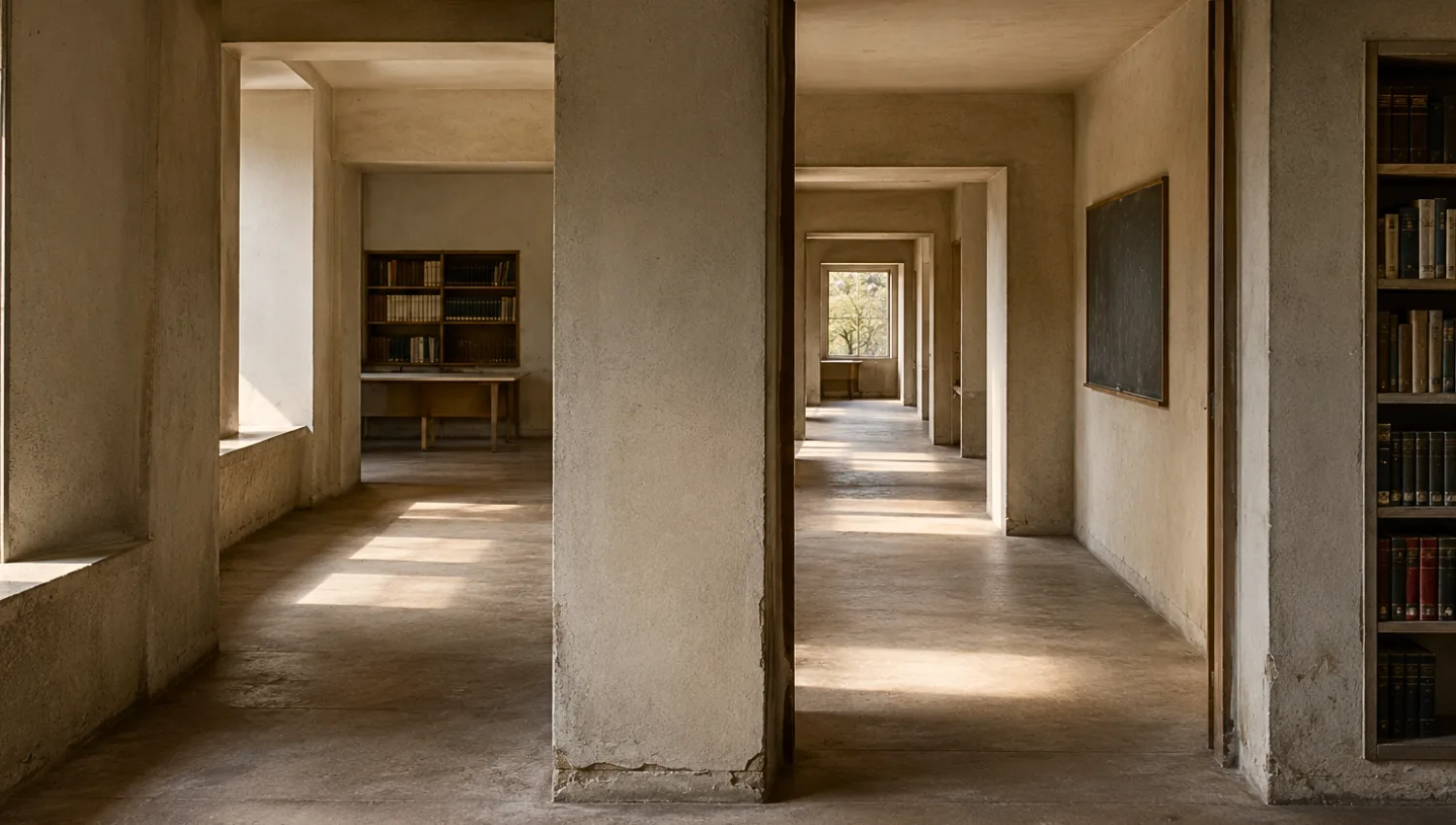
Access to learning creates entry into education, but it does not always create continuation. Without pathways that connect stages, support transitions, and sustain movement over time, learning can remain disconnected from participation and real-world application.
What Makes a Pathway Real and Usable
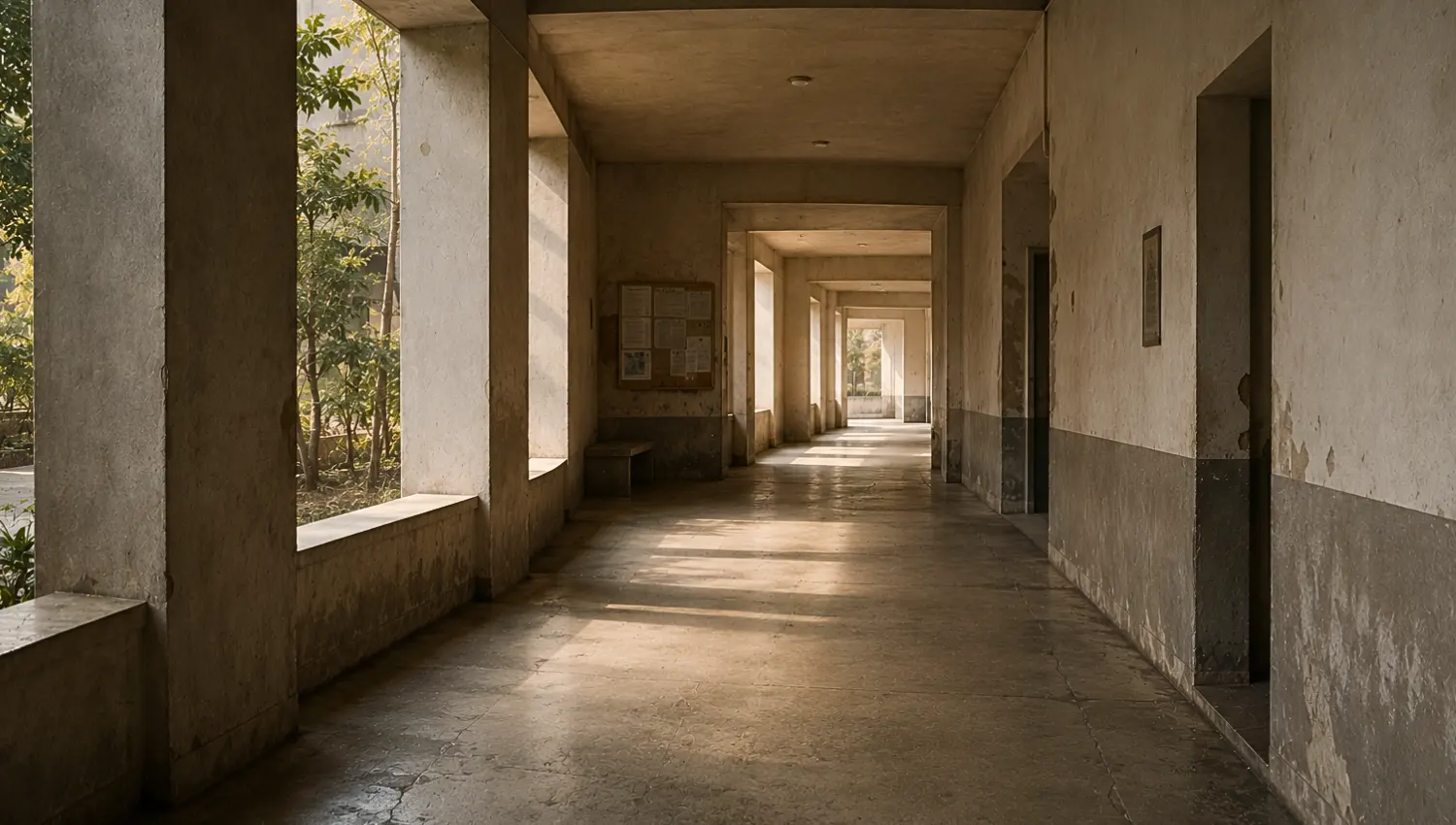
A learning pathway becomes usable when learners can realistically move through connected stages over time. This requires visible progression, reachable transitions, sustained support, and continuity between learning and real participation in the wider world.
Why People Do Not Stay on the Path
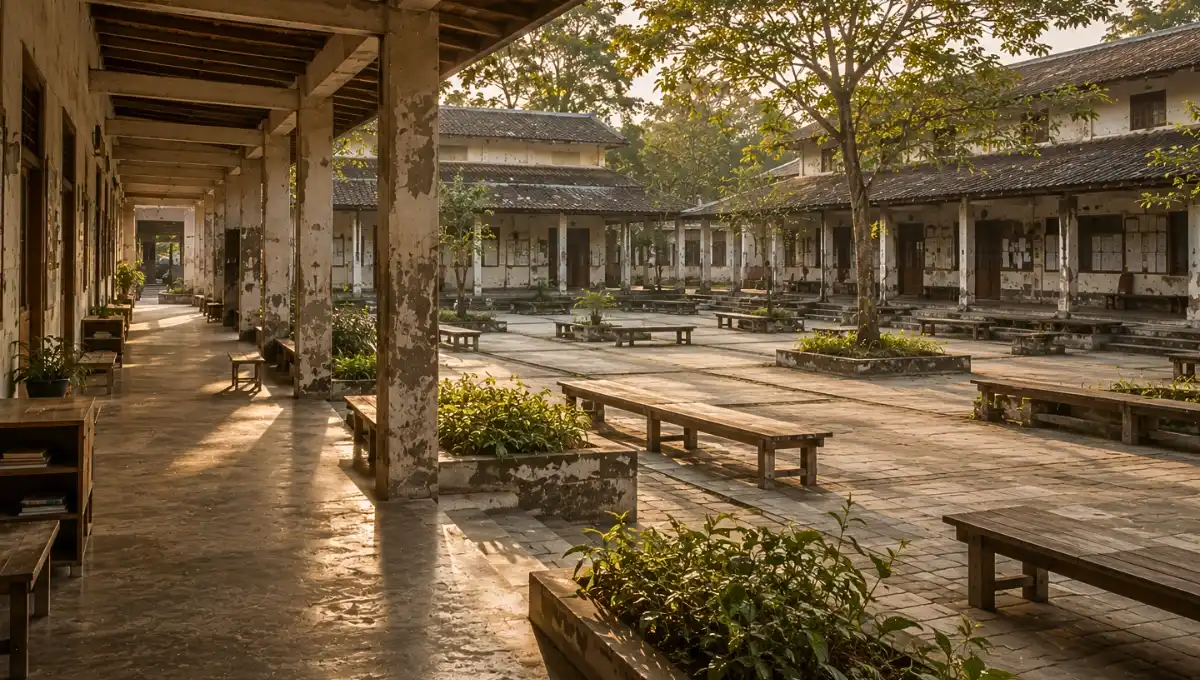
Why do people quietly disengage from learning pathways even when opportunity exists? This article explores how persistence is shaped not only by personal effort, but by belonging, recognition, and the surrounding environment. It examines how participation becomes difficult to sustain when learning no longer feels connected to identity, everyday life, or socially reinforced continuity.
When Progress Is Interrupted
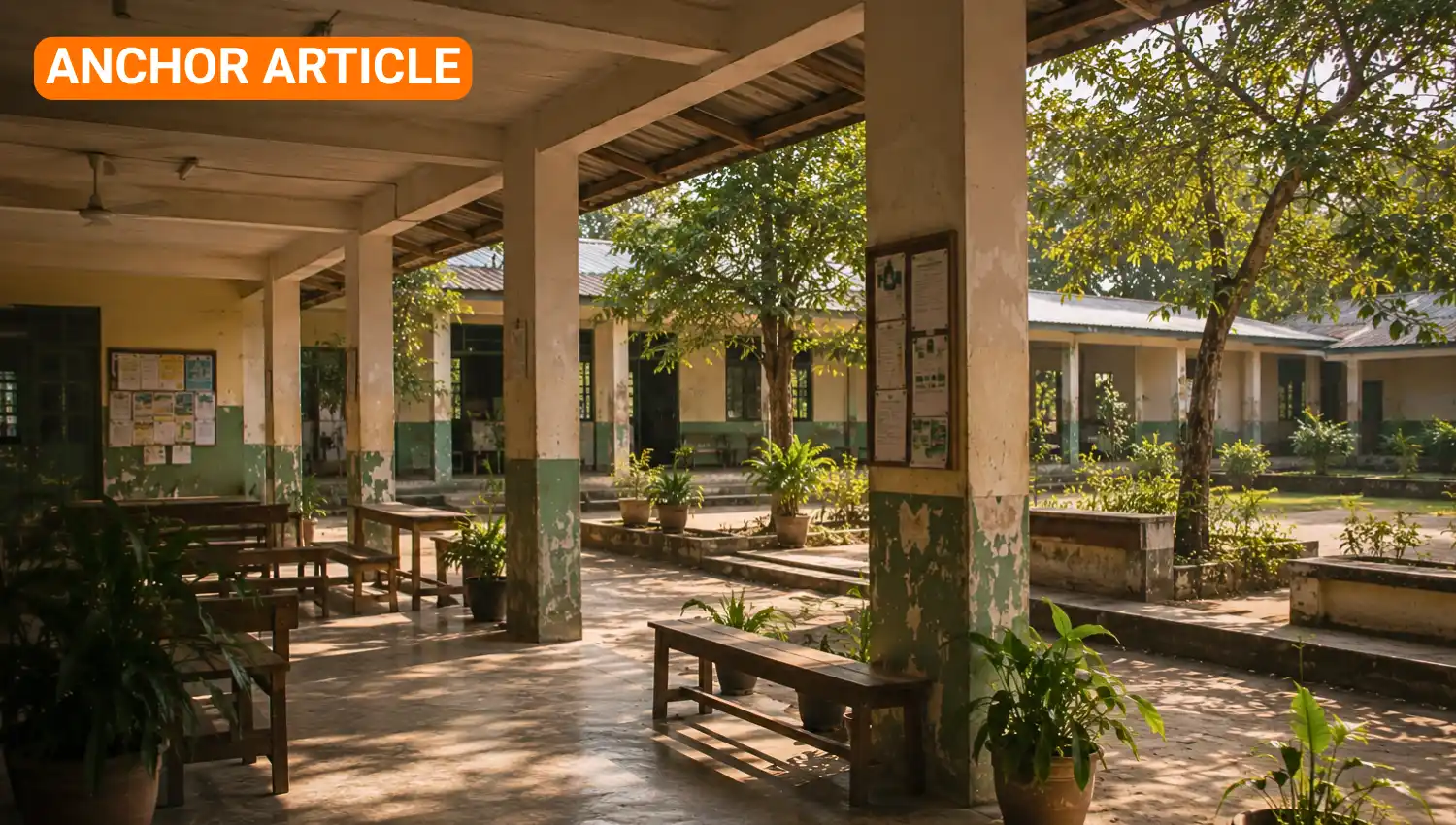
Learning can begin, pathways can exist, and people can remain committed, yet progress can still break. This article explores why continuity in education matters, showing how interruption, economic pressure, instability, and competing responsibilities often disrupt learning long before effort or motivation disappear. It argues that progress depends not only on learning opportunities, but on the ability to continue moving forward through the realities of everyday life.
Why Progress Breaks Midway
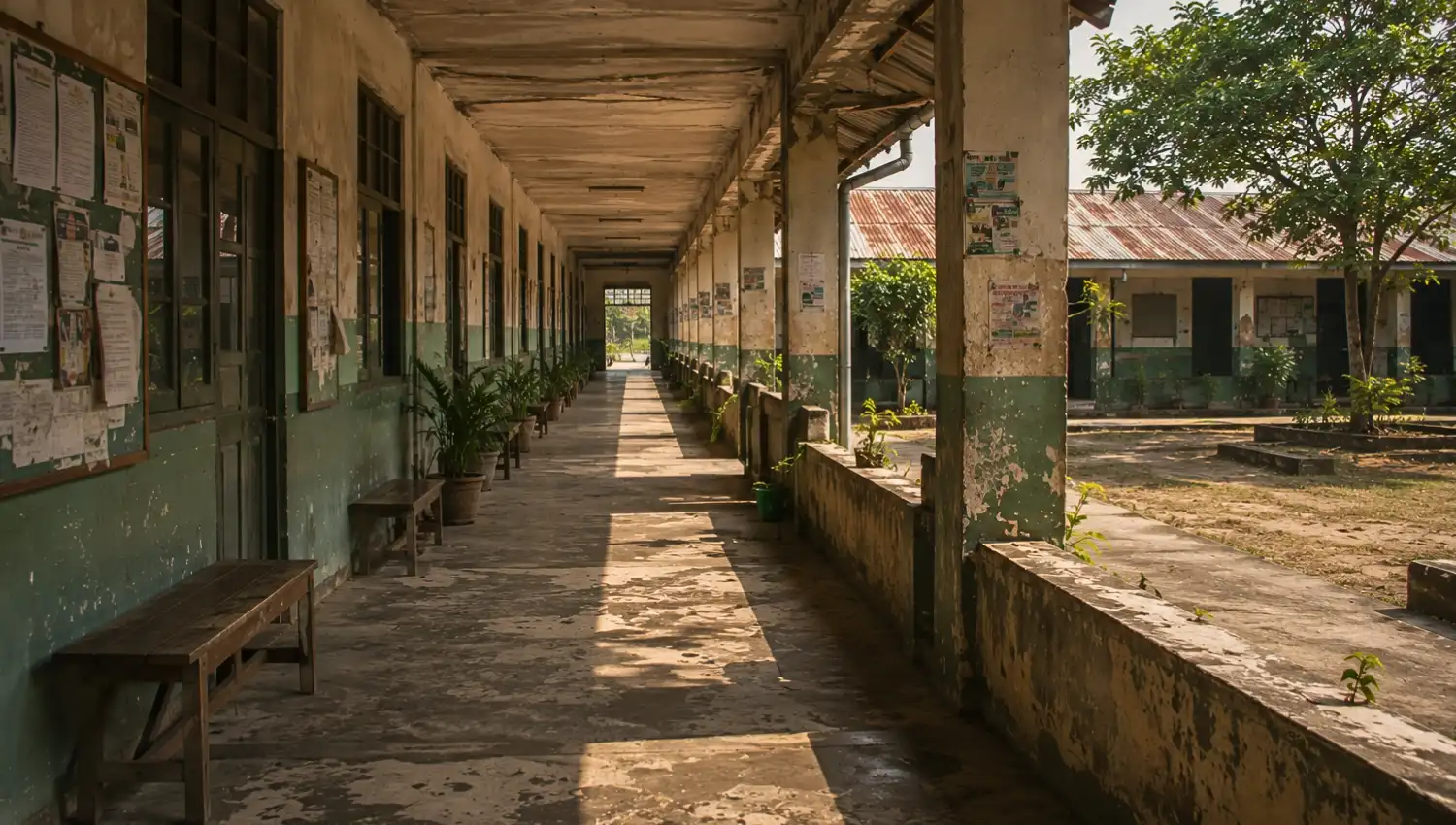
Why does progress often break after it has already begun?
This article explores how interruption, instability, and competing pressures gradually weaken continuity over time. It examines why many learning journeys struggle during continuation rather than at the beginning, and why protecting continuity is essential for sustained participation and long-term progress.
How Communities Carry Progress Forward
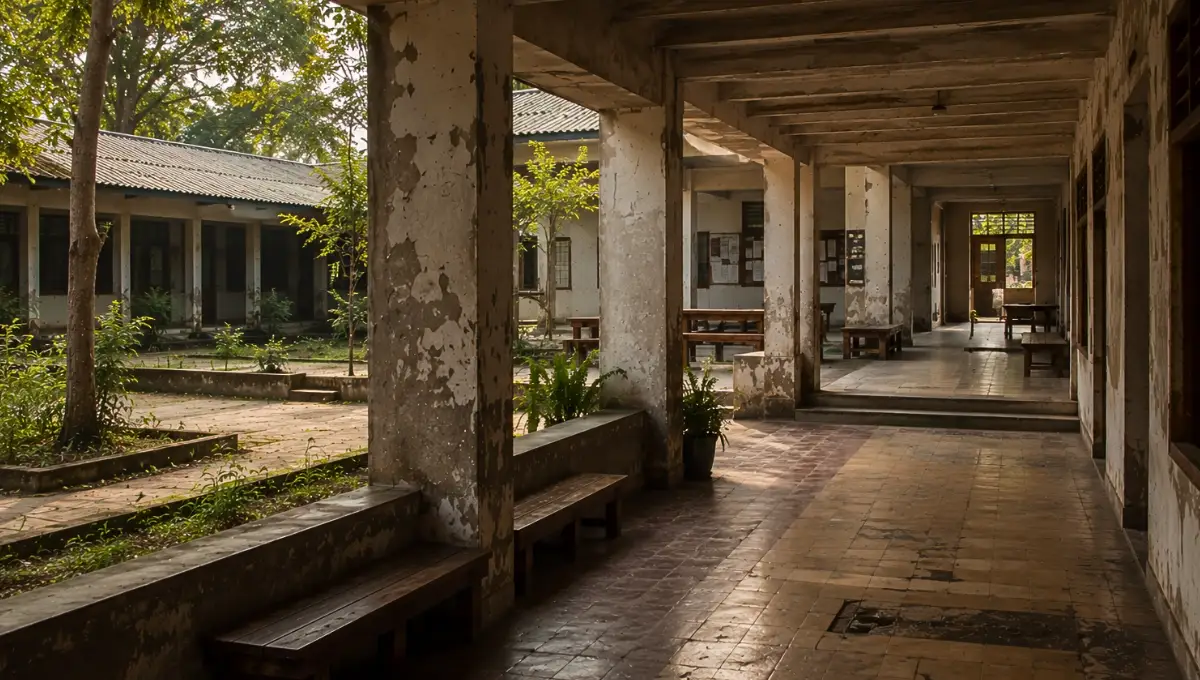
Why does progress continue more easily in some communities than others? This article explores how participation becomes socially reinforced through repetition, expectations, shared direction, and visible continuity across everyday life. It examines how communities quietly shape what people learn to recognise as possible, sustainable, and worth continuing across generations.
When People See Themselves in the Path
Learning does not continue through structure alone. It becomes easier to sustain when people can recognise themselves within the environments around them. This article explores how belonging, culture, shared expectations, and social reinforcement help learning remain connected to everyday life and participation over time.
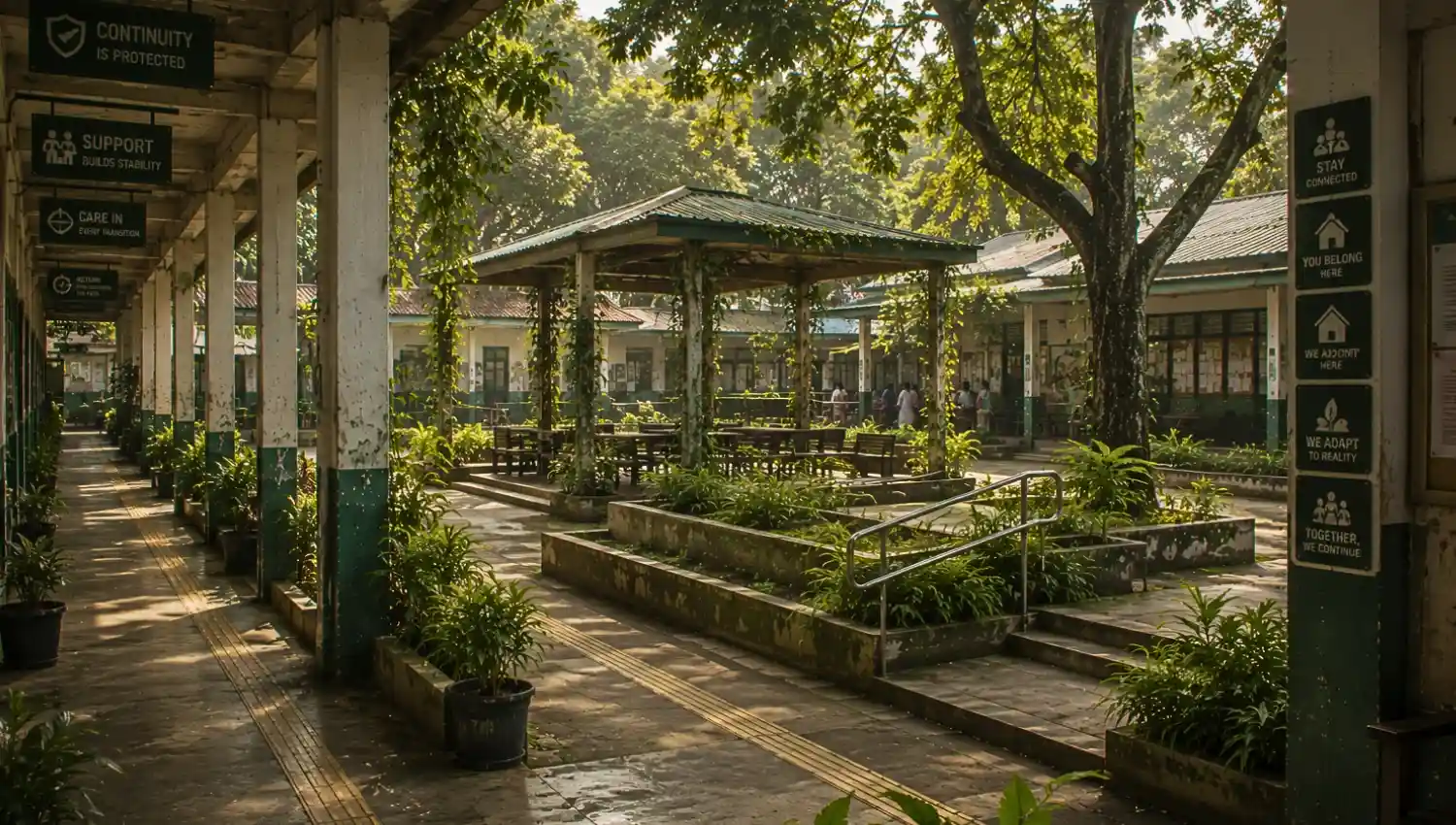
What Protects Progress from Breaking
What protects progress from breaking?
Progress is protected when support is connected to continuity, timed before interruption deepens, and designed around real conditions. This article explains why relief alone is not enough, and how protective structures help learning and participation continue under pressure.

The Ceiling You Don’t See
Communities shape progress not only through opportunity, but through expectation. This article explores how visible outcomes, repeated exposure, and socially sustained continuation influence what people come to believe is realistic to pursue over time.

When Progress Becomes Normal
Progress becomes sustainable when communities repeatedly reinforce learning, continuity, and participation across time. This article explores how repetition, expectations, visible direction, and social reinforcement shape whether progress remains fragile or becomes part of the environment itself.

The Direction People Follow
People often follow what they repeatedly see continue. This article explains how visible direction, sustained pathways, and socially reinforced movement help communities understand which forms of progress are stable, trustworthy, and possible to follow over time.
How Stability Shapes Attention, Trust, and Learning
Attention, trust, and consistency are shaped by the environment surrounding the learner. This article explores how stability influences focus, participation, and the ability for learning to deepen and continue over time.
Why Learning Begins with Stability
Stability is the foundation of effective learning. Before attention, trust, or participation can develop, learners respond to the conditions around them. In stable environments, attention settles, trust forms, and learning deepens over time. Without stability, even strong instruction struggles to take root.
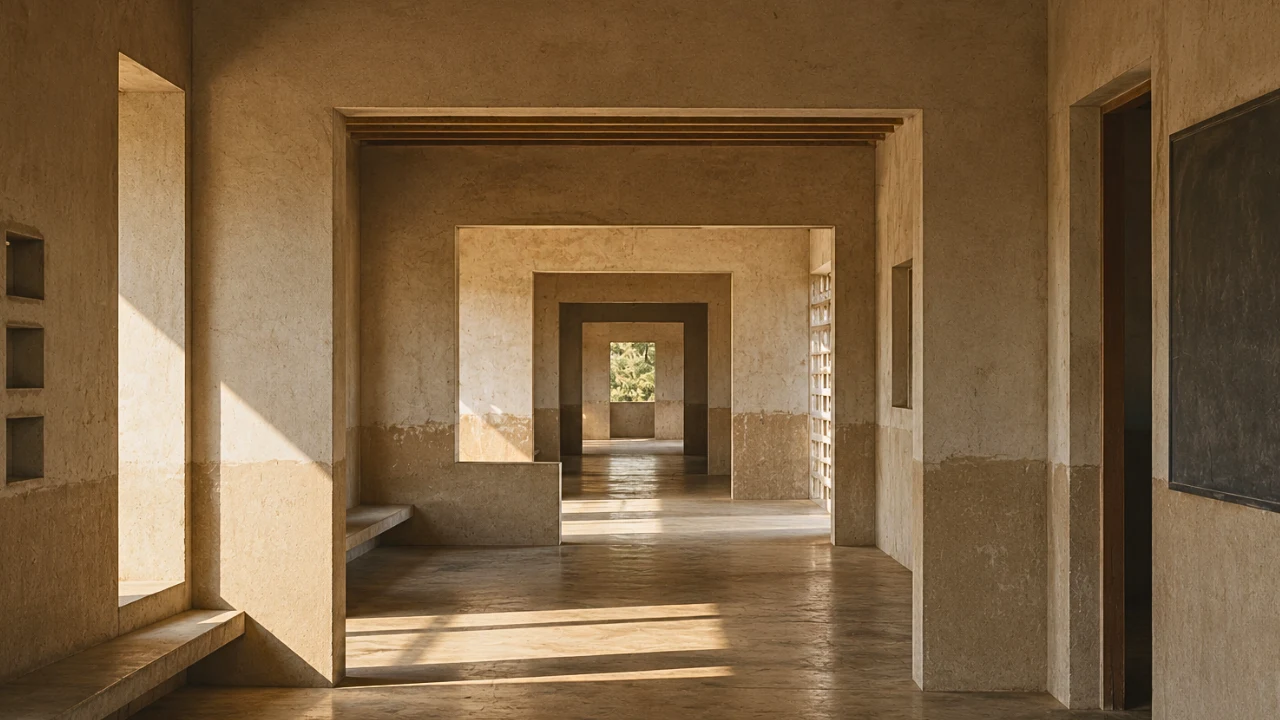
How Communities Shape the Course of Learning
Learning does not move through individuals alone. This article explores how families, routines, social expectations, and community structures shape whether learning can continue and deepen over time.

An Iron-Sheet Roof in the Afternoon Heat
By afternoon, the classroom had changed. The iron-sheet roof held the heat.The air grew heavy.Attention
Three Textbooks Across a Classroom
Several students gathered around three textbooks. One for each column. They took turns readingwhile others

School Does Not Always Set the Schedule
There were periods when attendance dropped. Not from disinterest,but from what was required elsewhere. Work

The Long Walk to School Begins Before Learning Does
Some children arrive at school already tired. Not from the lesson,but from the distance it
When My Two Worlds Met on a Dusty Road
The founder story of Baino Social Impact describes how Peter Kalyabe’s experience between Uganda and the Western world led to a mission focused on education, literacy, and systems that restore dignity. The organization was created to confront poverty and illiteracy by building structures that allow communities to thrive.

The Space Between Worlds
This essay explains how empowerment through education in Africa hinges on literacy, dignity and purposeful social systems. This worldview also shapes the mission of Baino Social Impact.

6 Things I Admire About People in the West
Part 2 of “Six Things I Admire About People in the West” explores two powerful Western virtues — generosity and lifelong learning. These values, expressed through structured philanthropy and a culture of curiosity, shape global progress and inspire our mission to fight poverty and illiteracy in rural Uganda.

6 Things I Admire About People in the West
This four-part reflection examines six collective habits that make progress durable, from systems and responsibility to dignity and discipline, and considers what societies building in fragile contexts can learn from them.
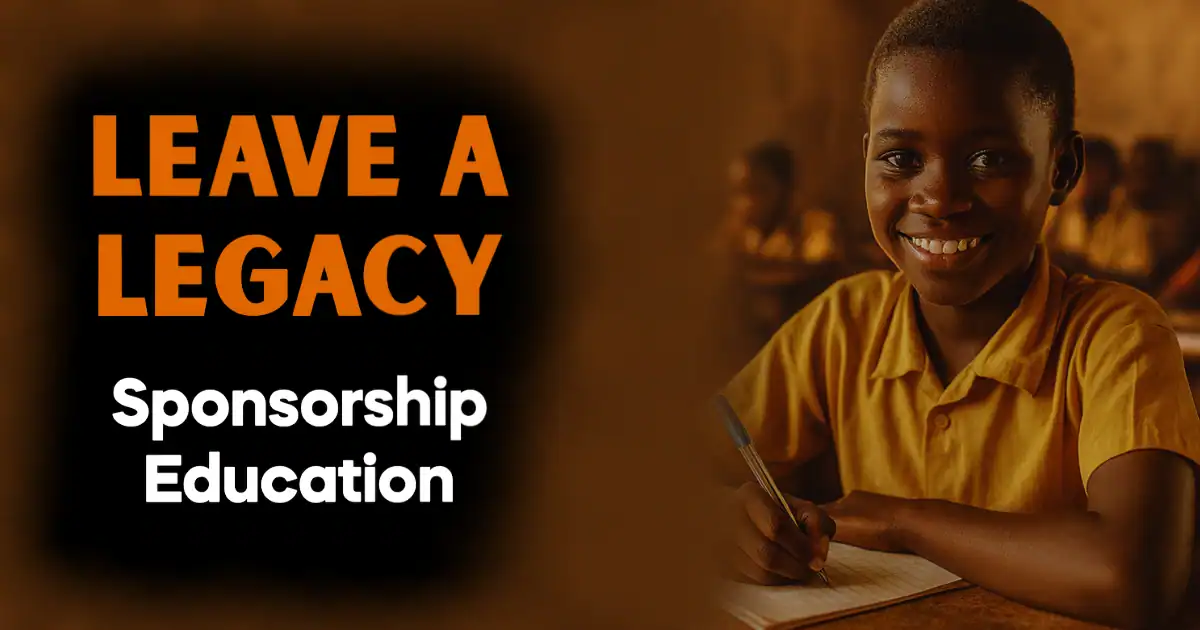
Leave a Legacy That Lives On
What is legacy giving, and how can it empower education in Uganda? Legacy giving is a simple, powerful way to make lasting impact by including nonprofits like Baino Social Impact in your will. Even modest gifts can build classrooms, fund scholarships, and fight poverty in rural Uganda.
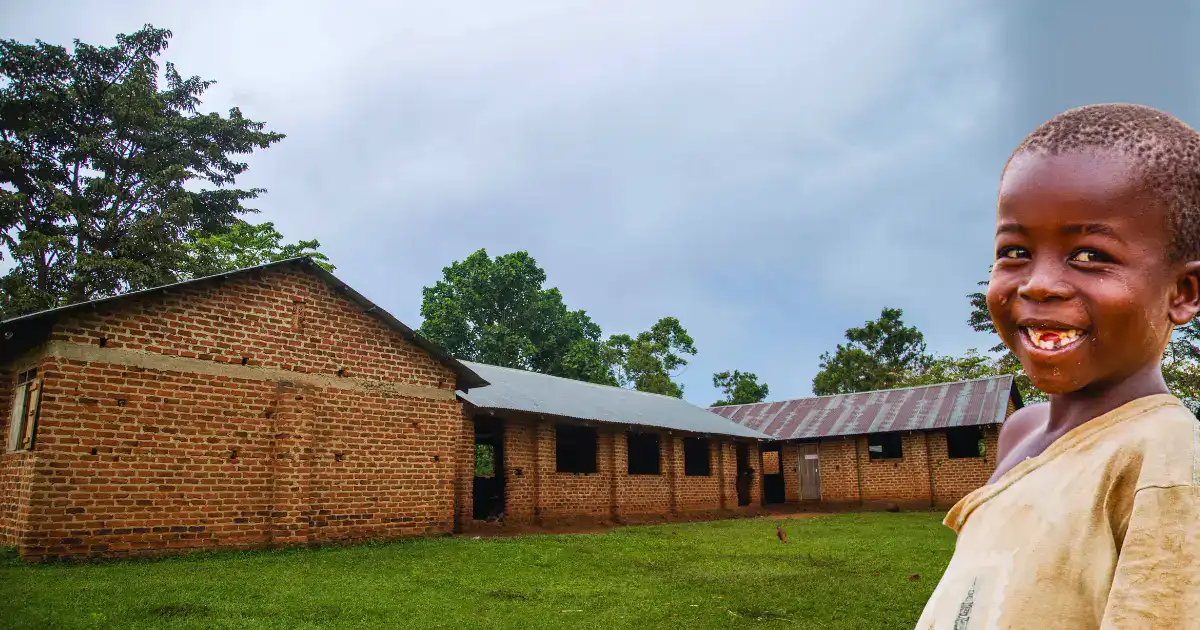
To Build Schools Is to Build Futures in Rural Uganda
Each brick carries more than weight—it carries hope and dignity I still remember the day
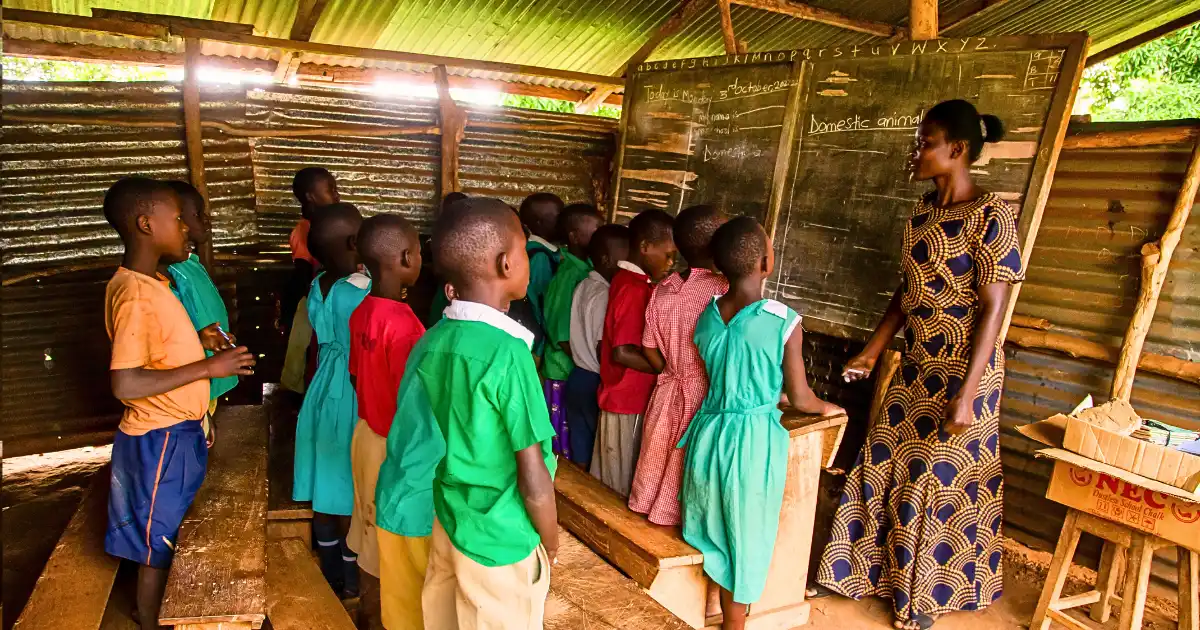
Why Empowerment Is Central to Our Mission — Even When It’s Hard
Empowerment is the heart of Baino Social Impact’s mission to end poverty in rural Uganda. We believe lasting change begins when communities gain the confidence, skills, and dignity to shape their own futures. Unlike short-term aid, empowerment is a long-term investment — it listens, teaches, and builds resilience. By nurturing this deeper process, we help transform poverty into possibility, one community at a time.
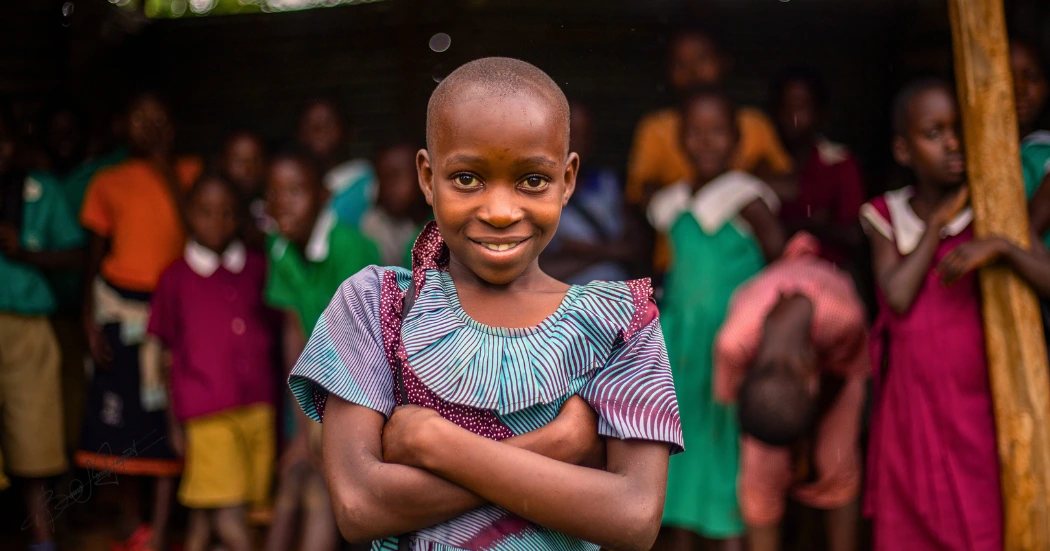
What It Means to Sponsor a Child in Rural Uganda
Sponsor a child in rural Uganda through Baino Social Impact and help transform poverty into possibility. Your support provides education, dignity, and the chance to dream again.
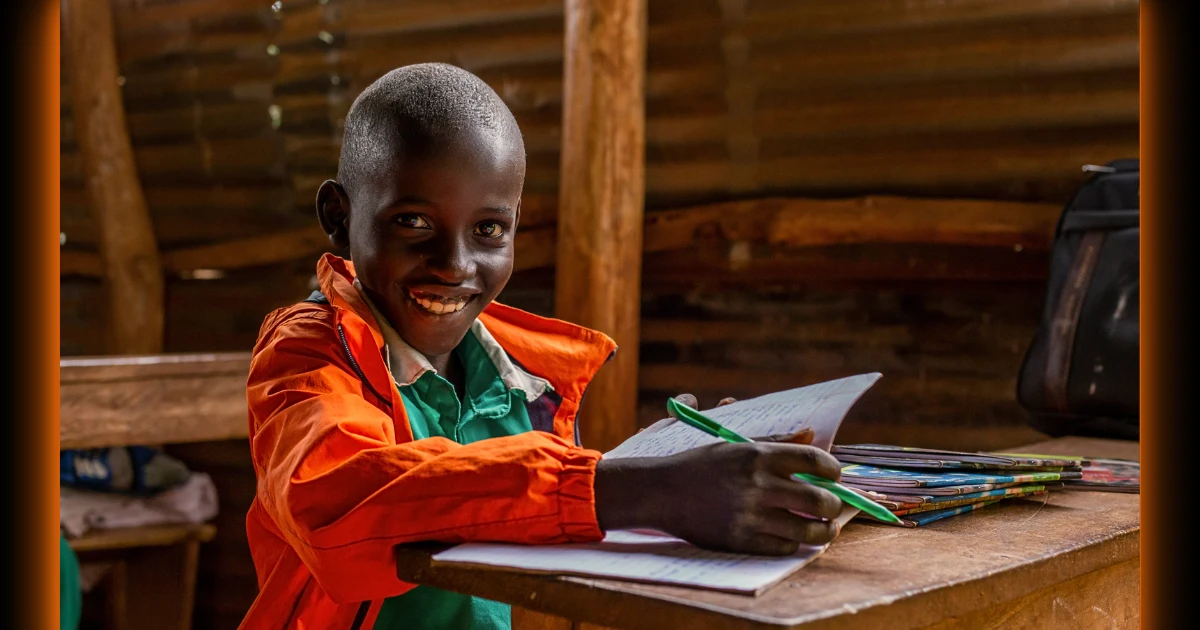
The Gift Beyond the Gift
Sponsor a rural girl’s education in Uganda through Baino Social Impact and help transform poverty into possibility. Every contribution opens the door to a brighter, self-reliant future.
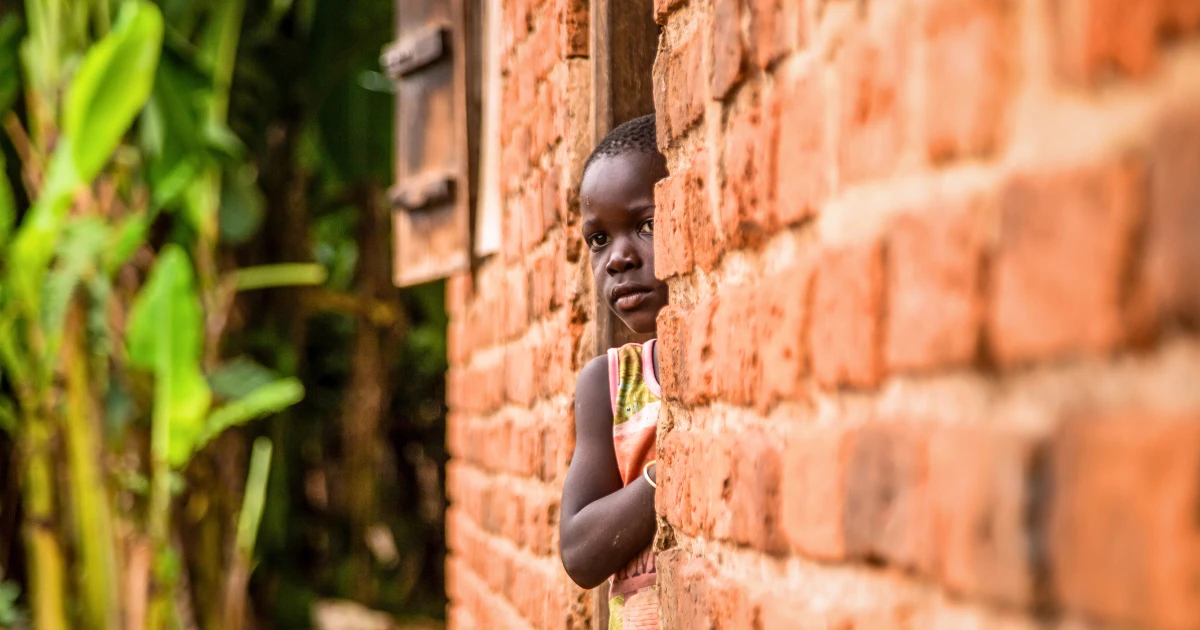
One Girl, Countless Obstacles, A Future Reclaimed
A Childhood Without Pages When you meet Sarah, the first thing you notice is her
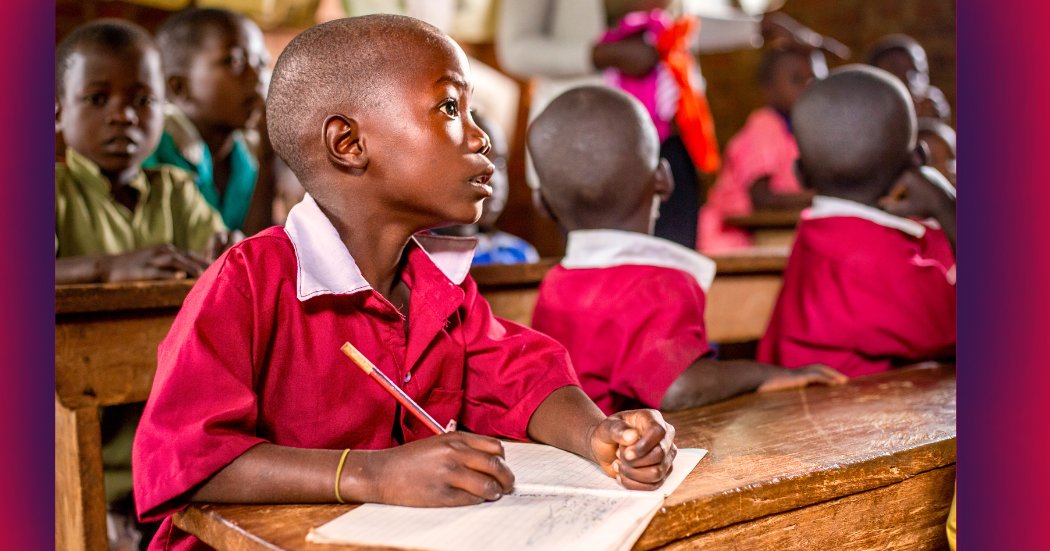
Education Is the Bridge: From Illiteracy to Empowerment
There’s a simple truth we’ve all witnessed at some point: when a child learns to
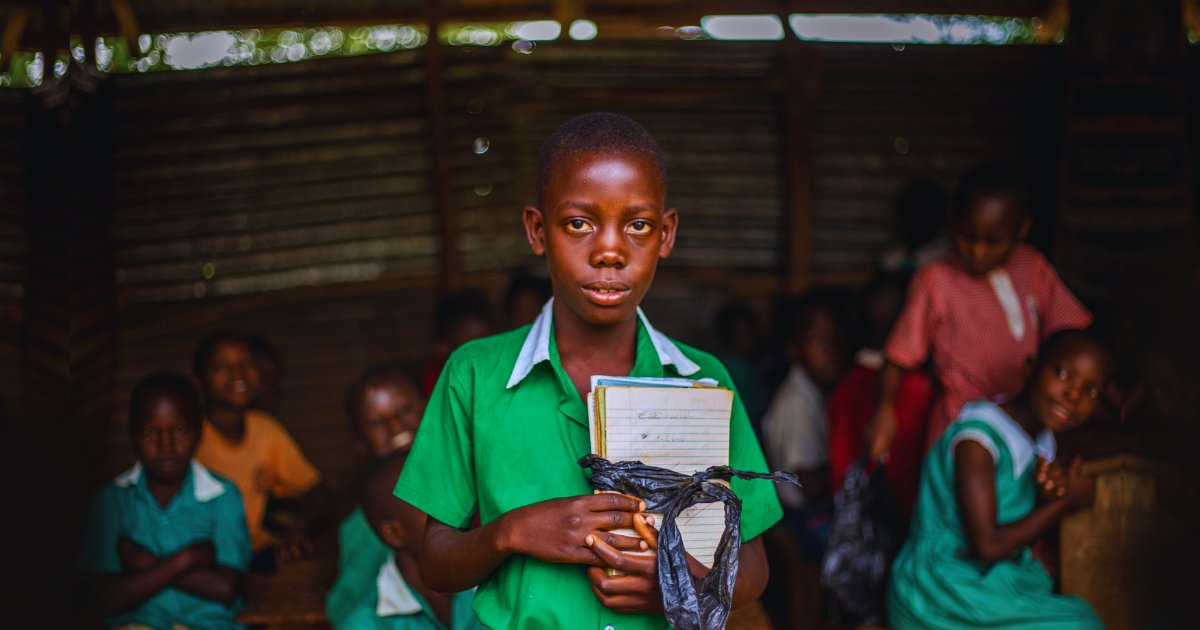
Why Poverty Is Not Destiny
Lessons from Our Early Challenges in Uganda The first time we officially set our work
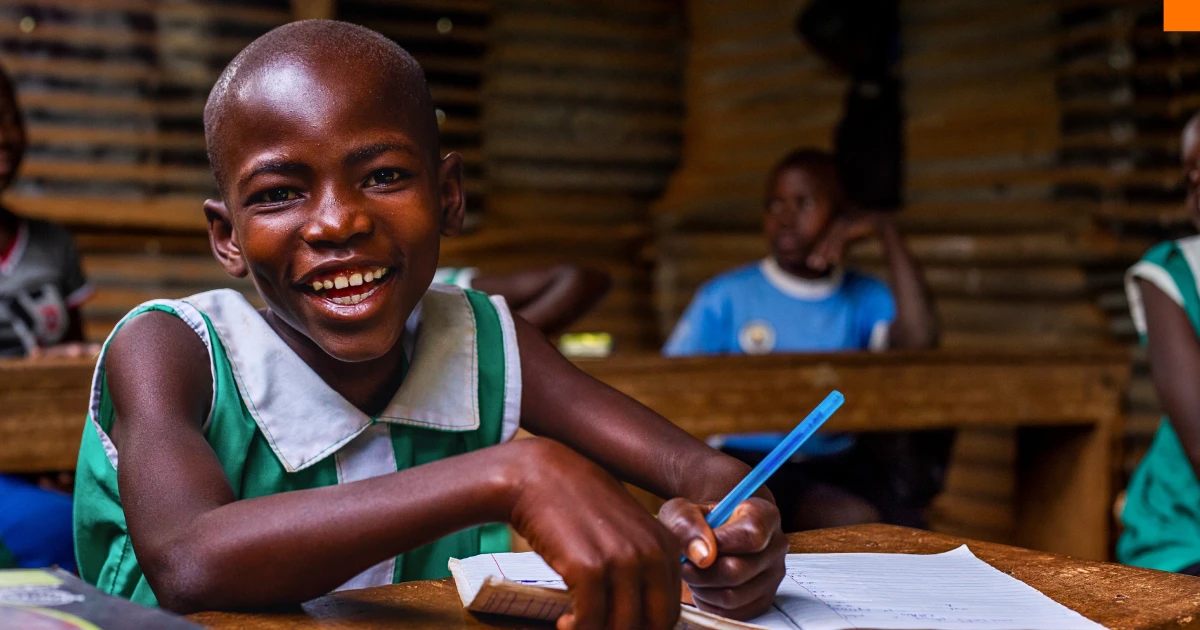
The Story Behind Baino Social Impact — Because Hope Demands Action
The Flame of Hope Hope is a small word, yet it carries entire worlds within
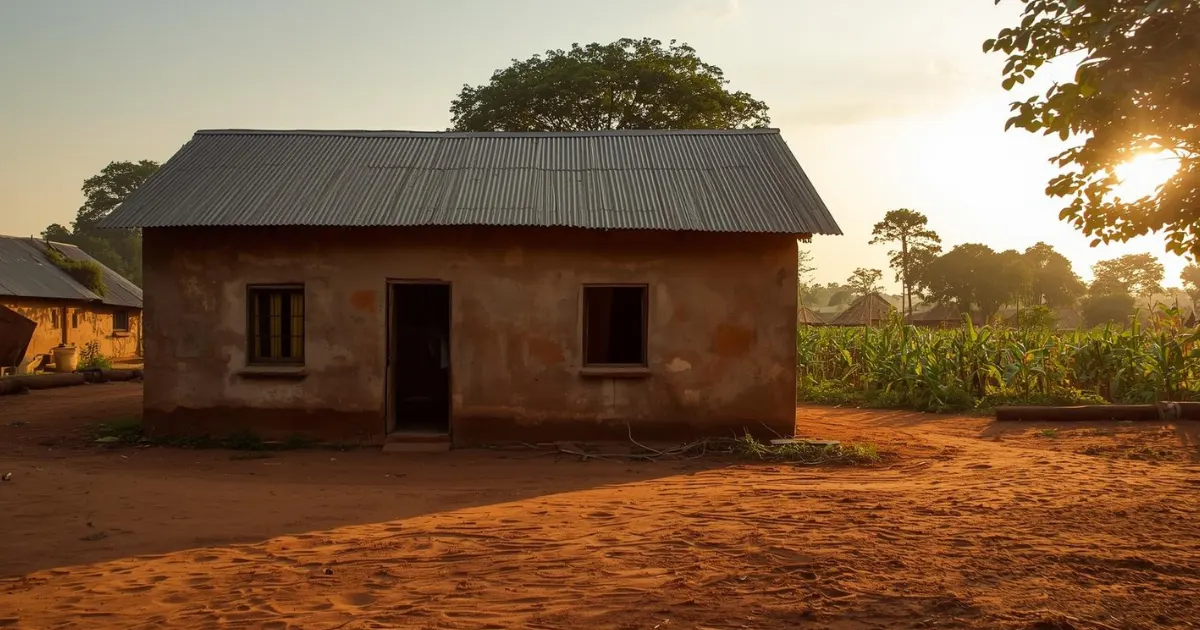
Household of Trust
Baino Social Impact Is A Household of Trust and Belonging At Baino Social Impact, we
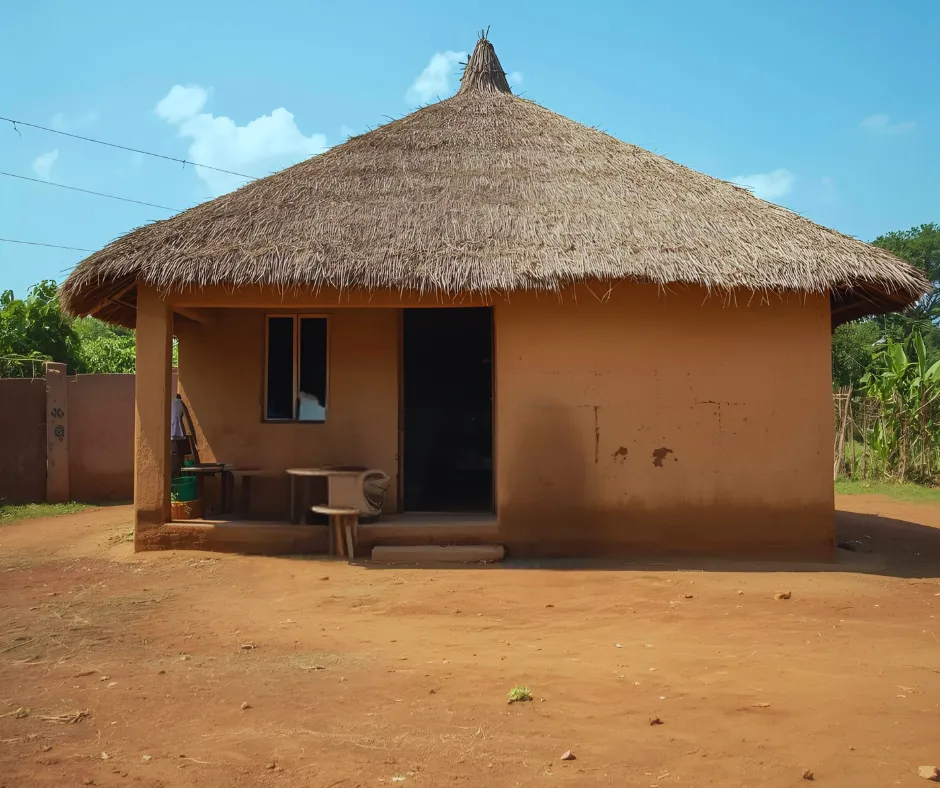
Amaka ag’obwesigwa
Baino Social Impact n’omugonzi era n’amaka gho ag’obwesigwa mwosibukira irala mubutufu. Amaka gano gewayireyo kikumi
Amaka ag’obwesigwa
Baino Social Impact n’omugonzi era n’amaka gho ag’obwesigwa mwosibukira irala mubutufu. Amaka gano gewayireyo kikumi
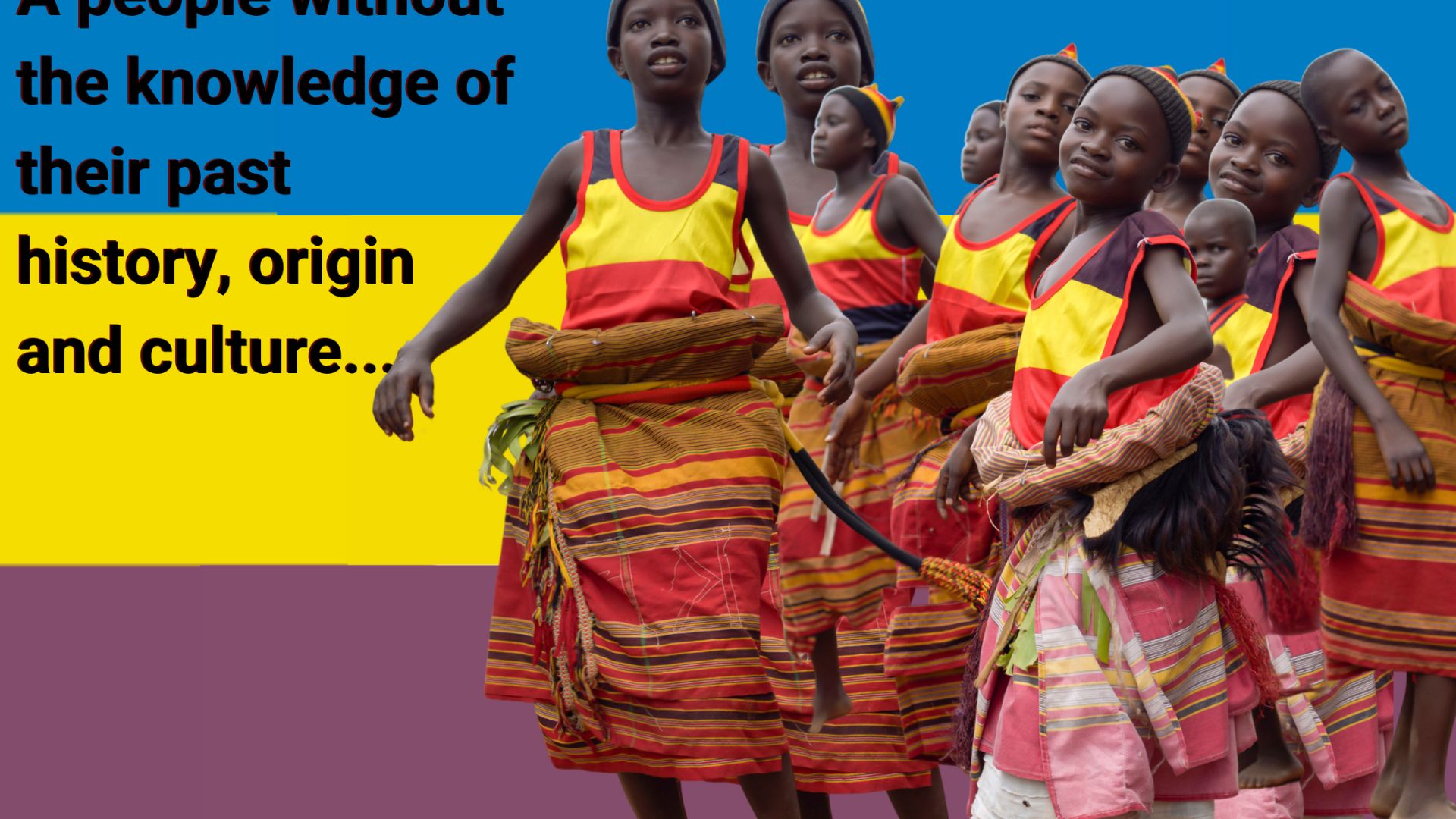
Culture Matters – The Lifeblood of Identity, Community, and Progress
Culture is far more than art, music, or tradition. It is the soul of every
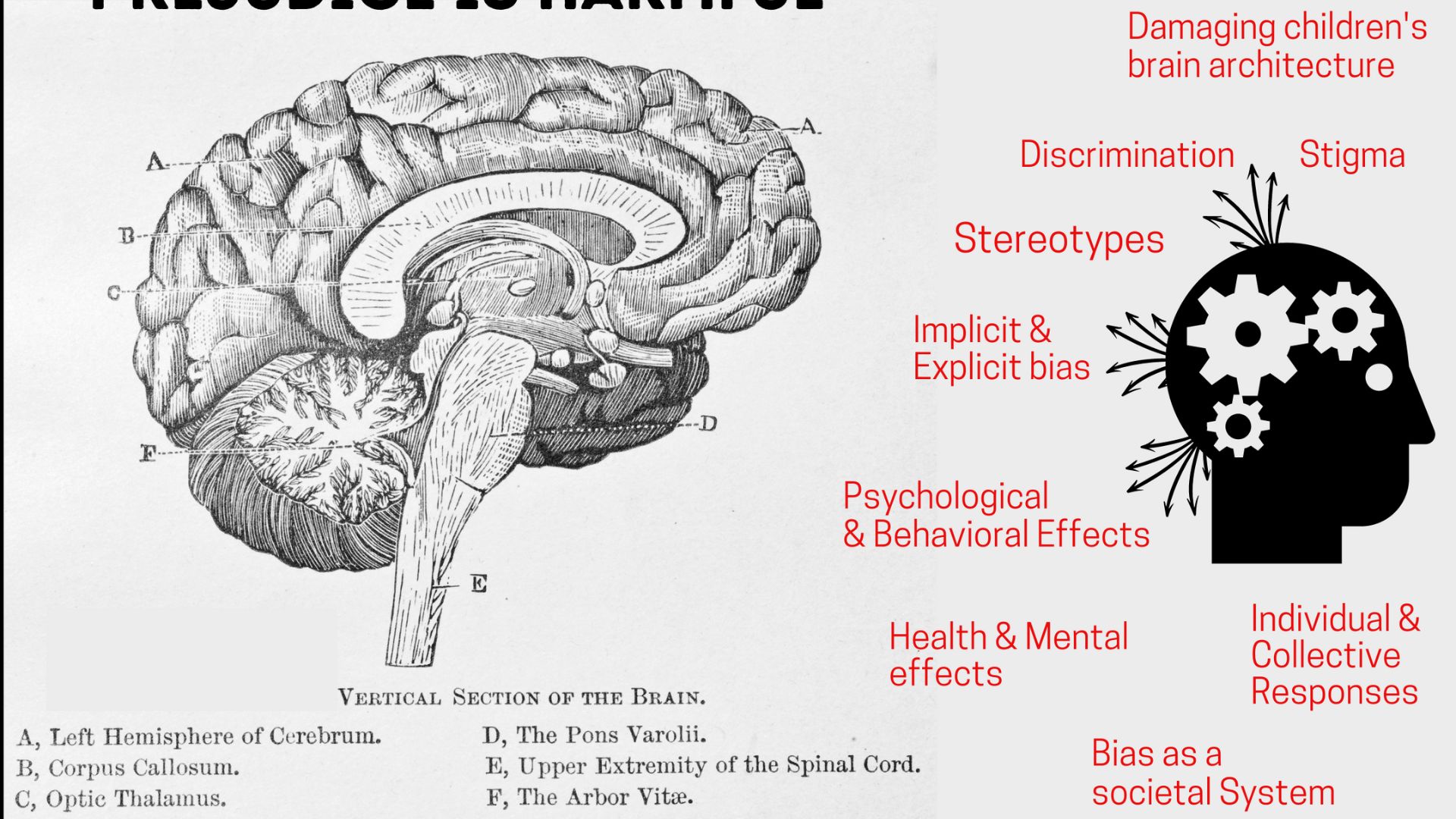
Prejudice Hurts Our Children—and Their Future
Prejudice is more than an unfair opinion; it is a pre-judgment rooted in ignorance and
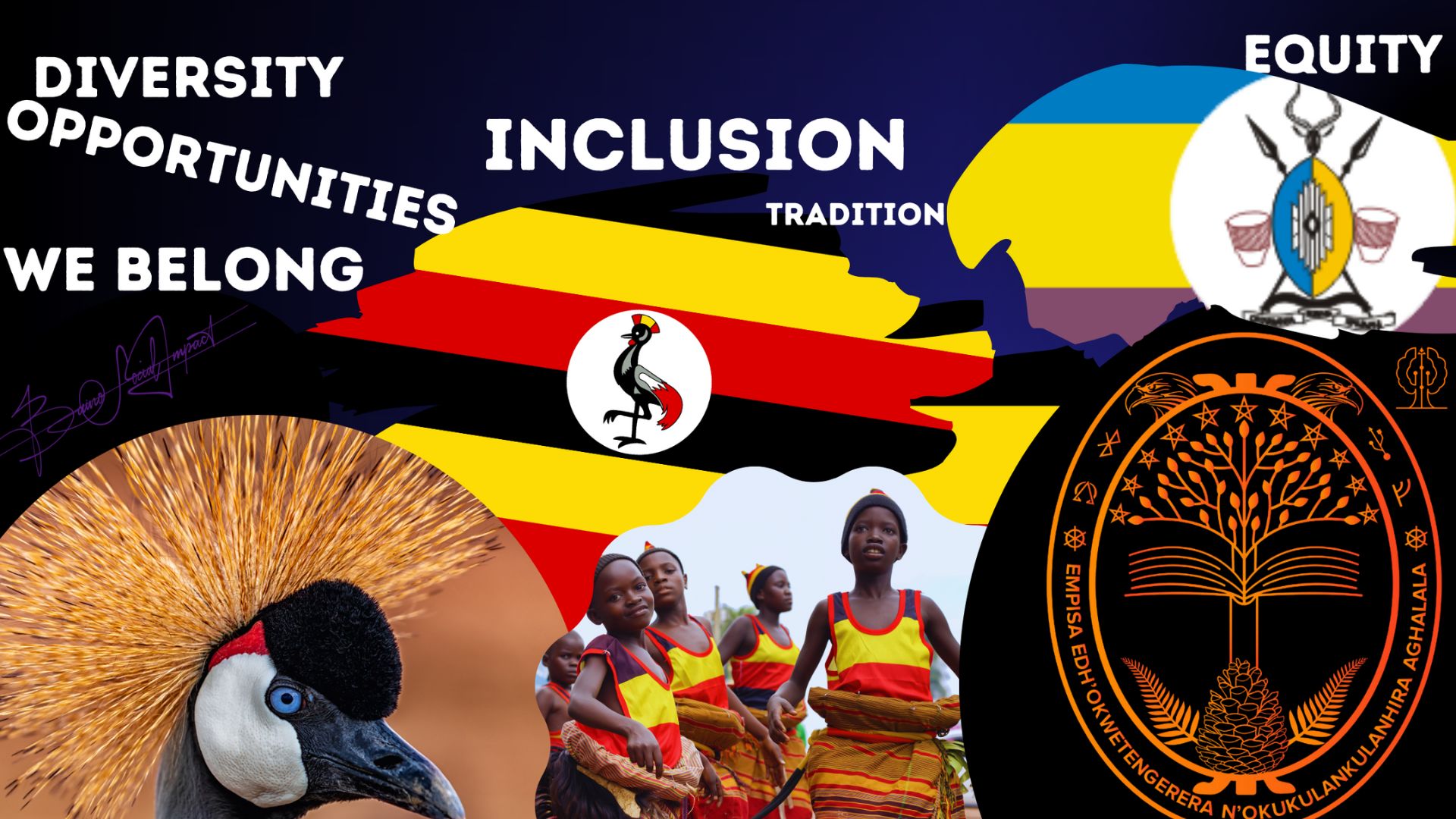
A Deep Sense of Belonging Unites and Uplifts Communities
Sense of Belonging Belonging is more than just being accepted; it is the profound assurance

Thank You for Changing Lives—Your Impact Matters
Thank You Hello, dear friends and supporters. My name is Kalyabe Peter, and I have
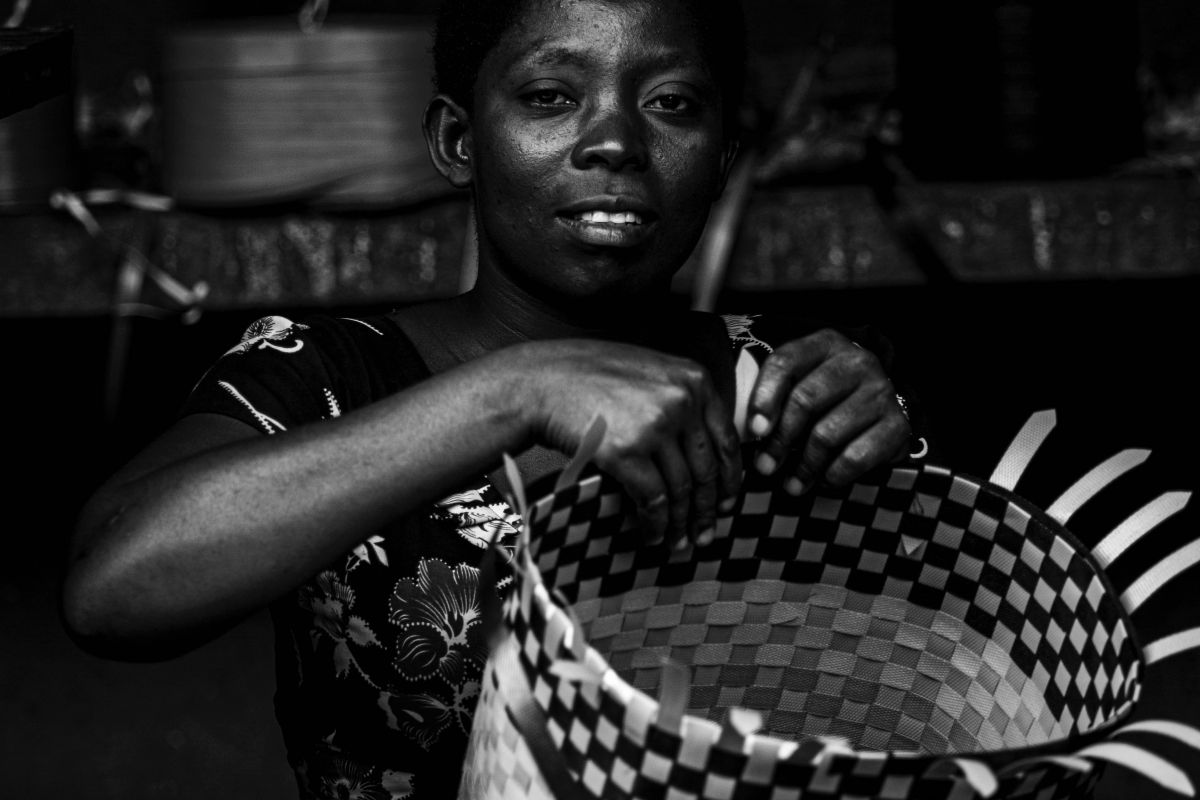
Empowering Women it to Unlock a Future of Equality, Dignity, and Progress
The fifth Sustainable Development Goal (SDG 5) calls upon the world to “Achieve gender equality
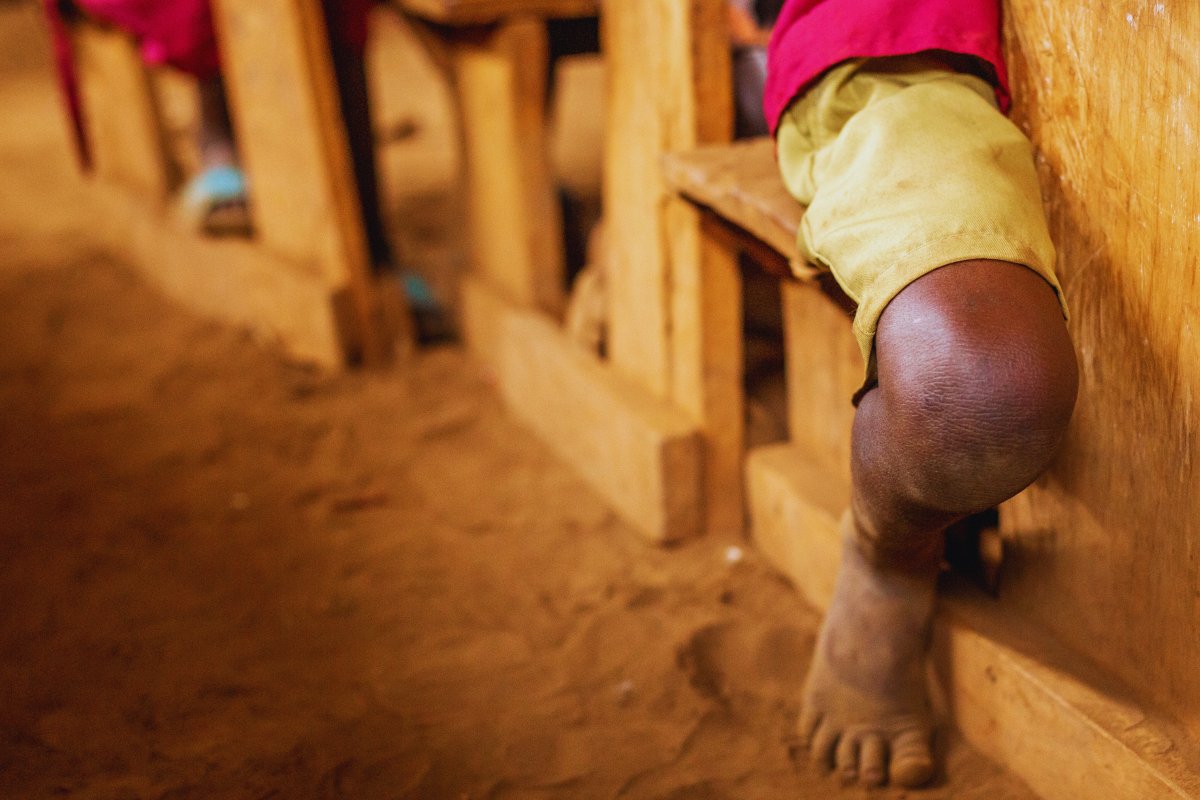
Education as a Pathway to Lasting Change
Education is more than a classroom experience – it is the engine of human progress,
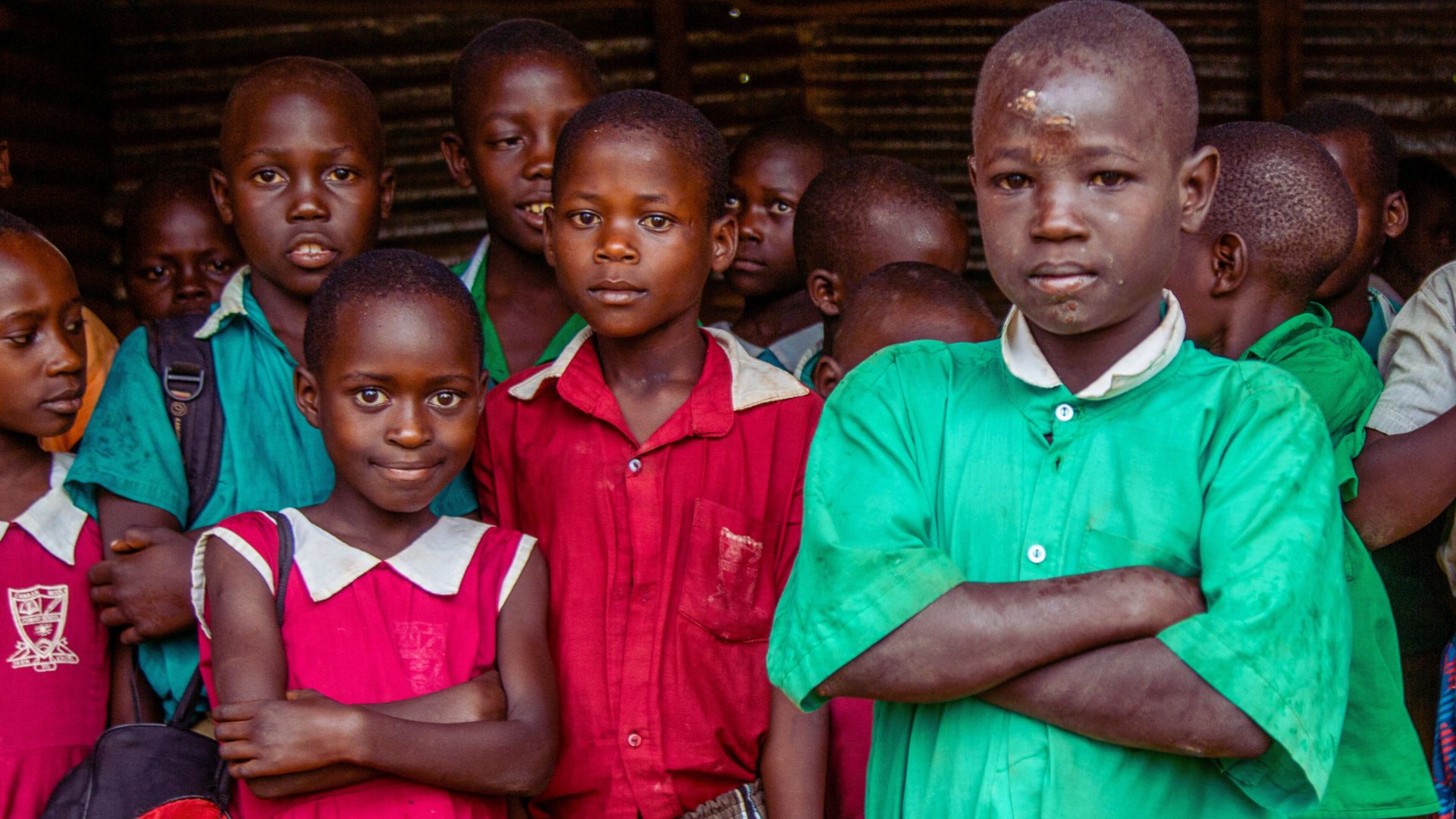
The Power of Collective Action for Lasting Change
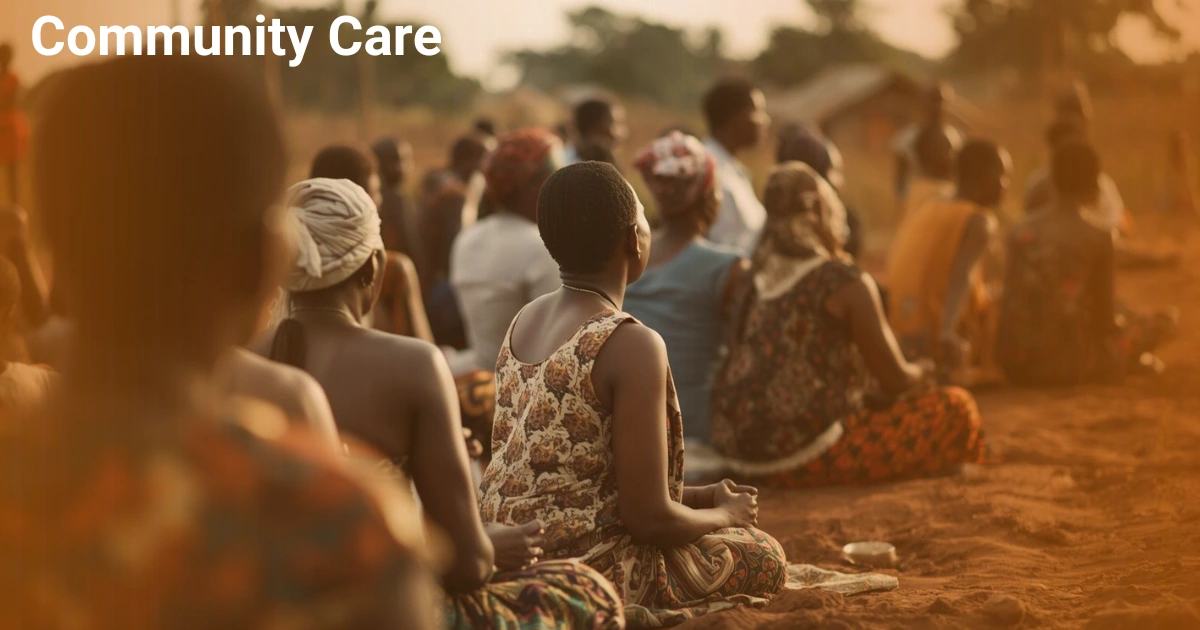
Community Care Community care is about collective action – the activities, practices, and shared responsibilities
Ebalugha eri omugonzi
Mbalamwisa mwena mwena mulinha ly’obughangwa bwaife. Ndi kughandiika embalugha eno okutuusa okusiima kwange olw’obuyambi bwaimwe
Beyond Self-Care
Building Empowered Communities Empowerment and accomplishment in the most underserved communities in Uganda, like Busoga
We Care
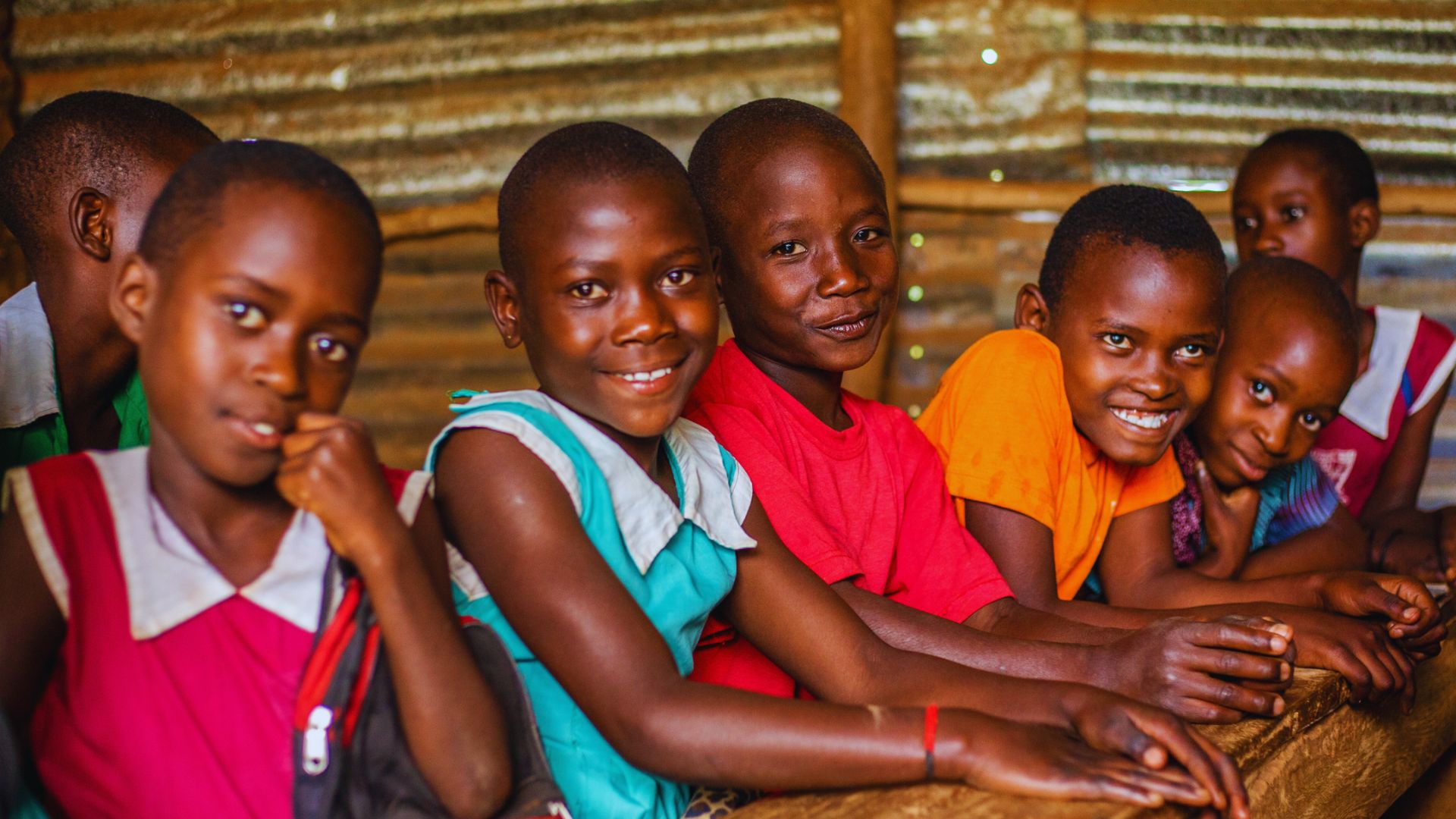
We CareTransforming the Poorest Region in Uganda with Love, Education, and Action While Africa is