
How communities turn isolated effort into lasting continuity
Part of a series on how learning begins, develops, and continues within real communities.
Progress often begins with individuals.
A person decides to learn, improve, or move in a different direction.
But individual effort alone does not determine whether progress endures.
Over time, communities develop patterns that quietly shape what continues, what becomes expected, and what people come to see as normal. Through repetition, reinforcement, and visible continuity, certain forms of movement begin to settle into everyday life.
Where progress is sustained through these patterns, it no longer depends entirely on isolated effort. It becomes part of the social environment itself, carried forward through what communities repeatedly reinforce across time.
What is repeated becomes normal
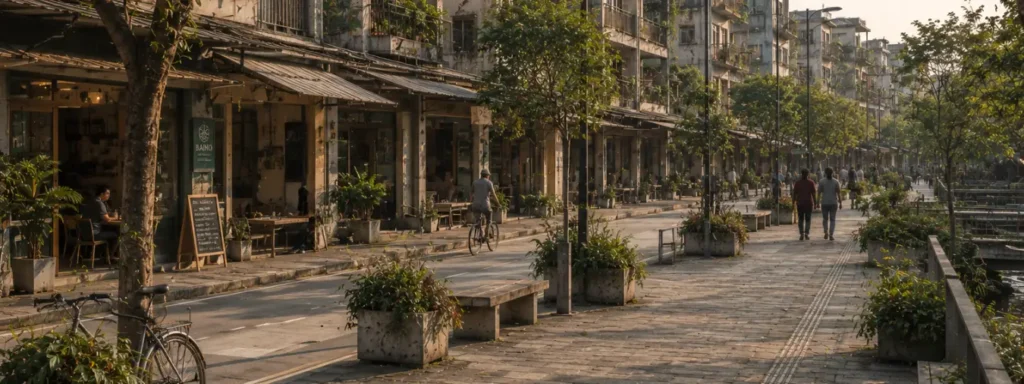
In every community, patterns form over time.
How people spend their time.
What they return to.
What is reinforced, and what gradually disappears.
These patterns are not always planned.
But they are repeated.
And through repetition, they begin to define what feels normal, expected, and socially familiar.
Where learning is repeatedly visible, it begins to settle into the rhythm of ordinary life.
Where it is absent, continuation weakens over time.
Not because progress is impossible,
but because it is no longer reinforced by what continues around it.
Expectations define how far progress extends
Communities do not only influence behaviour.
They shape the boundaries within which behaviour becomes sustainable.
What is seen as worth pursuing.
What feels realistic.
How far movement can continue before it begins to feel socially unfamiliar.
These expectations are rarely announced directly.
But they accumulate through repeated signals over time.
And gradually, they begin to shape how far progress is allowed to extend before narrowing back toward what already feels known.
Where broader expectations are sustained, movement continues with less resistance.
Where expectations remain limited, progress gradually contracts around what the environment already recognises.
Not as a sudden interruption,
but as a slow social settling.
Direction is observed before it is chosen
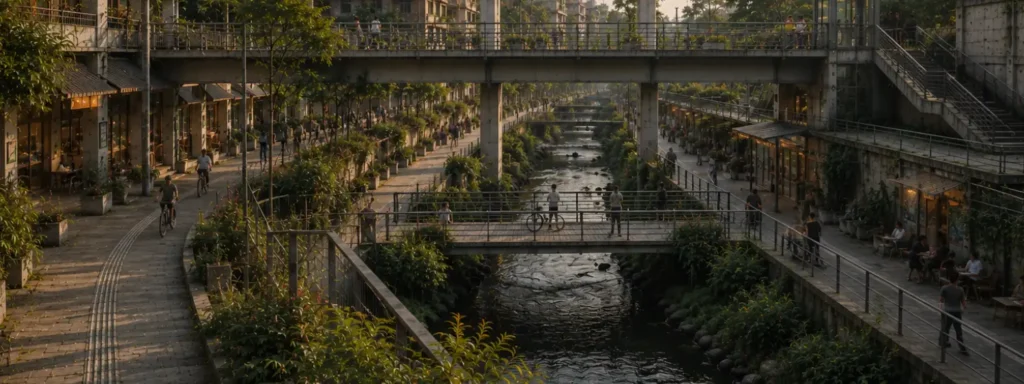
Every community carries a quiet sense of direction.
What people tend to become.
What paths appear to continue.
What futures seem socially visible and sustained.
This direction is rarely explained directly.
But it is observed continuously through the environment itself.
Over time, people begin aligning with what appears capable of continuing beyond isolated effort.
Even when new possibilities exist, movement becomes difficult to sustain if those possibilities appear temporary, fragmented, or unsupported by the wider environment.
Because progress is not sustained through possibility alone.
It depends on whether the path ahead appears socially reinforced enough to hold across time.
Reinforcement allows effort to continue
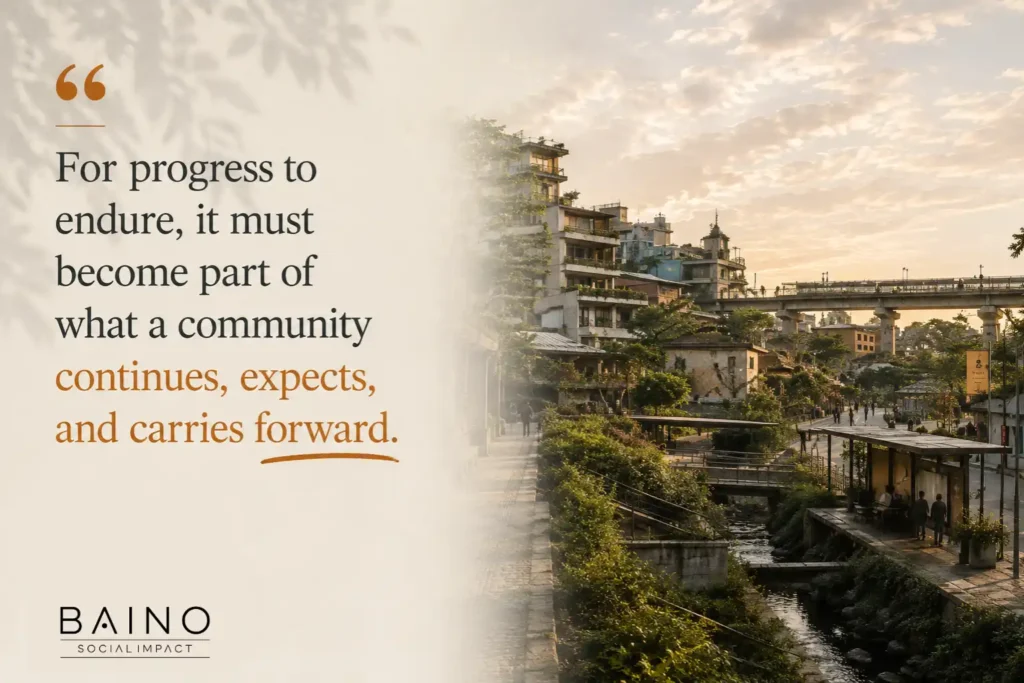
For progress to endure, effort must be reinforced.
Not only at the beginning,
but across time.
Reinforcement does not always appear as instruction.
Often, it appears through continuity itself.
As signals that effort is recognised.
As patterns that remain visible.
As environments where movement is not constantly interrupted or forced to begin again.
Without reinforcement, effort becomes fragile.
Each individual must carry continuity alone.
Each interruption increases the likelihood that movement will narrow, slow, or disappear altogether.
But where reinforcement becomes part of the social environment, effort gradually settles into continuity.
It no longer depends entirely on constant renewal, because the conditions surrounding it begin helping movement continue across time.
When the current resists
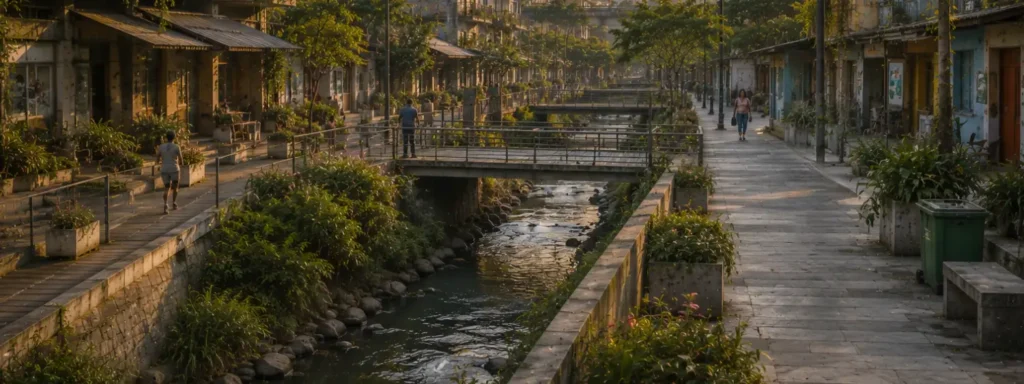
Communities carry direction.
Sometimes that direction reinforces learning, continuity, and participation.
Sometimes it reinforces limitation instead.
Where learning is not repeated,
where expectations remain narrow,
where effort receives little reinforcement,
movement does not simply slow.
It begins encountering structural resistance.
Individuals may still move forward.
But they do so against patterns that do not support continuation.
And over time, this becomes difficult to sustain.
Not because progress is impossible,
but because the wider environment repeatedly pulls movement back toward what already exists.
When progress becomes continuous
When repetition, expectation, direction, and reinforcement begin aligning over time, progress changes.
It is no longer carried primarily through isolated individuals.
It becomes continuous.
Something socially recognisable.
Something others can follow without rebuilding it from the beginning each time.
The path forward becomes more visible because continuity itself has become part of the environment.
This is how learning becomes durable.
Not because it is protected once,
but because it continues through systems, expectations, and patterns that reinforce movement across generations.
What this means
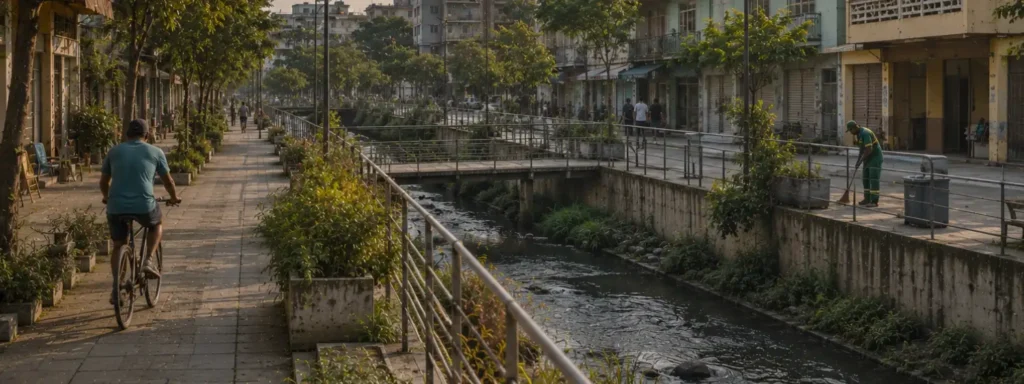
If progress is to endure,
it cannot depend entirely on exceptional effort.
It must exist within what continues.
Within patterns that do not repeatedly collapse.
Within expectations that continue widening rather than narrowing.
Within environments where direction remains socially visible across time.
Because when progress becomes part of what a community consistently reinforces, continuity no longer depends on constant recovery.
It begins sustaining itself through what the environment repeatedly carries forward.
Conclusion
Progress often begins through individual effort.
But over time, its survival depends on continuity.
On what communities repeatedly reinforce.
On what remains visible.
On what becomes socially expected and environmentally sustained across time.
When these conditions hold, progress becomes less fragile.
It no longer depends entirely on isolated people carrying movement alone.
It becomes part of how a society continues itself.
But continuity does not sustain itself automatically.
What communities repeatedly normalise, reinforce, and make visible gradually shapes how far movement can continue before resistance begins to return.
And because of this, progress is influenced not only by what opportunities exist, but by what people come to see as realistic, repeatable, and capable of continuing beyond isolated effort.
This is where the deeper structures beneath continuity begin to matter.
Because over time, what communities repeatedly make visible begins shaping what people believe is possible.
Every article is one part of a larger system.
Follow the connections between principles, practice, observation, and community life to explore how lasting progress is built.
6 Things I Admire About People in the West
Explore observations about the habits, expectations, and forms of continuity that allow progress to become socially sustained across generations.
When Progress Is Interrupted
Explore why continuity determines whether learning can continue into participation when life places progress under pressure.
The Ceiling You Don’t See
Explore how expectations influence participation, possibility, and the boundaries people gradually absorb from their environment.
The Long Walk to School Begins Before Learning Does
An observation of how repeated conditions and everyday realities begin shaping learning before it officially starts.
Read Field Note →It is designed. This system helps us build it with intention, clarity, and continuity.
Four Directions.
One Purpose.
These four directions help you explore the framework from every angle: returning to the foundation, connecting related ideas, continuing forward, and seeing how it all comes to life in the real world.