Why entry alone does not guarantee continuity, movement, or participation over time
Part of a series on how learning begins, develops, and continues within real communities.
Access is often where progress becomes visible.
A place is built.
A door is opened.
An opportunity becomes available.
And rightly so, this matters.
Because without access, learning cannot begin.
But beginning is not the same as continuing.
And over time, this distinction becomes difficult to ignore.
Access creates entry, not continuation

When access is established, something meaningful happens.
People are able to step into learning.
They are able to participate,
at least at the point of entry.
But what follows is not always clear.
How to continue.
Where to go next.
How one stage connects to another.
These questions often remain unresolved.
And when they do, learning can begin to slow.
Not because effort is absent,
but because movement lacks structure.
The learner has entered,
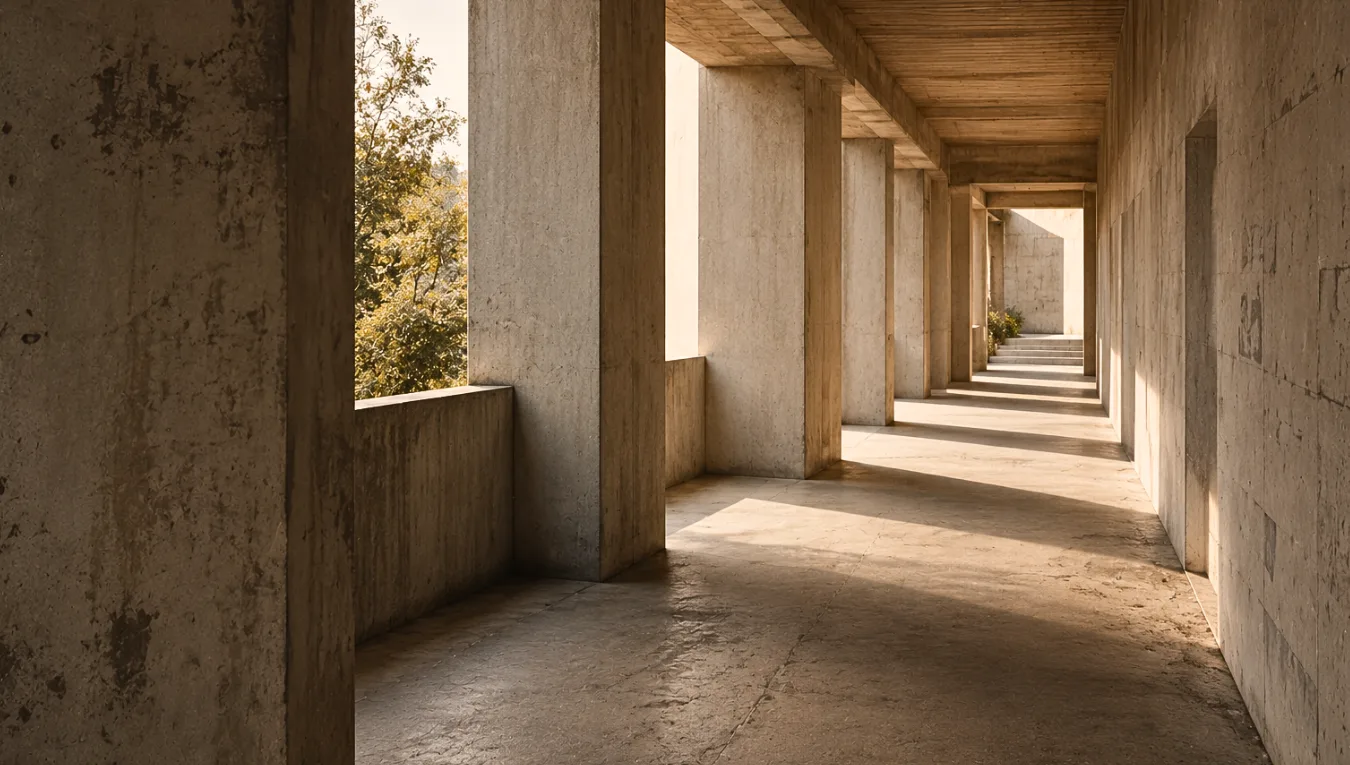
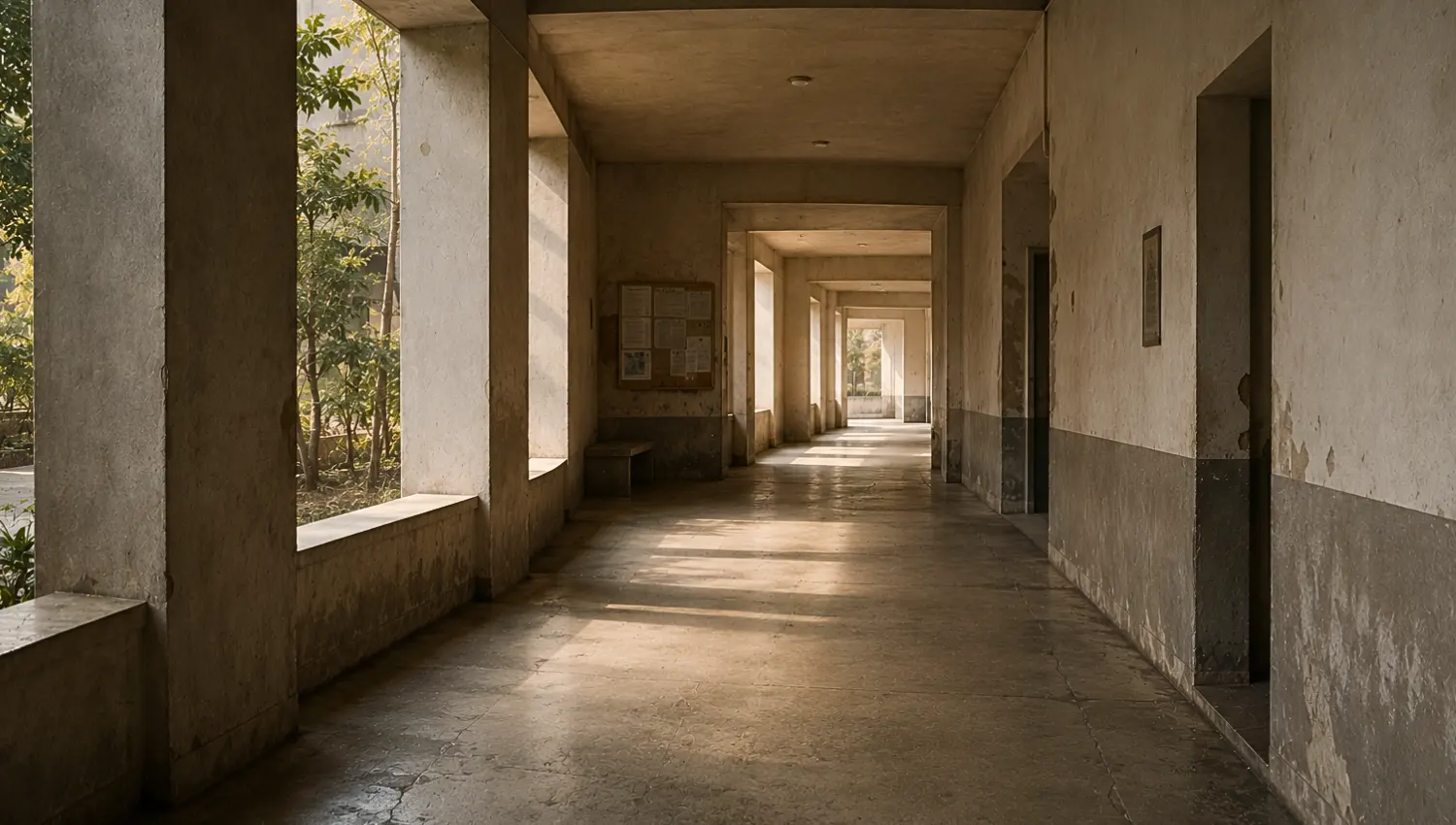
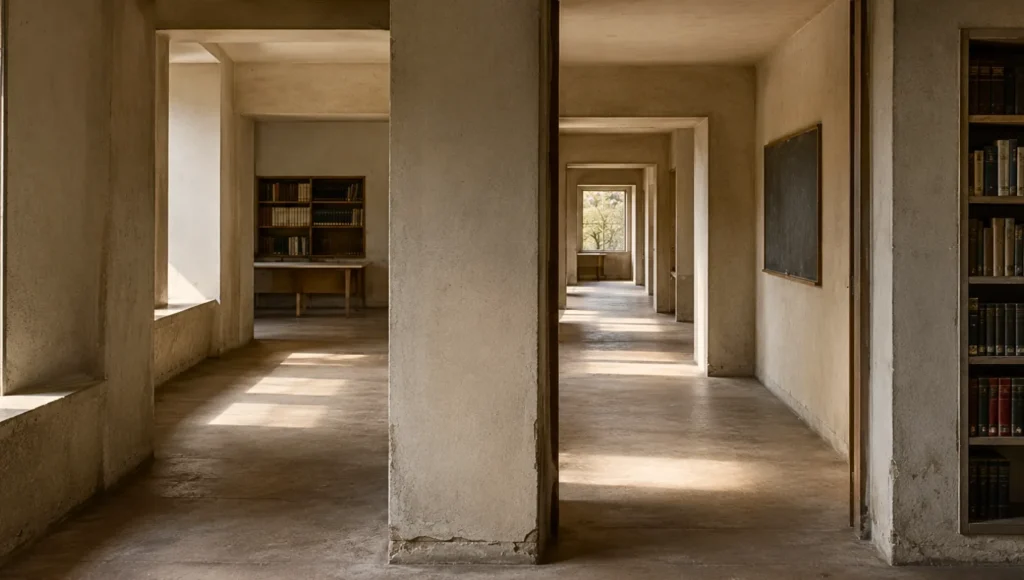
but the corridors beyond entry remain uncertain.
The quiet experience of false completion
There is a moment that is easy to miss.
When access has been achieved, it can appear as though the problem has been solved.
A barrier has been removed.
An opportunity has been created.
And in many ways, this is true.
But for the learner, a different experience may begin to unfold.
They have entered,
but cannot clearly see how to continue.
They have started,
but cannot identify the next transition.
They have learned,
but do not know how learning connects to participation beyond instruction itself.
This is not failure.
It is a structural gap.
A gap between entry and continuation.
And over time, that gap can become discouraging.
Because what once felt like progress begins to feel directionless.
Pathways turn entry into movement
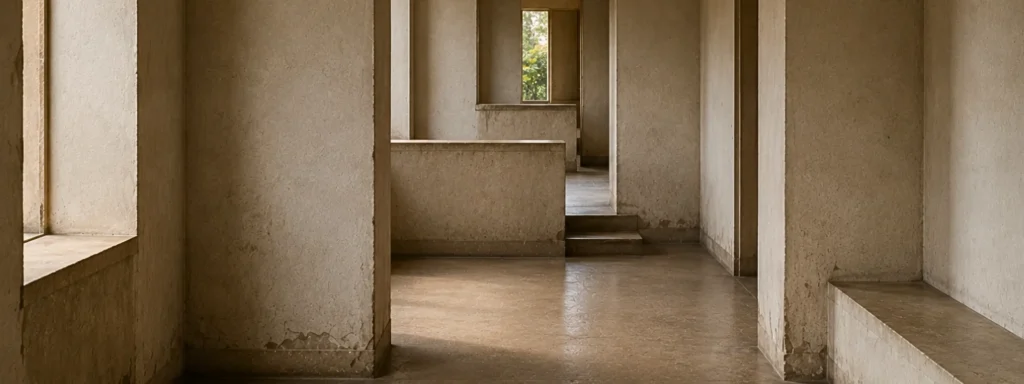
What bridges this gap is not more access alone.
It is continuity.
Structures that connect stages.
Pathways that allow movement to continue beyond the point where learning begins.
A pathway does not guarantee outcomes.
But it does provide direction.
It helps learners understand:
where they are,
what comes next,
and how effort can continue beyond the present stage.
This changes how learning is experienced.
It no longer feels isolated from the future.
It becomes something that can move forward through connected stages.
Without pathways, effort becomes fragmented
In the absence of pathways, individuals are often left to navigate transitions alone.
Some will eventually find direction.
But many will struggle,
not because they lack ability,
but because the system does not consistently carry them forward.
Each transition must be interpreted independently.
Each next step becomes uncertain.
Each effort risks becoming disconnected from what follows.
Over time, this fragmentation has a quiet effect.
Engagement weakens.
Momentum fades.
Learning remains incomplete.
Not in information,
but in continuity and application.
Rethinking what progress means
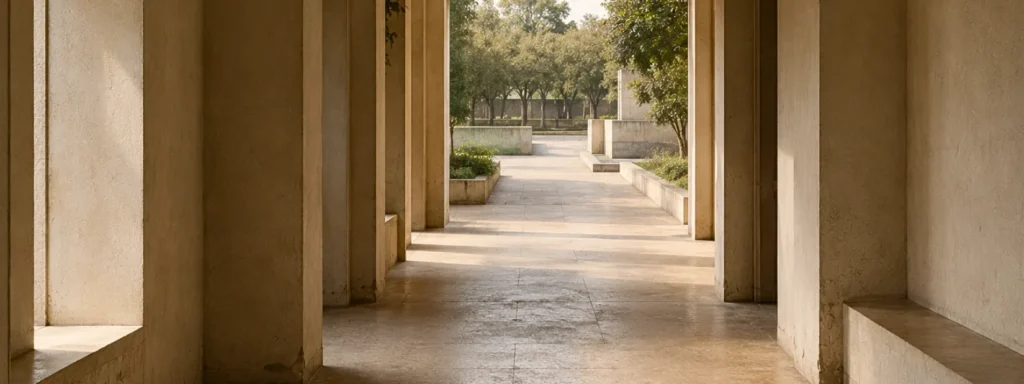
If access is treated as the endpoint, progress may appear complete too early.
But if access is understood as the beginning of movement, a different picture emerges.
The question shifts.
Not only:
Have people entered?
But also:
Can they continue?
Can learning move across stages?
Can preparation connect to participation?
Can effort extend beyond entry into meaningful continuity over time?
This is where the deeper work begins.
Conclusion
Access matters.
But entry alone cannot sustain movement.
What determines whether learning continues is the presence of structures that connect stages, reduce fragmentation, and allow participation to become possible over time.
Without these forms of continuity, effort can remain isolated from what follows.
This raises a deeper question:
What actually makes a pathway usable in practice?
What allows movement through learning to remain clear, connected, and sustainable across stages of life?
→ Continue reading: What Makes a Pathway Real and Usable
Every article is one part of a larger system.
Follow the connections between principles, practice, observation, and community life to explore how lasting progress is built.
When My Two Worlds Met on a Dusty Road
Explore the personal story that helped shape Baino’s understanding of transition, opportunity, participation, and movement between different realities.
The Pathways That Carry Learning Into Participation
Explore the structures that connect learning to movement, continuity, and participation over time.
What Makes a Pathway Real and Usable
Explore the conditions that allow learning to move through connected stages and remain usable in practice.
Three Textbooks Across a Classroom
An observation of how access can exist while deeper challenges of continuity, participation, and progression remain unresolved.
Read Field Note →It is designed. This system helps us build it with intention, clarity, and continuity.
Four Directions.
One Purpose.
These four directions help you explore the framework from every angle: returning to the foundation, connecting related ideas, continuing forward, and seeing how it all comes to life in the real world.