In rural Uganda, over half of working-age adults rely on insecure casual labour. Together, we can invest in skills development and unlock pathways out of poverty.
Employment and Skills in Busoga
In Uganda’s poorest communities, like Busoga, employment is not just about earning a living — it’s about dignity, stability, and the power to change a family’s future. While Uganda’s National Development Plan II envisions a middle-income economy driven by skills and jobs, the reality on the ground remains stark.
Help us create real economic opportunity.
Support skills training and job access for families in Uganda’s most vulnerable regions.
Donate now — and help turn potential into prosperity.
Movement of Labour
In Busoga:
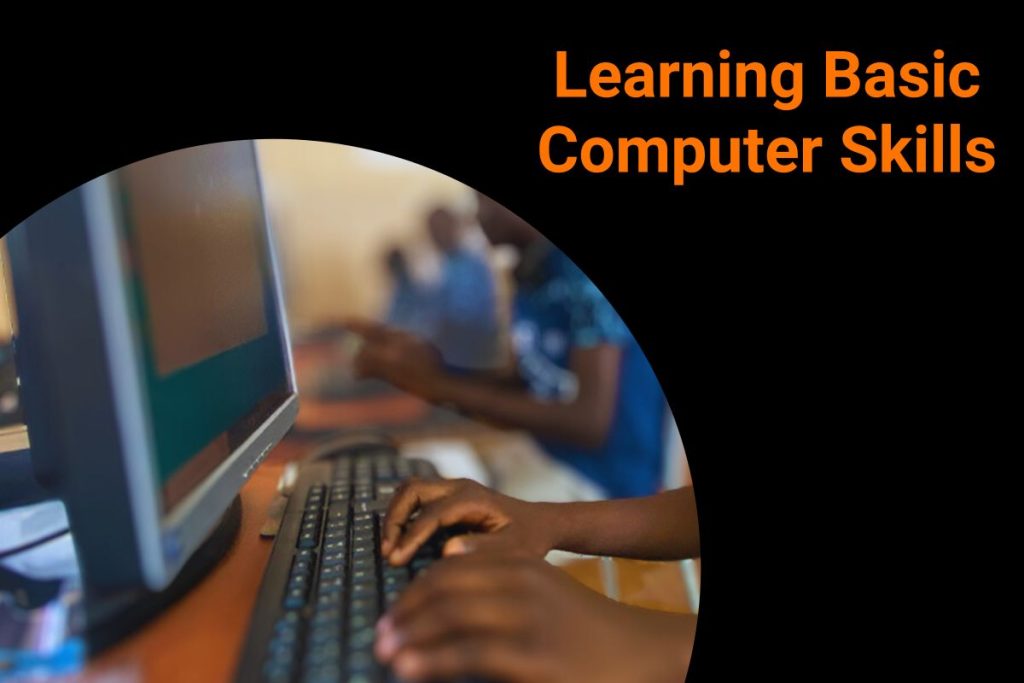
- 52% of working-age adults rely on unstable casual labour.
- 21% depend on subsistence farming.
- Just 6% engage in trade or small-scale enterprise.
Without access to vocational training, formal employment, or startup capital, millions are locked in a cycle of economic insecurity.
But with the right support — skills training, job readiness programs, and livelihood investment — this story can change.
Agricultural Productivity
Agricultural extension services are key to improving productivity, especially for women, youth, and smallholder farmers. In Busoga:
- Access to agricultural extension workers has dropped sharply from 52% in 2012/13 to 1.1% in 2016/17
- Only 16% of farmers used agricultural extension services in the past 12 months
Key services include:
- Good farming practice guidance
- Disease and pest control
- Vaccinations and input provision
Operation Wealth Creation and NAADS aim to boost agricultural productivity — but their impact depends on timely, accessible support.
Irrigation, Inputs, and Infrastructure
Modern agriculture thrives on irrigation, fertilisers, and better seeds. In Busoga:
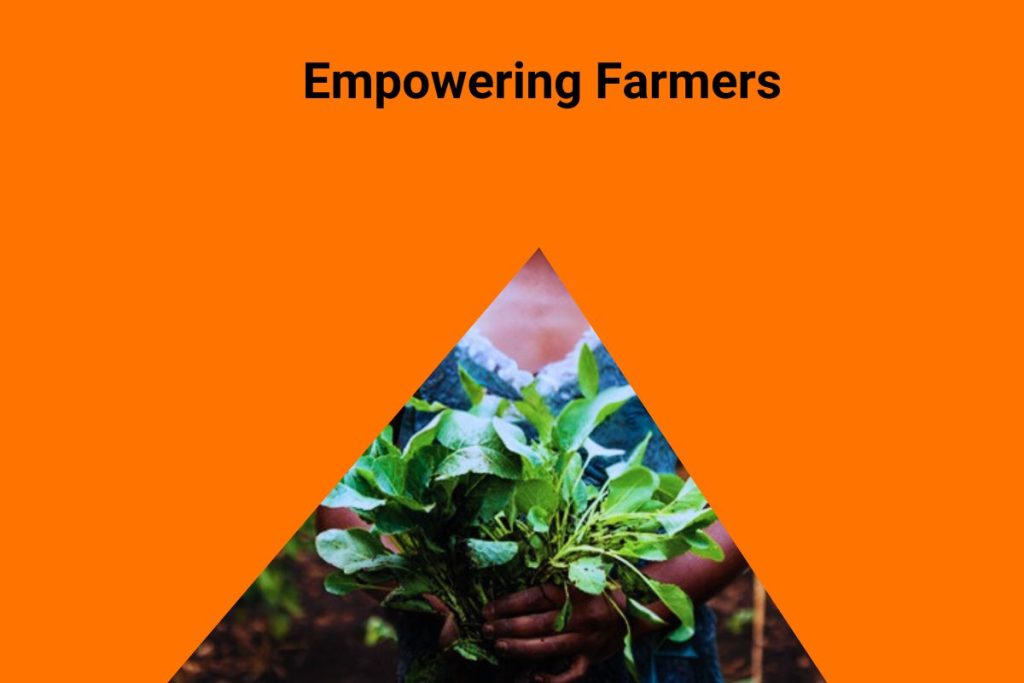
- Only 9% of communities have irrigated fields
- Fertiliser use and market access remain limited
Meanwhile, infrastructure like roads and police services shows mixed results:
- Paved national roads increased from 52% (2012/13) to 73% (2016/17)
- Feeder road quality rated poor by 63% in 2016/17 (up from 54%)
Essential Agricultural Services
Top Five Agricultural Services:
- Quality Seeds & Inputs
Improved seeds and natural fertilizers to boost crop yields and fight hunger. - Farmer Training
Hands-on education in modern, climate-smart farming techniques. - Water Access
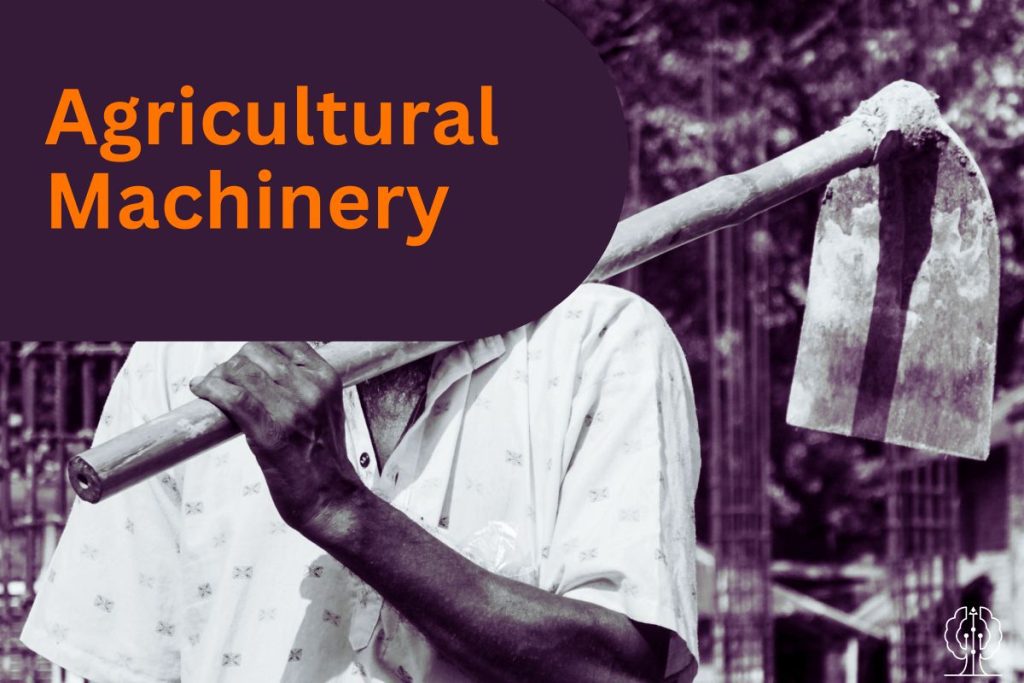
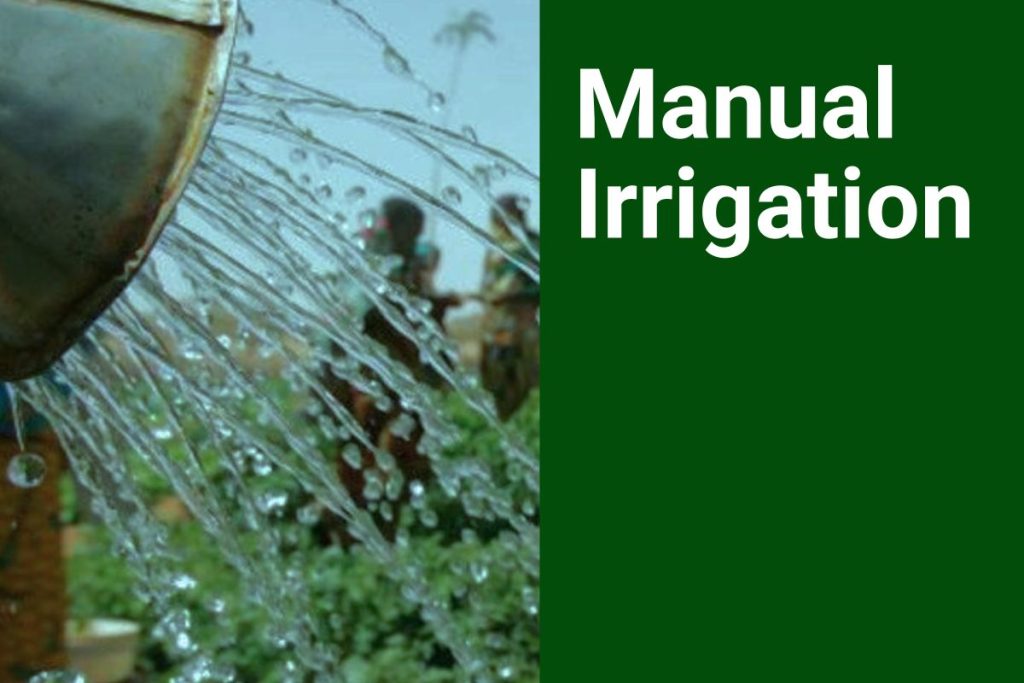
Simple irrigation and rainwater harvesting to reduce drought impact. - Tools & Equipment
Access to essential tools to reduce labor and increase efficiency. - Microfinance for Farmers
Small loans to invest in seeds, tools, and labor—fueling growth.
Irrigation and Agricultural Inputs
In Uganda’s most impoverished communities, farming is often the only source of livelihood—yet access to essential agricultural services remains painfully out of reach. Seeds are unaffordable, tools are outdated, and training is scarce.
Without support, families plant in hope but harvest in despair. A single drought or pest outbreak can wipe out months of effort, pushing entire households deeper into poverty.
This is not just a gap in service—it’s a barrier to survival, dignity, and generational progress. When smallholder farmers are empowered with knowledge, tools, and market access, they don’t just feed their families—they feed the future.
Next Five Critical Agricultural Services to Fuel Impact
- Market Access
Helping farmers sell directly and earn fair prices for their crops. - Livestock Support
Veterinary care and training to improve animal health and household nutrition. - Soil & Land Support
Testing and guidance to grow the right crops for local soil conditions. - Climate Resilience
Training to adapt farming practices to changing weather patterns. - Seed Banks & Storage
Community seed-saving and post-harvest storage to reduce loss and ensure next season’s planting.
We must act now.
Investments in maternal health, family planning, skill development, and modern agriculture are critical to break the cycle of poverty and build a resilient, prosperous Busoga region.
Let’s work together to create a brighter future — one that leaves no mother, child, or farmer behind.