The Story of the Basoga People
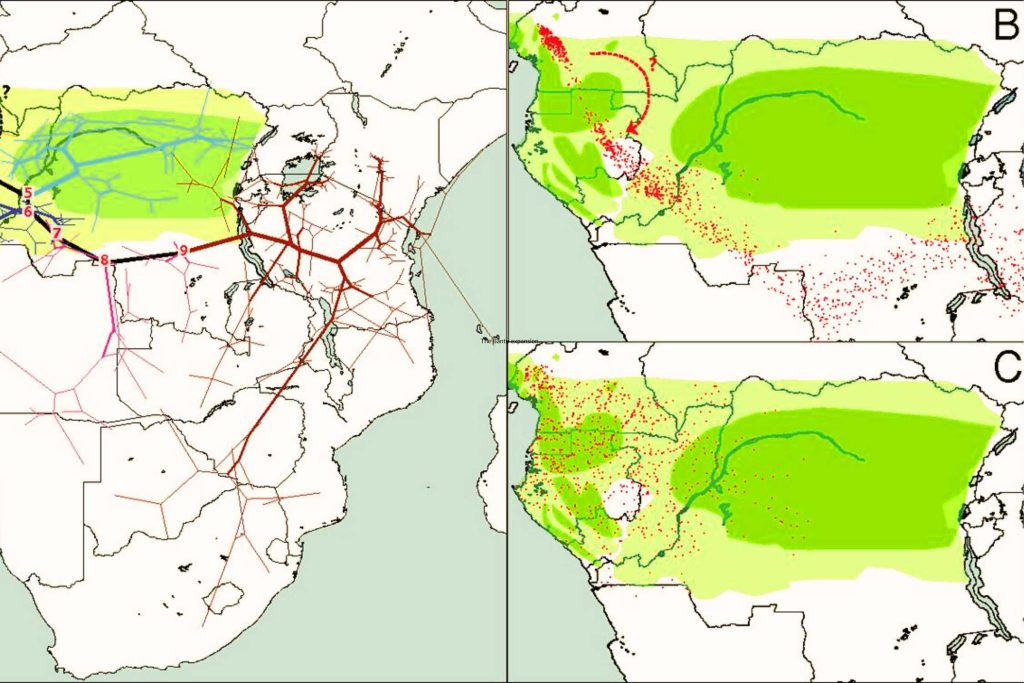
Historical research links the Basoga origins to Bantu-speaking peoples who migrated into present-day Uganda from the northern Katanga region of Central Africa between 400 and 1000 C.E.
As with other Bantu groups in the interlacustrine region, Busoga’s origins are layered and complex, shaped by centuries of movement and intermingling. The Basoga trace their early formation to legendary heroes and traditions.
Between 1250 and 1750, two cultural heroes shaped Busoga’s settlement:
Kintu
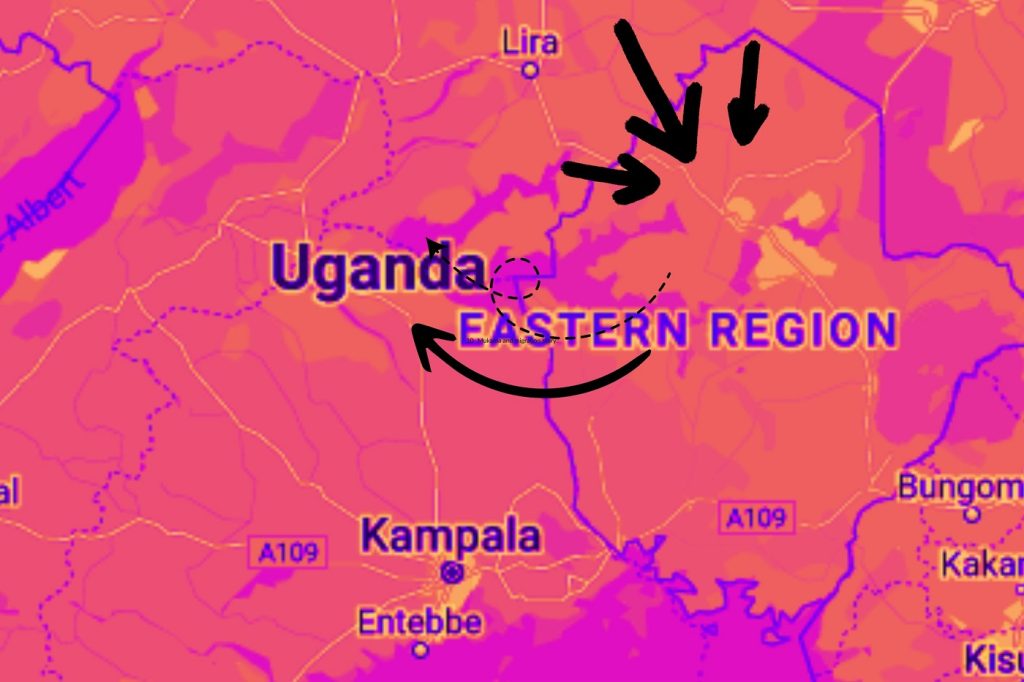
Linked to migrations around Lake Victoria, Kintu is believed to have come from the Mount Elgon area. He travelled through Busoga, founded states, and left his sons behind as he journeyed west. He later settled at Buswikira in Bunya, where his tomb became a sacred rock and worship site.
Mukama
Between 1550 and 1700, Busoga experienced the arrival of Luo immigrants. Mukama, a leader among them, is remembered as the “provider of all things.”
His descendants founded states in northern Busoga before he moved towards the Bunyoro Kingdom.
These migrations created distinct cultural zones:
- Southern Busoga — Bantu-influenced, near Lake Victoria
- Northern Busoga — Luo-influenced, near Lake Kyoga and the Mpologoma River
Prince Byaruhanga Ndahura
A Kingdom Begins: The Founding Legends and Early Kings of Busoga
Prince Byaruhanga Ndahura: A Kingdom Begins
Oral tradition tells of Prince Byaruhanga Ndahura of the Igaga Clan, hailing from the Bunyoro-Kitara Kingdom, who arrived in what would become Busoga around 1233. Accompanied by his brother-in-law Kisiki and soldiers — mainly from the Ngobi Clan — Byaruhanga named this undefined land Busoga.
He established six key counties:
- Bugabula (led by Gabula)
- Luuka (entrusted to Tabingwa)
- Busiki (to Kisiki)
- Bugweri (to Menhya)
- Bukhooli (to Wakhooli)
- Kigulu, which Byaruhanga kept as the future seat of his kingdom
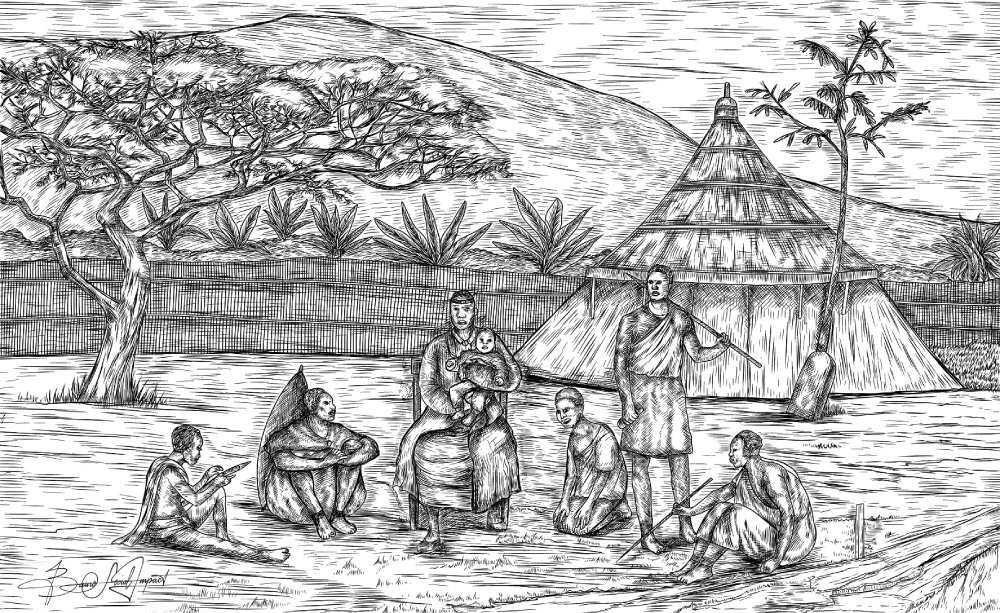
Byaruhanga fell in love with the serene Nnenda Hill at Busambira village. Captivated by its beauty and welcomed by the hospitable locals, he was offered a bride. When their son was born, he named him Ndahura.
When Ndahura turned two, Byaruhanga declared the creation of a new kingdom, naming his son its first ruler — the Isebantu (Father of the People). The five chiefs acted as regents until Ndahura came of age. Byaruhanga decreed that kingship, as well as chiefdoms, would be hereditary, with sons succeeding fathers in leadership — a system mirroring the governance of Bunyoro-Kitara.
Prince Mukama Namutukula
The Babiito Legacy
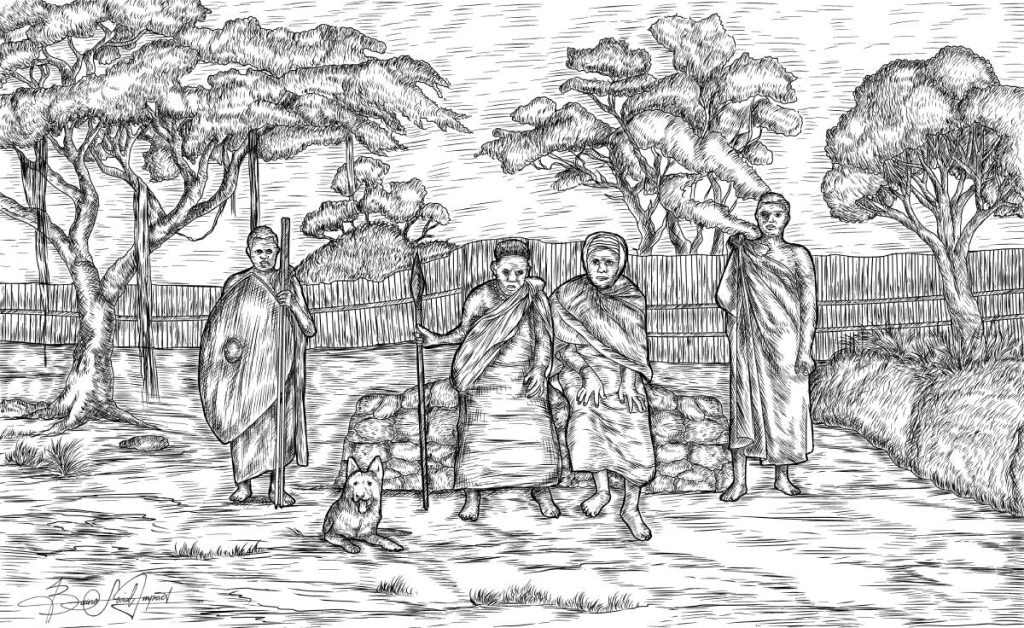
Another tradition speaks of Prince Mukama Namutukula, a royal of the Babiito dynasty from Bunyoro, who, in the 16th century, journeyed east across Lake Kyoga. With his wife Nawudo, servants, arms, and his loyal dog, he arrived at Iyingo (modern-day Kamuli District).
A passionate hunter and skilled blacksmith, Mukama’s adventures brought him close to the land. He fathered five sons who survived to adulthood, each receiving a territory:
- Wakoli — Bukooli
- Zibondo — Bulamogi
- Ngobi — Kigulu
- Tabingwa — Luuka
- Kitimbo — Bugabula
These regions evolved into key centers of governance and culture in Busoga, administered using the familiar practices of Bunyoro-Kitara.
The Birth of Busoga’s Federation
Over time, these territories maintained their distinct local rule until the late 19th century, when colonial forces reorganized Busoga into a federation. This led to the creation of the Busoga Lukiiko, the kingdom’s regional council.
The Origin of the Name “Busoga”
There are several fascinating theories about the origin of the name:
Byaruhanga’s Naming — Some say Byaruhanga named the land after spotting a tree common to the area. In Lusoga, it is called omukakale; in Runyoro, kisogasoga.
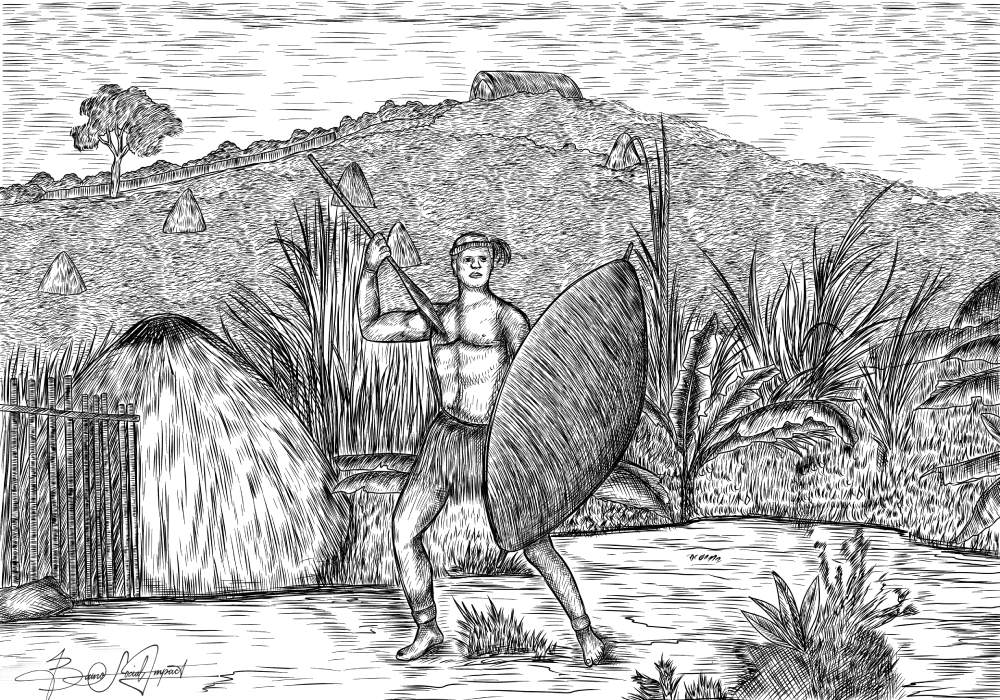
The Spearing Technique — Another account credits the name to a fighting style. In wars with the Baganda, the Basoga were known for a downward spearing motion called okusonga in Lusoga (rendered okusogga by the Baganda), leading to the name Basogga — and eventually, Busoga.
Historical Writings — Scholars like Fallers Lyolld (1965) and David William Cohen (1972) noted that “Busoga” may have first referred to a hill in south-central Busoga, associated with the Ntembe lineage of the Reedbuck clan.
Political Organization of Busoga
From Chiefdoms to Kingdom
Pre-Colonial and Early Colonial Governance
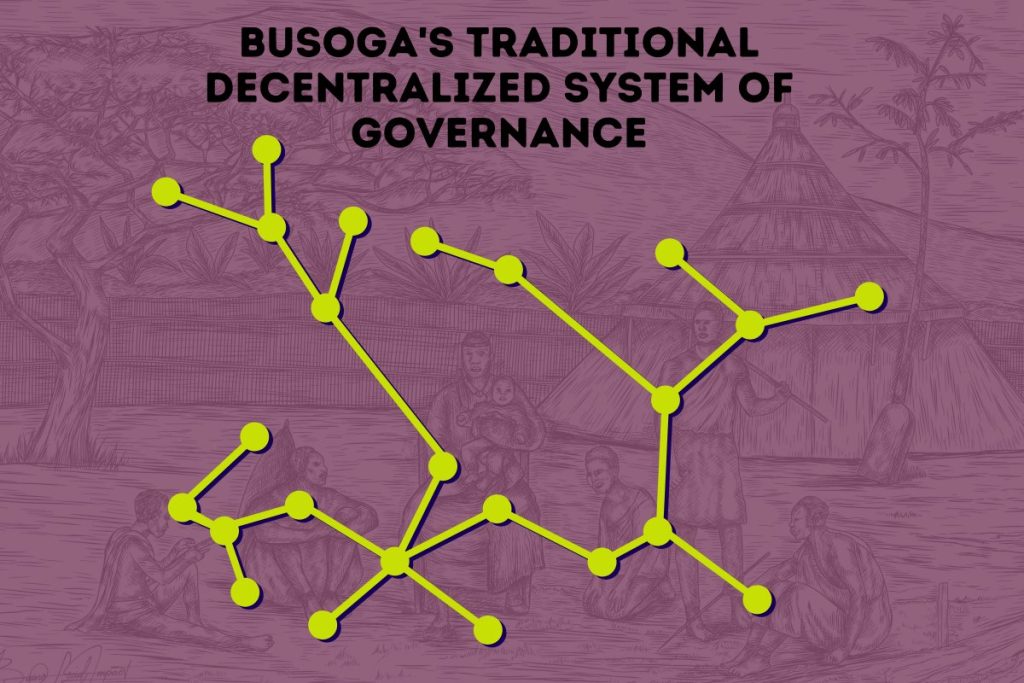
Before colonial rule, Busoga was structured as a collection of chiefdoms, maintaining a decentralized, semi-autonomous political system. Unlike neighboring kingdoms such as Buganda and Bunyoro, Busoga did not have a singular, all-powerful monarch at the helm.
The chiefdoms operated independently, with local leaders governing their territories. This structure remained largely intact despite external pressures — until 1906, when the British colonial administration initiated efforts to unify Busoga’s chiefdoms into a single kingdom to streamline their rule and advance their colonial objectives.
The first move was the creation of the President of the Busoga Lukiiko (Council), a position intended to coordinate governance across the region. In 1939, this title evolved to Isebantu Kyabazinga, meaning the father of the people who unites them. This title marked a new political identity for Busoga.
Foreign Influences and Busoga’s Vulnerability
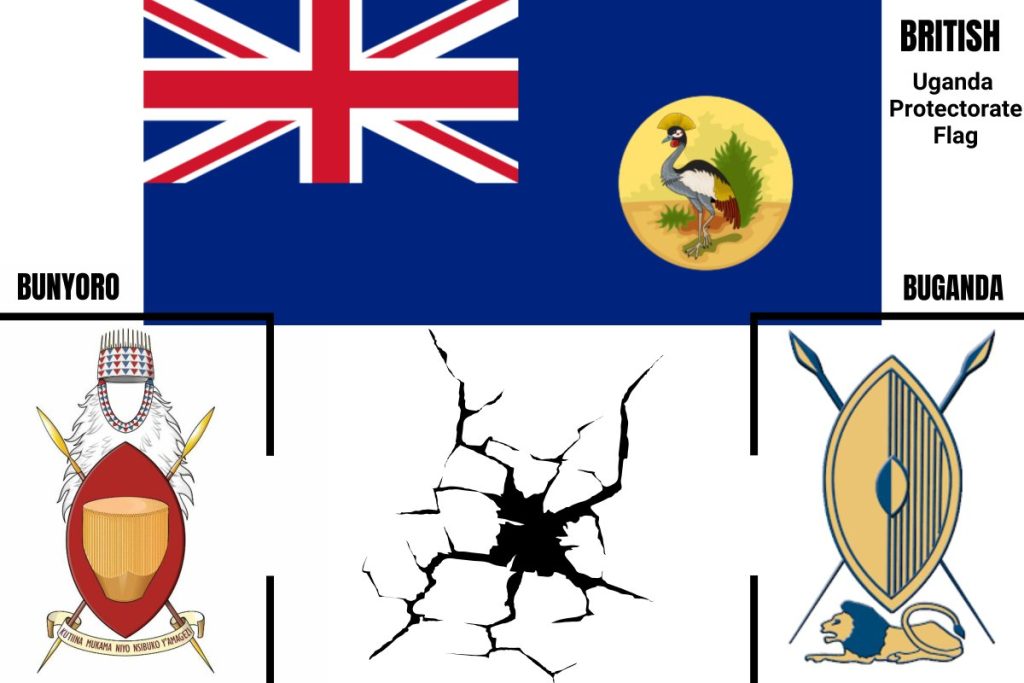
The political history of Busoga reflects the significant influence of Bunyoro, Buganda, and British colonial powers. These three external forces, each driven by distinct interests, often overlapped in their control over Busoga. Their representatives pursued not only the goals of their respective institutions but also their personal ambitions.
This layered colonial entanglement destabilized Busoga’s socio-economic foundations, leaving the region vulnerable to manipulation and exploitation. The legacy of this underdog status continues to shape Busoga’s political and economic realities today.
Yet, Busoga’s chiefdom tradition endures as a cherished memory, with ongoing efforts to preserve its cultural significance.