Beyond Reading and Writing: Empowering Communities with Language, Numbers, Technology, and Lifelong Knowledge
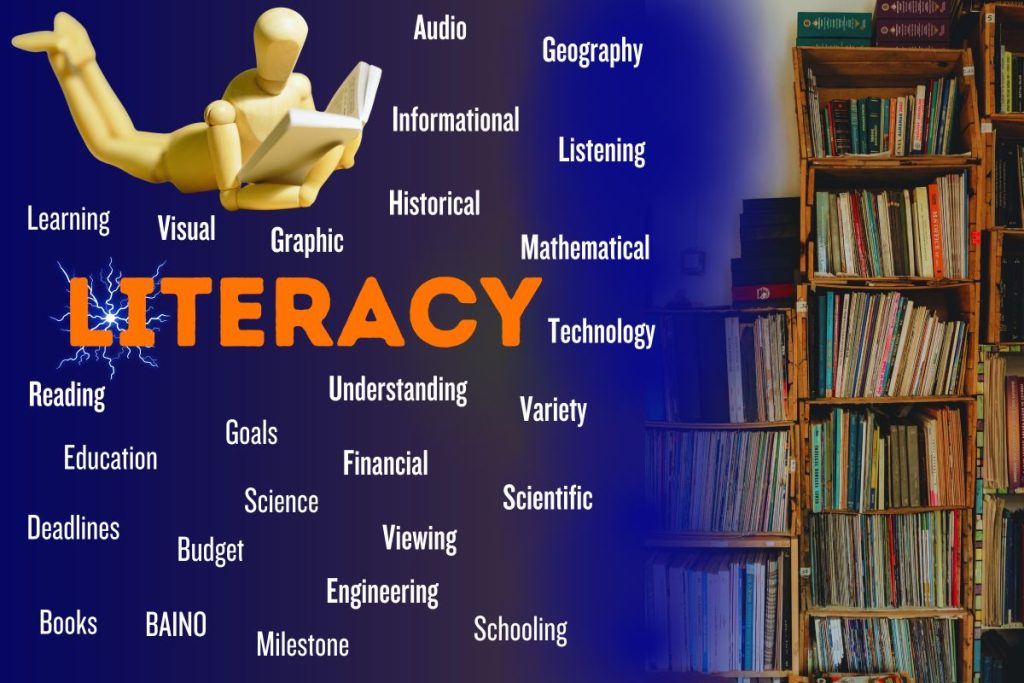
Traditionally, literacy was defined as the simple ability to read and write. But in today’s fast-changing and interconnected world, literacy is so much more. It is the foundation for all learning, growth, and participation in society. It means using language, numbers, technology, and images to understand the world, make informed decisions, and build better lives.
Donate Today to Break the Chains of Illiteracy
At Baino Social Impact, we envision Uganda’s most impoverished communities becoming respected, literate societies. We believe literacy is not only a fundamental human right – it is the bridge to lasting development. It fuels progress in every sector, from health and education to entrepreneurship, governance, and economic self-reliance.
Your support can equip vulnerable children, youth, and adults with the tools they need to read, learn, lead, and transform their communities.
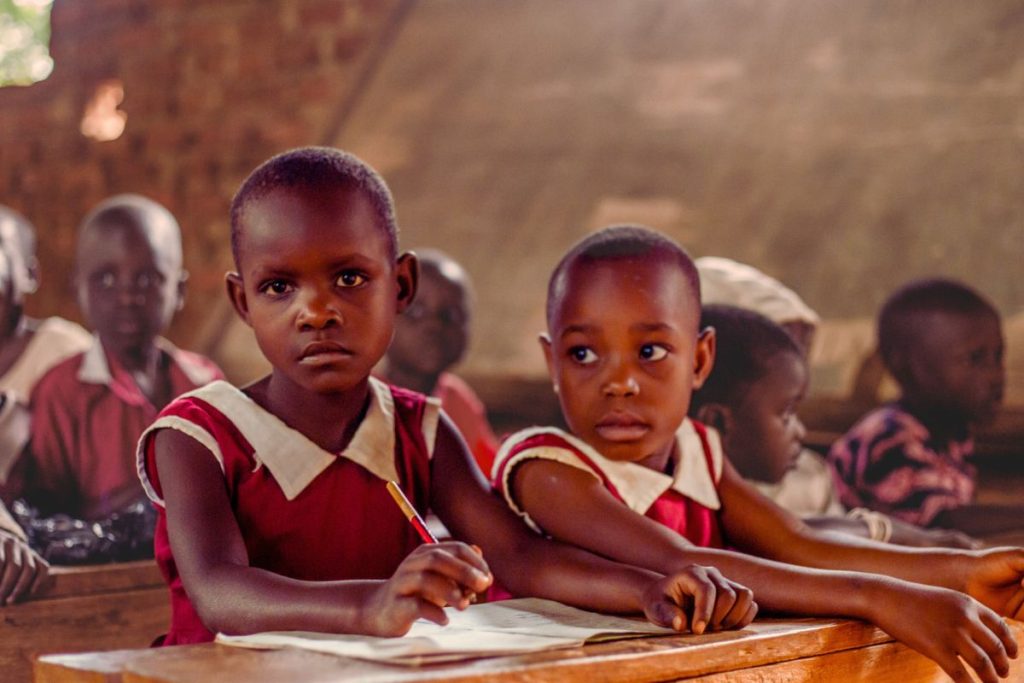
Empowering Life in Every Dimension
Modern literacy, as defined by UNESCO, includes the ability to identify, understand, interpret, create, communicate, and compute using a wide range of materials. It is a lifelong tool to unlock potential, achieve goals, and contribute meaningfully to society.
Literacy empowers people to engage confidently with language, numbers, technology, and ideas — shaping their lives, families, and communities for the better.
What Literacy Means Today
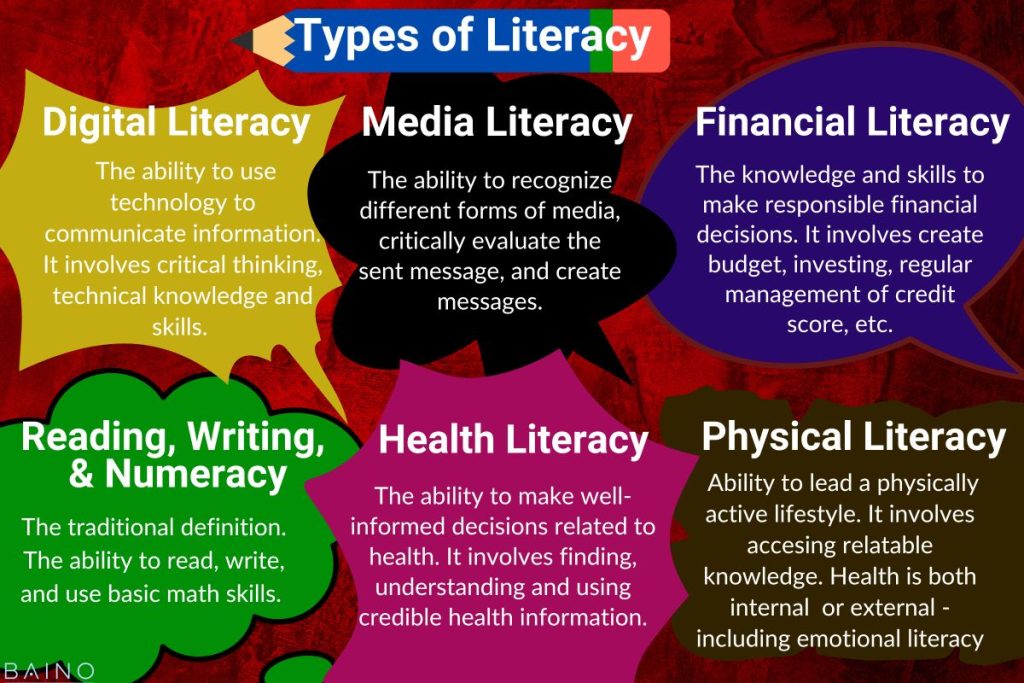
✔ Digital & Computer Literacy: Using technology effectively and thinking critically about online content.
✔ Media & Visual Literacy: Analyzing media messages, identifying misinformation, understanding bias, and interpreting visuals in our information-rich world.
✔ Financial Literacy: Managing money, understanding credit, budgeting, and making informed financial decisions for personal and community well-being.
✔ Civic Literacy: Knowing your rights and responsibilities, voting, advocating for change, and understanding public policies.
“Literacy is how we connect with others, express who we are, and shape our shared future.
It helps individuals and communities participate in economic, social, cultural, and political life.”
✔ Emotional Literacy: Recognizing and managing emotions, developing empathy, and nurturing healthy relationships.
✔ Health & Ecological Literacy: Making informed choices about personal, family, and environmental health and sustainability.
✔ Child, Youth, and Adult Literacy: Fostering curiosity, adaptability, and lifelong learning across all stages of life.
✔ Numeracy & Statistical Literacy: Interpreting data, understanding risk and probability, and applying quantitative reasoning to everyday life.
Multiliteracy
Multiliteracy: Preparing Communities for a Global Future
Coined by the New London Group, multiliteracy recognises the world’s cultural and linguistic diversity and the importance of multimodal communication — text, images, video, digital media, and beyond.
At Baino Social Impact, we advocate for multiliteracy so that children and adults can thrive in a networked, digital, and culturally diverse world, and so that Uganda’s communities remain competitive and resilient in the modern era.
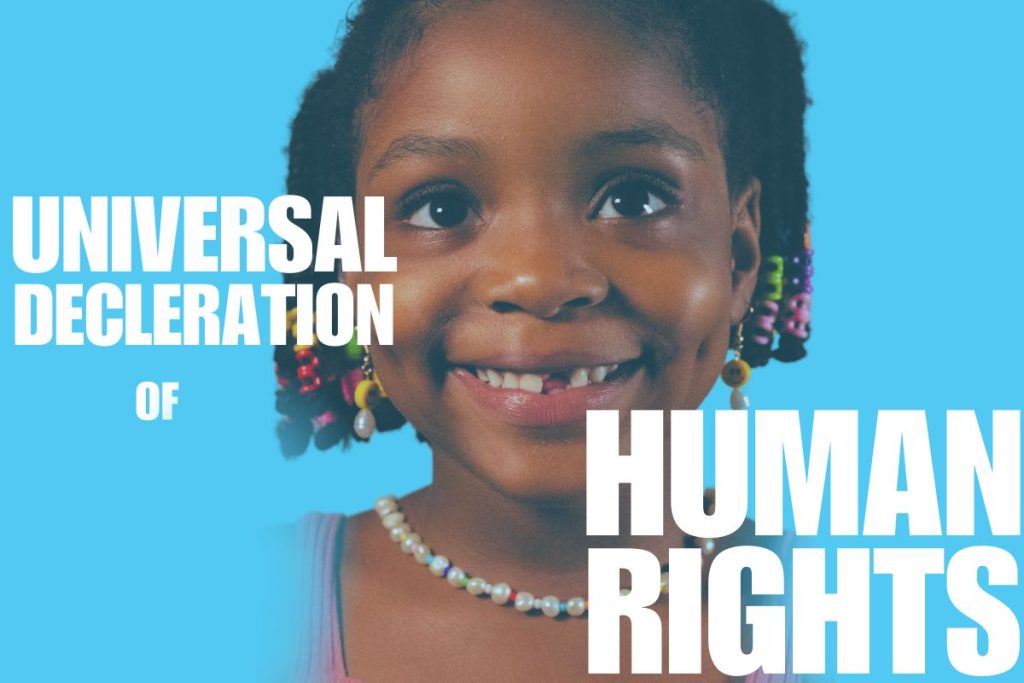
Literacy Is a Fundamental Human Right
Why Literacy Is a Human Right
As declared in the Hamburg Declaration (1997):
“Literacy, broadly conceived as the basic knowledge and skill needed by all in a rapidly changing world, is a fundamental human right.”
Yet millions in Uganda, especially women and girls, are denied this right due to lack of opportunity, poverty, and systemic barriers. We are committed to changing this injustice.
Your donation today helps provide books, technology, training, and community-based programs that empower people to become literate and build better futures.
Digital Literacy
Digital Literacy: A Modern Survival Skill
Digital literacy is more than just knowing how to use a computer. According to the American Library Association:
“Digital literacy is the ability to use information and communication technologies to find, evaluate, create, and communicate information, requiring both cognitive and technical skills.”
In today’s information-driven world, digital literacy helps children and adults navigate the internet with confidence — thinking critically, assessing credibility, and consuming content ethically. For impoverished communities, it is a pathway out of poverty and a tool for economic empowerment.
Importance of Literacy
Socio-economic Impact
Why Literacy Fuels Sustainable Development
Literacy builds human capital, the foundation for economic growth, innovation, and resilience. It empowers individuals to create jobs, care for their families, and build stronger communities.
✔ Literate people have better health, employment, and social mobility.
✔ Literate communities can tackle poverty, gender inequality, and environmental challenges more effectively.
Health Impacts
✔ Literacy is central to achieving the United Nations Sustainable Development Goals (SDGs), from eradicating poverty to promoting good health and wellbeing.
Your donation funds grassroots literacy projects in Uganda that improve health, advance gender equality, and unlock economic opportunity.
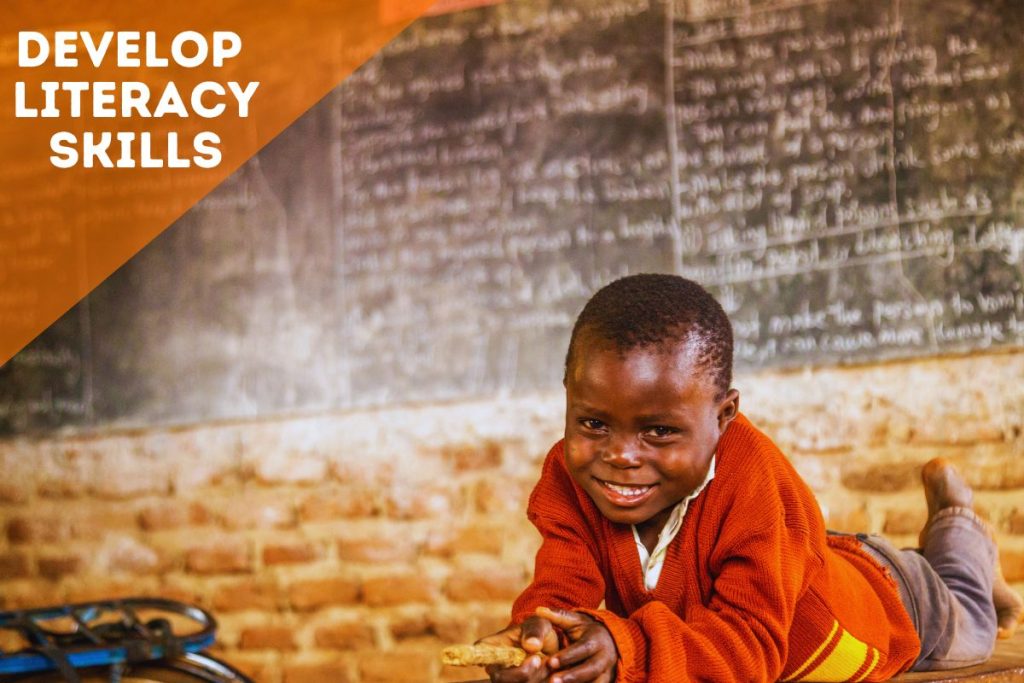
Literacy and Health: Saving Lives and Building Futures
Did you know?
Children of literate mothers are 50% more likely to survive past the age of five.
Literacy isn’t just about reading – it saves lives. Low literacy among women in Busoga contributes to poor health outcomes, child mortality, and limited access to healthcare. When you support literacy for women and girls, you build healthier families and stronger communities.

Literacy and Education
Literacy and Education: Unlocking Opportunity
Formal schooling matters, but true literacy goes beyond time spent in classrooms. Literacy happens everywhere: reading signs, maps, websites, poems, news articles, and sharing ideas in conversation.
Functional illiteracy — the inability to use basic reading and writing skills in daily life — remains a major barrier in Uganda’s Busoga region. At Baino Social Impact, we are committed to:
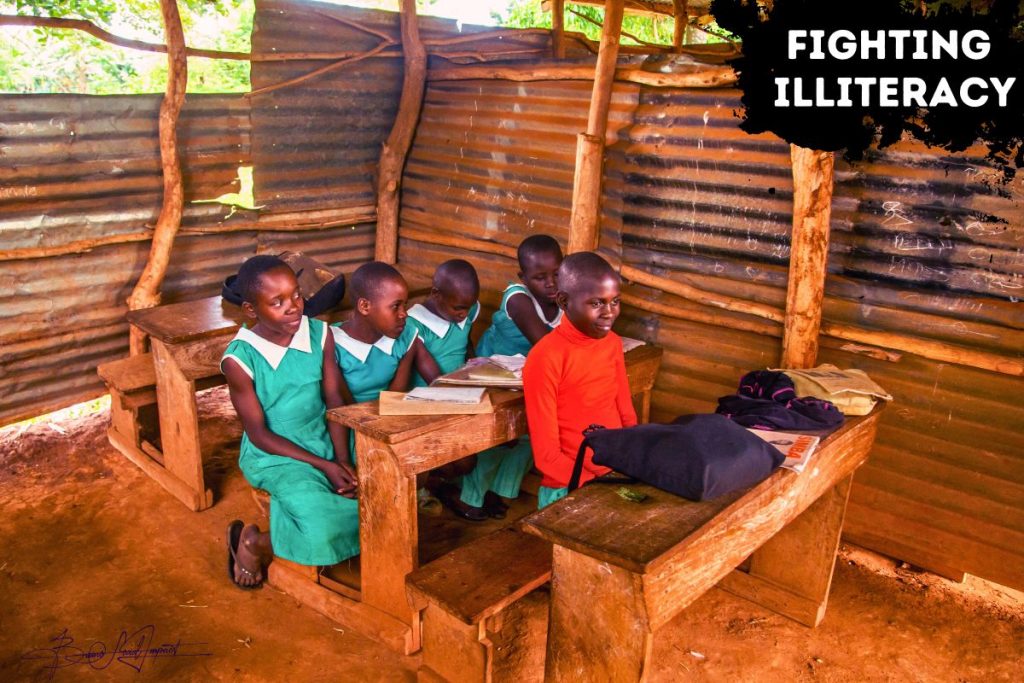
- Providing children with access to books, technology, and learning materials
- Cultivating a love of reading and critical thinking
- Ensuring no child’s education is blocked by poverty
Education is the gateway to a lifetime of opportunity — and literacy is the key that opens it.
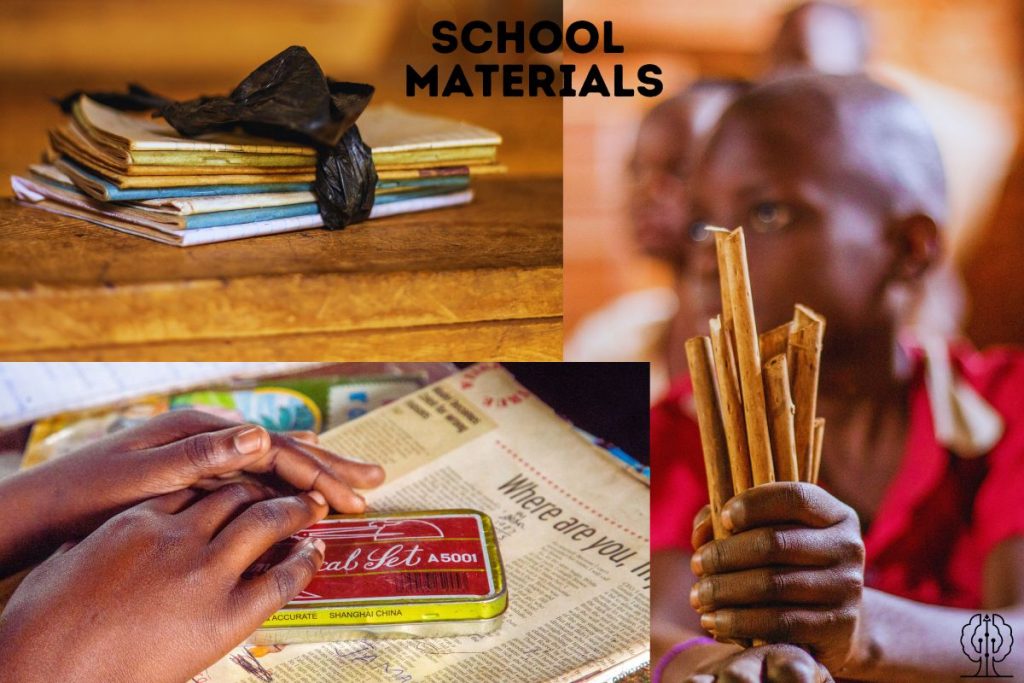
Why Impoverished Communities Need Your Help
- Busoga has Uganda’s lowest literacy rates
- Many children lack access to basic academic resources.
- High dropout rates and low school enrolment limit opportunity.
But together, we can change this reality. Your support builds literacy skills, breaks down barriers, and creates lasting development for Busoga’s future.
No society can
develop in the dark.
Donate Now to End Illiteracy and Build a Literate, Thriving Uganda.
Your gift gives children and communities the tools to read, learn, lead, and transform their lives forever.