Give families the tools to escape poverty—because economic security ends hunger, fuels education, and builds futures that last.
Economic security is more than just income—it is dignity, stability, and hope. Broadly construed, economic security means people can consistently meet their essential needs with dignity and without fear of tomorrow. It is the foundation of thriving families and strong communities. In Uganda’s struggling regions, achieving economic security for vulnerable households holds the ultimate power to break the entrenched cycle of poverty and illiteracy, opening doors to healthier lives, education, and lasting opportunities.
Your support today can empower families with the resources, skills, and resilience they need to stand on their own feet.
Donate now to help build economic security that transforms lives forever.
What Is Economic Security?
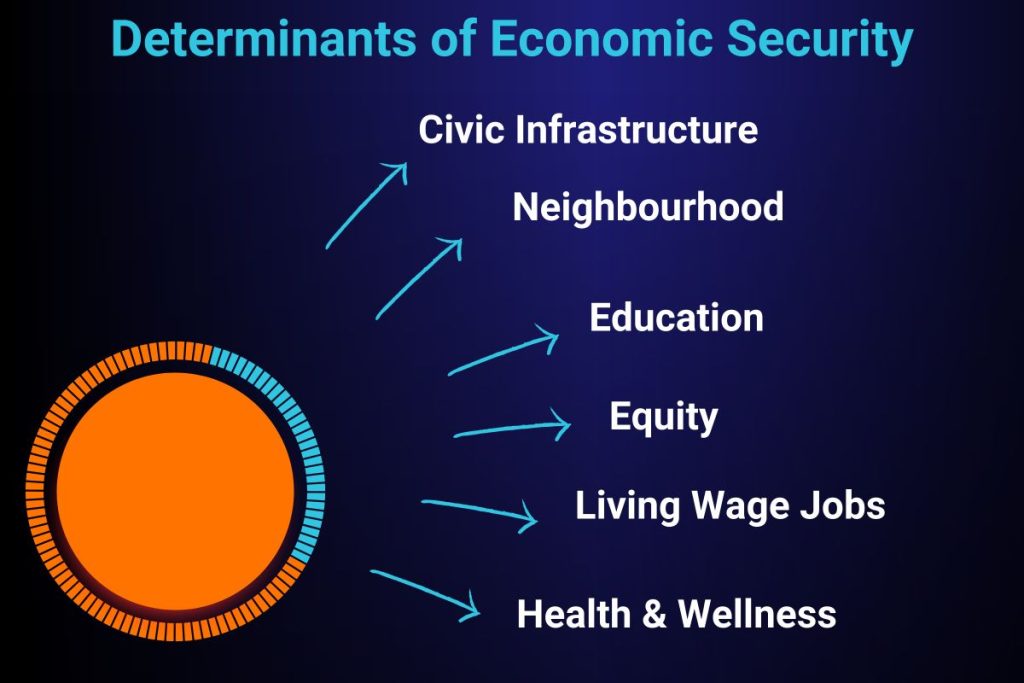
For struggling communities in Uganda, economic security is often a distant dream. The International Committee of the Red Cross (ICRC), a leading global advocate for economic stability, defines economic security as the ability of individuals, households, or communities to sustainably cover their essential needs with dignity. These essential needs include food, basic shelter, clothing, hygiene, and related expenditures such as health care, education, and the vital assets needed to earn a living.
How Economic Security Services Help
Economic security services worldwide work to assess whether people affected by crises, conflict, poverty, or systemic neglect can sustainably cover these essential needs. When they cannot, interventions focus on protecting lives, restoring livelihoods, and building pathways to resilience.
The ICRC has identified five key livelihood outcomes necessary for economic security:
- Food consumption
- Food production
- Living conditions
- Income
- The capacity of civil society organisations and governments to meet people’s needs
All related efforts are driven by a commitment to accountability and delivering relief that makes life bearable in the harshest times.
The Multidisciplinary Approach to Economic Security
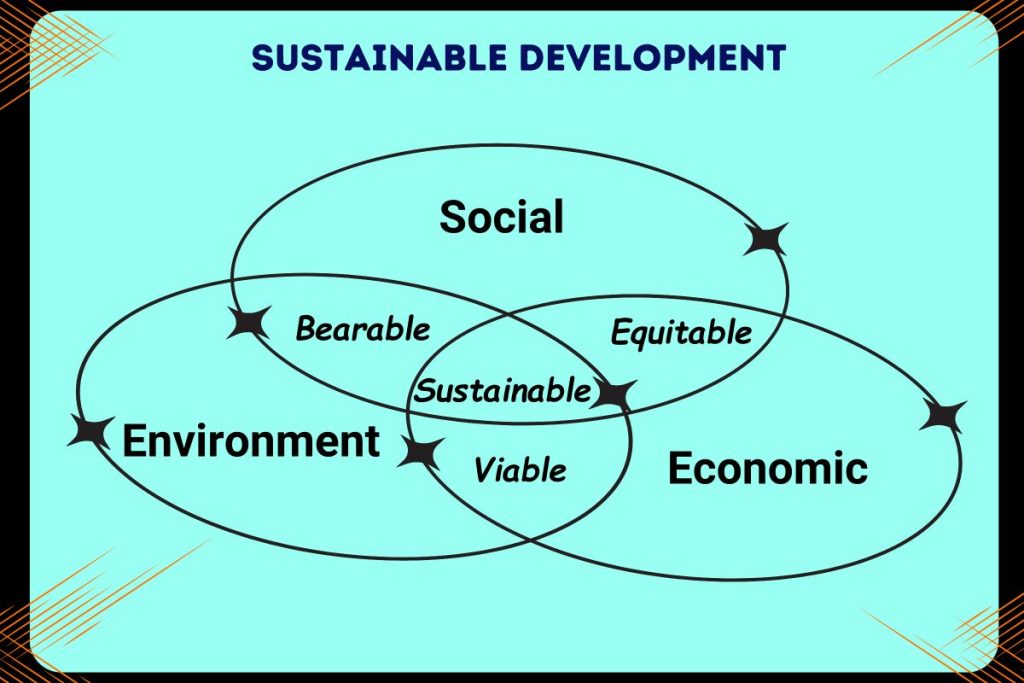
Ensuring economic security is not just about income support or food aid. It also requires livelihood analysis, nutrition expertise, agronomy and agricultural economics, veterinary science for livestock production, financial administration, and social protection systems. These disciplines work together to build sustainable safety nets for the poor and vulnerable.
Why Economic Security Must Be Flexible
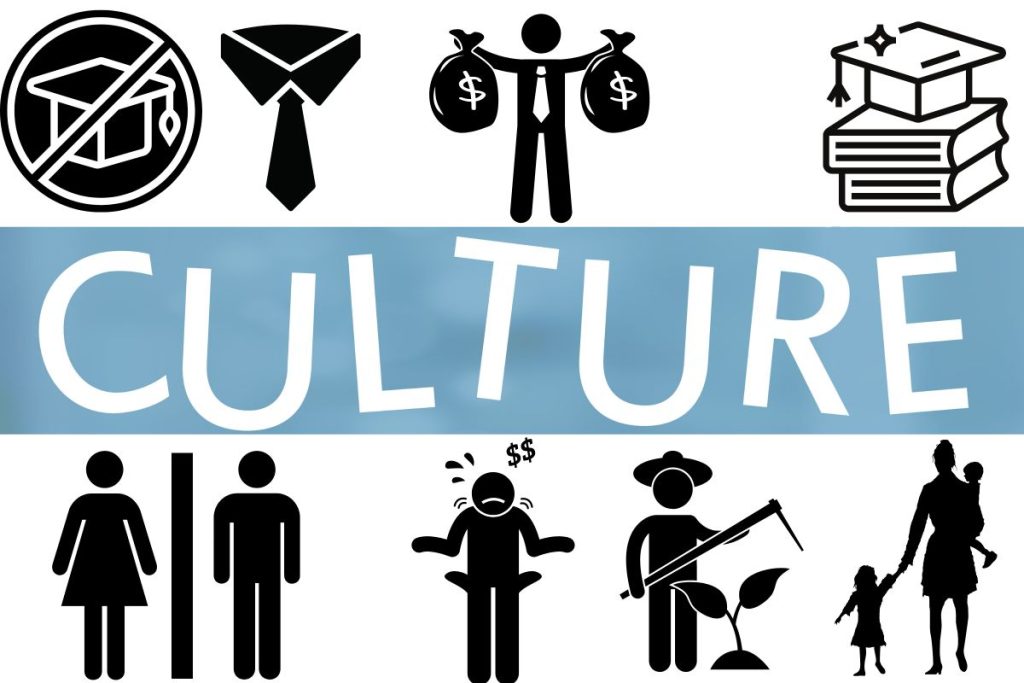
Cultural standards also shape what is included as essential for economic security, meaning that approaches must be flexible, adaptive, and rooted in the realities of each community. In today’s rapidly changing global economy, economic security is under threat for millions. Instability in markets, the erosion of traditional livelihoods, and climate change exacerbate the vulnerability of already struggling families.
The Reality of Economic Insecurity
Economic insecurity occurs when people lack enough resources to pay for food, housing, medical care, and other essentials – leading to constant worry, anxiety, and an inability to plan for the future.
The success of a society depends on whether everyone – regardless of social status or background – has the opportunity to thrive. When families have economic security, they gain the skills, confidence, and resilience to withstand hard economic times and grow their incomes.
How Economic Security Programs Change Lives
Economic security programs such as social security, food assistance, tax credits, and family assistance have proven to reduce poverty and hardship in many parts of the world, improving long-term outcomes for millions – especially children, who are highly susceptible to poverty’s devastating effects.
Poverty vs. Economic Insecurity
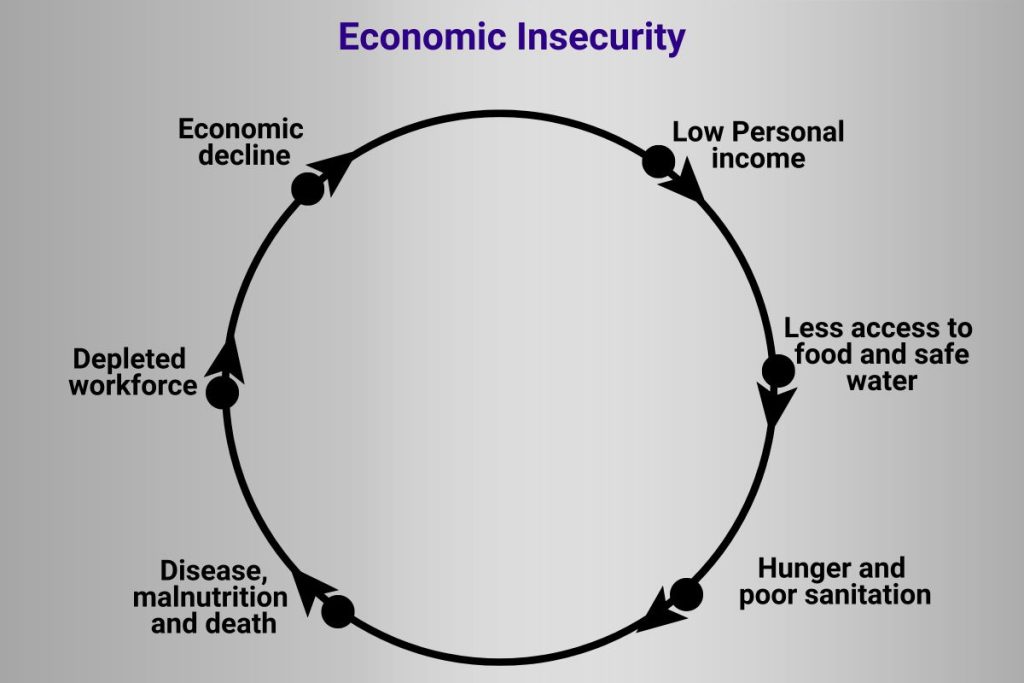
However, poverty and economic insecurity are not the same. While poverty is often defined by income thresholds, economic insecurity reflects the daily struggle of families who, even if slightly above the poverty line, live with constant fear of losing what little they have.
It is the worry of the unemployed, the marginalised, and those facing discrimination or lacking access to meaningful resources – people who wake up each day unsure how they will survive the next.
The Overlap and Differences
While poverty and insecurity often overlap, they can exist independently. Some communities may not be classified as poor by income standards yet remain deeply insecure, unable to plan for emergencies or invest in their future. Conversely, some people living with low income might still feel a sense of security if they have strong community support or guaranteed employment.
But for many in Busoga and other impoverished regions of Uganda, insecurity is compounded by poverty, creating conditions where daily life becomes a constant fight for survival.
Why Security Matters for Human Well-being
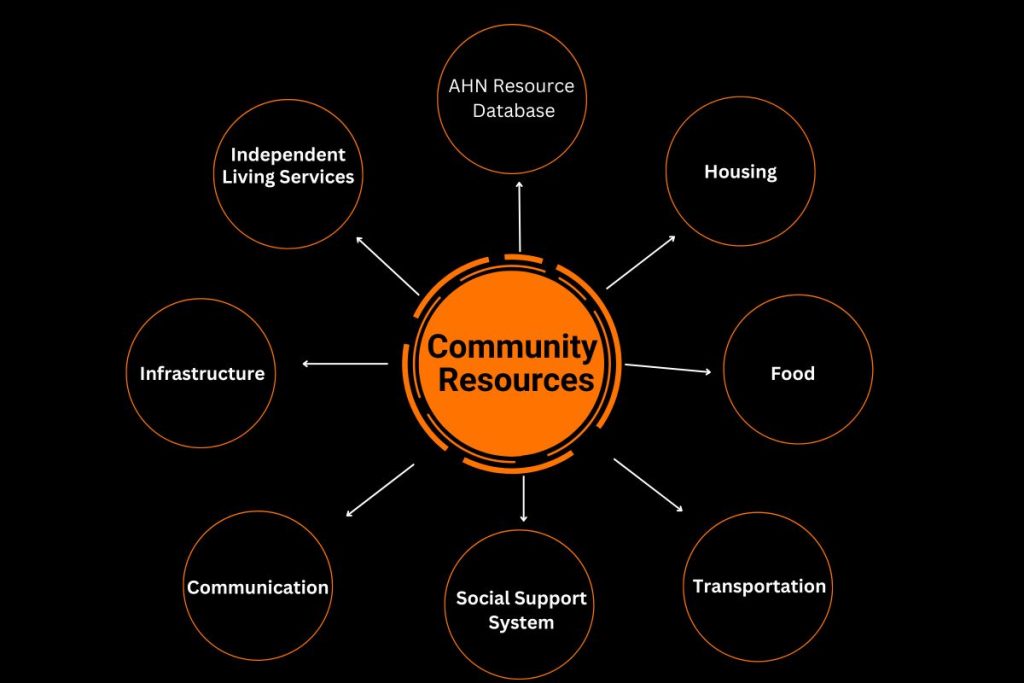
All human beings need a sense of security to belong, feel stable, and have direction in life. When denied opportunity and resources, people lose this sense of security, leading to frustration, despair, and sometimes socially destructive behaviours. Throughout history, mass insecurity has bred intolerance, extremism, and violence – phenomena we see rising in many parts of the world today.
How Insecurity Limits Growth and Innovation
Insecurity also limits innovation and productive risk-taking. When families are constantly worried about meeting basic needs, they become less willing to invest in businesses, education, or community projects. Their choices narrow, their aspirations diminish, and their health deteriorates under the weight of stress and anxiety.
Understanding Economic Insecurity
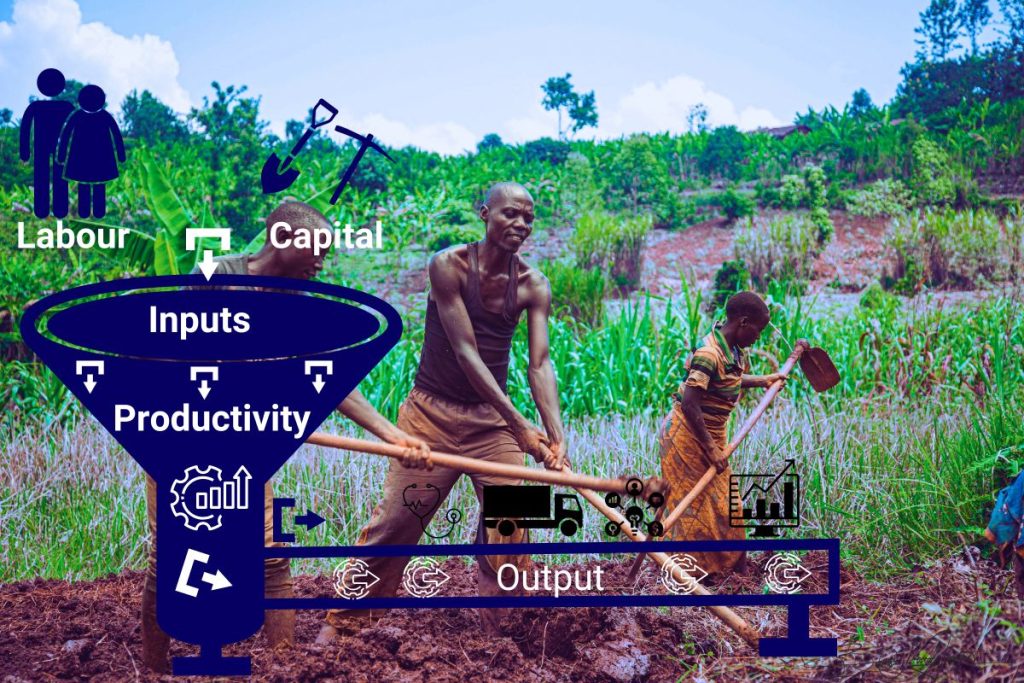
Understanding economic insecurity is complex because it includes both real and perceived risks. People’s feelings of insecurity are shaped by their experiences, and the expectation of adverse events can be as damaging as the events themselves.
Yet despite its profound impact on well-being, productivity, and stability, economic insecurity is rarely measured or prioritised in policymaking.
Two Key Elements of Economic Insecurity
- Exposure to or expectation of adverse events
- Inability to cope with or recover from these events
Sadly, while risks are growing globally, people’s abilities to cope have not kept pace, making it urgent to bring economic security to the forefront of poverty reduction strategies.
Why Economic Security Is a Cornerstone of Well-being
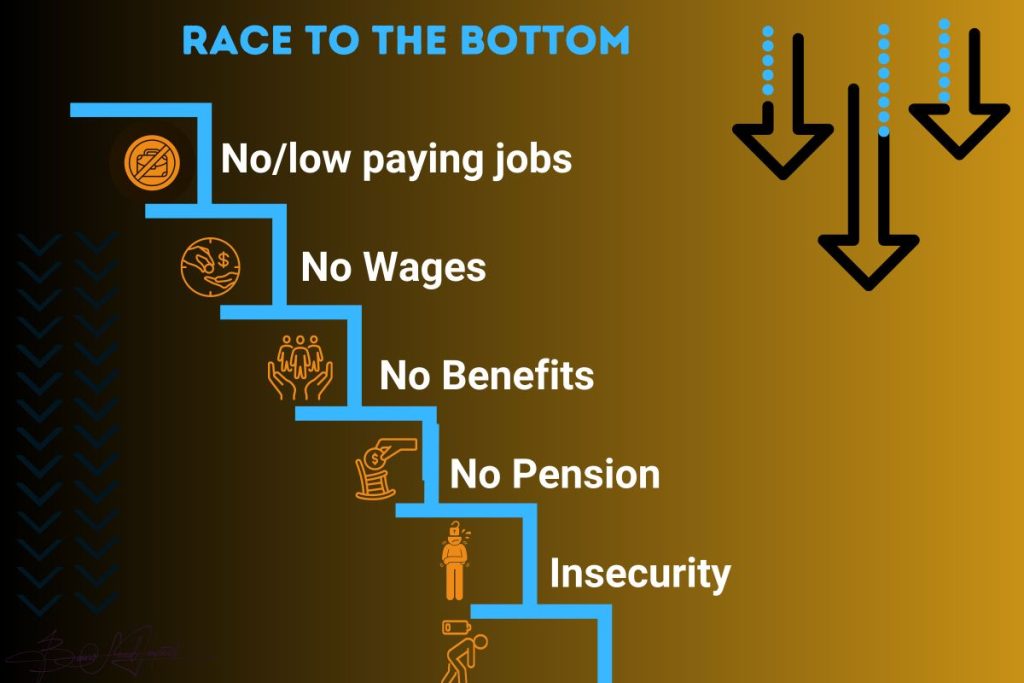
Economic security is a cornerstone of well-being. Stability and predictability empower people to plan and invest in their future, encourage innovation, reinforce social bonds, and build trust in institutions. Worry and anxiety about the future, on the other hand, can lead to mental health problems, heart disease, and unhealthy coping behaviours that erode families from within.
A Critical Question for Us All
The critical question is: how do we enable access to opportunities for everyone to engage in meaningful work, earn dignified incomes, and support their families to advance in life?
Indeed, economic security relies on both the perception of general safety and quantifiable material or financial conditions.
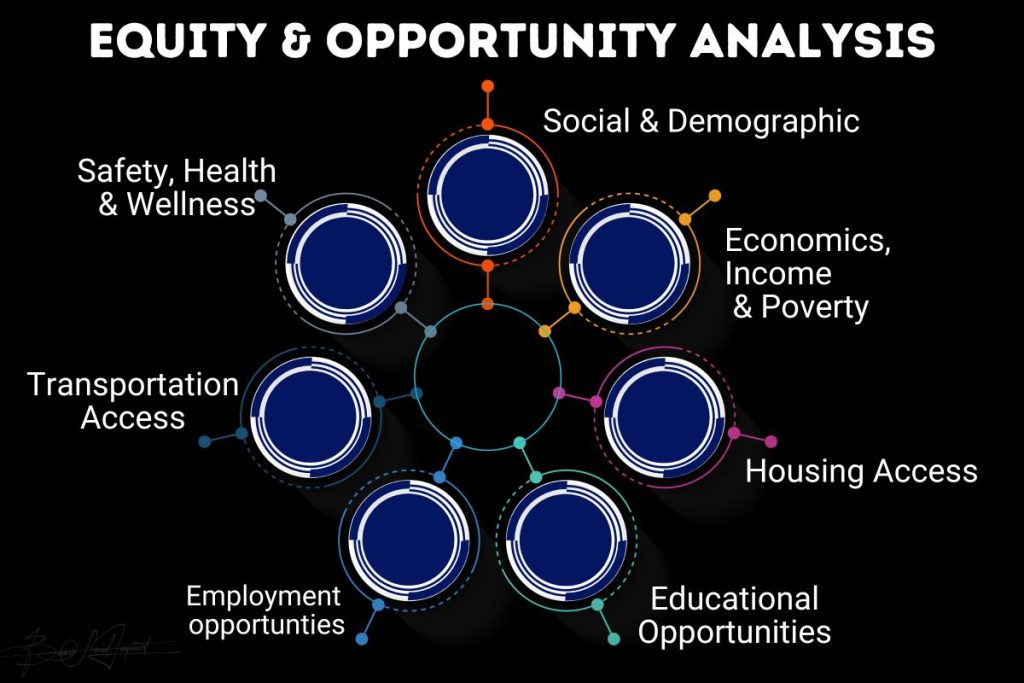
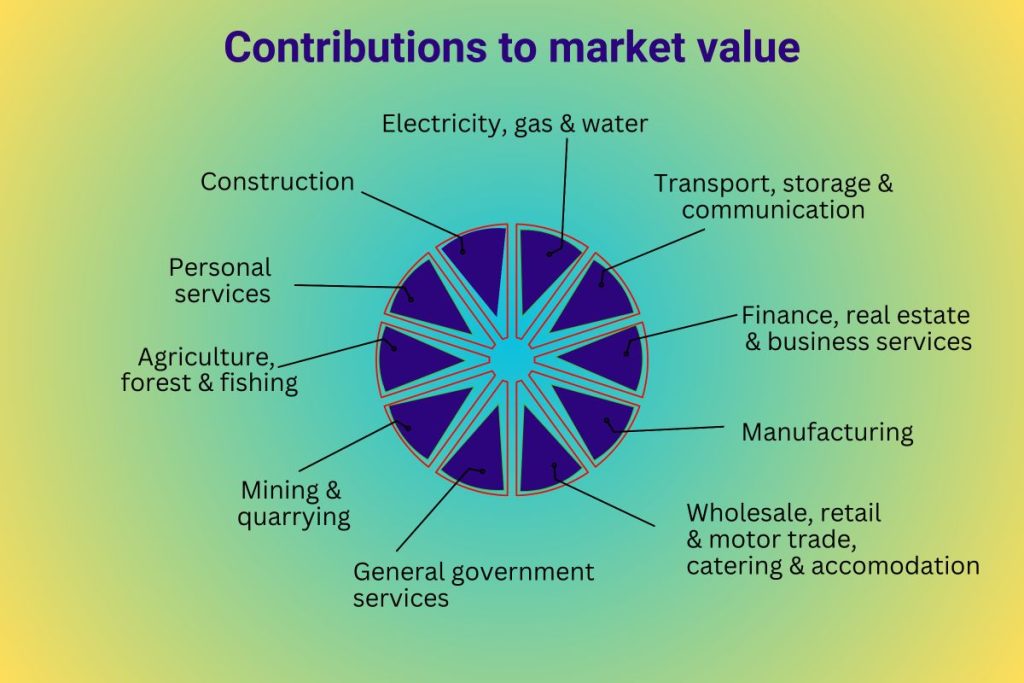
National Economic Security and Well-being
Nationally, economic security also refers to a country’s ability to pursue its developmental goals, balancing trade, managing foreign investments, and fostering public-private partnerships that uplift citizens. While GDP remains a common measure of economic well-being, true national success is increasingly being assessed through factors such as national happiness, resilience, and inclusive growth.
Your support can empower vulnerable families to achieve economic security, breaking the cycle of poverty and igniting a future of hope, stability, and growth.
Donate now to give families in Uganda the chance to thrive.
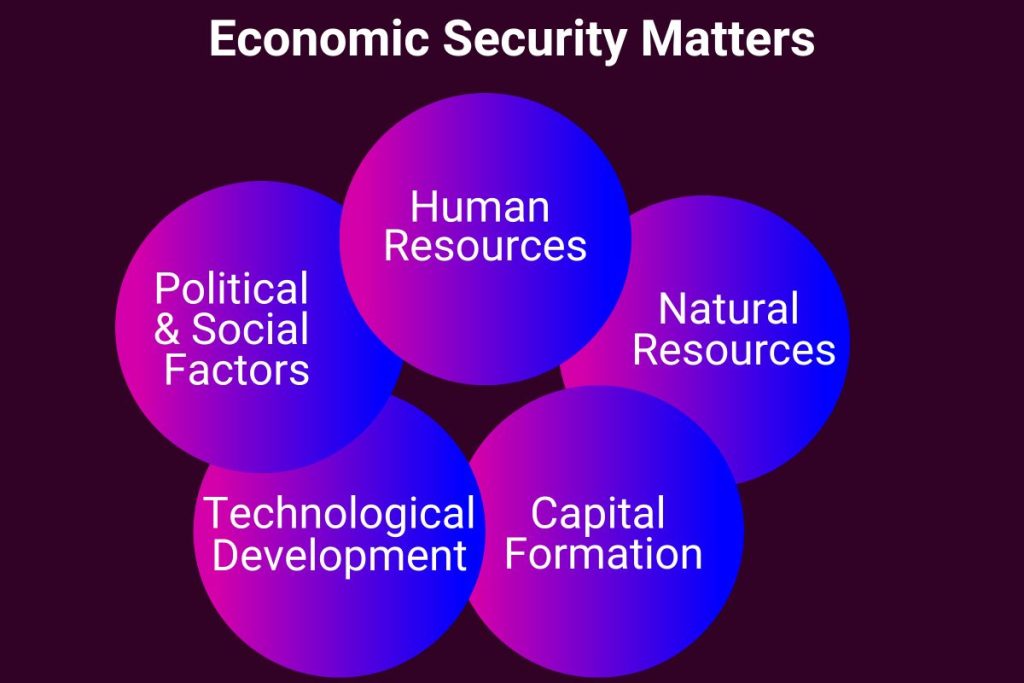
Economic Security Matters
Economic security matters deeply – because without it, everything else falters. It is the foundation upon which people build their lives, their dreams, and their future. Without basic security, there are fewer incentives to study, learn, and grow. Confidence suffers, hope diminishes, and families are forced to live day by day, dependent on luck and charity. That is not a dignified way to live.
Economic Security, Freedom, and Human Dignity
Economic security matters because freedom and dignity matter to every human being. It should equally matter to those in positions of leadership and service, especially in light of persistent economic and social challenges. True freedom cannot exist without a baseline of economic security – it is the bedrock that allows people to make choices, take risks, and thrive.

A Universal Right Recognised by the United Nations
From its inception, the United Nations recognised economic security as integral to well-being. Article 25 of the Universal Declaration of Human Rights states that everyone has the right to an adequate standard of living and security in the event of unemployment, sickness, disability, widowhood, old age, or other circumstances beyond one’s control. Advances in universal healthcare coverage, access to quality education, and promotion of decent work are key pathways to economic security.
The Universal Desire for Security
The desire for economic security is powerful and universal. People everywhere long for stability and the assurance that they can meet their basic needs today and plan for tomorrow. When this desire remains unmet, it fuels a growing gap between expectations and reality – a gap that breeds frustration, despair, and even political instability.
Towards a New Global Ideal
We need a new global ideal that recognises economic security as a human right, a universal concern, and a shared global responsibility. Promoting economic security on a global scale can help build international coalitions, improve coordination on labour rights and social protection, and ensure universal access to quality public services. This is not just a moral imperative – it is a practical pathway to a safer, more just world.
Growing Risks in a Changing World
Today, fears related to economic insecurity are rising rapidly. Globalisation, technological change, and shifts in the world of work have benefited many but left countless others behind. These trends have raised aspirations while intensifying fears, and they are compounded by new threats such as climate change and the COVID-19 pandemic.
Economic Insecurity in Developing nations
Economic Insecurity in Developing and Developed Countries
In developing countries, high levels of informal employment continue to destabilise income security. In developed countries, job insecurity, low-paying jobs, and prolonged unemployment are fuelling rising economic insecurity. Around the world, growing job insecurity means millions of people can no longer rely on stable, decent work to provide for themselves and their families.
Climate Change and the Uneven Impacts of Insecurity
Climate change is a looming threat that intensifies economic insecurity. Its impacts are widespread, but the poorest countries stand to lose the most. Climate uncertainty erodes people’s sense of security and increases anxiety about their well-being and future.

COVID-19 and Economic Insecurity: A Two-Way Crisis
The COVID-19 crisis and economic insecurity are deeply intertwined. The pandemic exposed and amplified pre-existing insecurities. Many low- and middle-income families lacked financial resources to weather the shock, especially where job insecurity blocked access to healthcare and social protection. Women, overrepresented in informal employment, have been disproportionately affected, revealing the deep inequalities that shape vulnerability worldwide.
Technology: Opportunity and Threat
Rapid technological change is transforming work, governance, and daily life, generating both opportunity and uncertainty. While technology connects people and expands access to knowledge, it also replaces jobs and erodes trust. Workers fear that robots and artificial intelligence will replace their roles, undermining confidence in their ability to sustain their livelihoods.


The Erosion of Trust in Institutions
Public discourse is shifting as news—both genuine and fake—spreads at unprecedented speed. Social media has amplified targeted information campaigns, manipulated public views, and influenced elections, undermining effective governance and trust in institutions. In this atmosphere, people’s sense of security continues to deteriorate.
You can help families in Uganda achieve economic security – restoring dignity, hope, and freedom to plan for a brighter future.
Donate today and be the reason a family breaks free from poverty.
The Urgent Need for New Policies
People living in poverty are increasingly exposed to risks from adverse events – from ill health to systemic shocks like climate change, pandemics, and deep social neglect. Yet even those far above the poverty line often feel economically insecure in today’s unpredictable world.
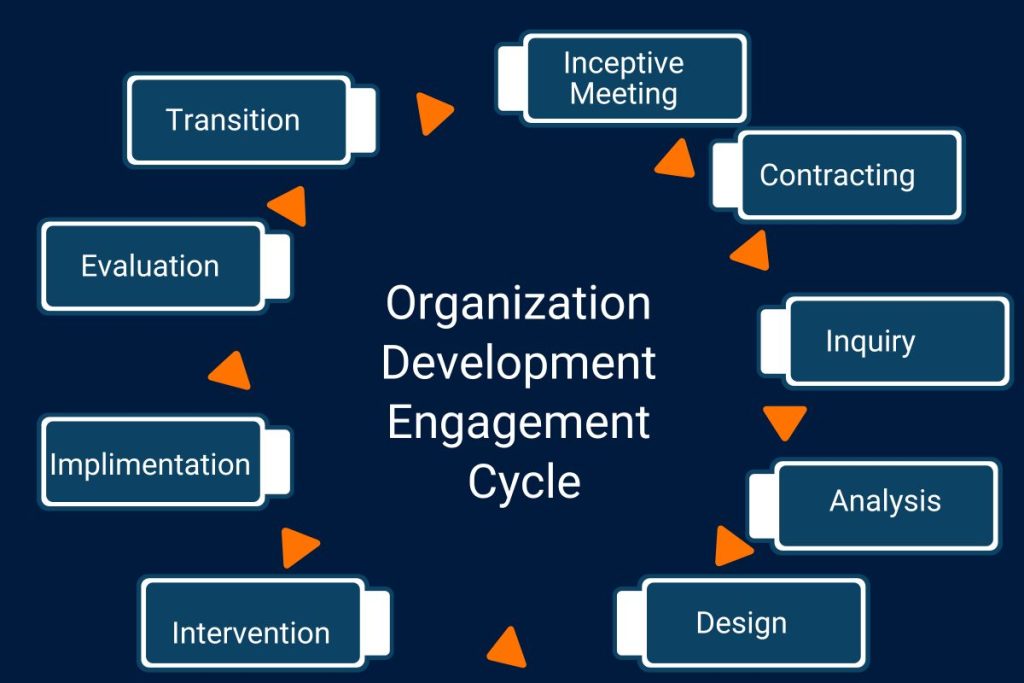
Societal Changes Are Leaving Vulnerable People Behind
Changes in family structures have weakened traditional support systems, while public institutions and policies struggle to keep pace with people’s rapidly changing needs. Emerging forms of employment driven by digitalisation and automation lack stability, yet access to social protection remains limited.
Globally, economic integration has increased competition among countries, including labour conditions, restricting national policy options. Today, social protection systems cover less than half of the world’s population – leaving billions unprotected.
Rising Costs and Deepening Insecurity
The soaring costs of healthcare, education, and housing fuel economic insecurity, threatening the stability of future generations. Privatisation has priced many out of essential services, pushing disadvantaged people deeper into poverty while eroding service quality for those who need it most.
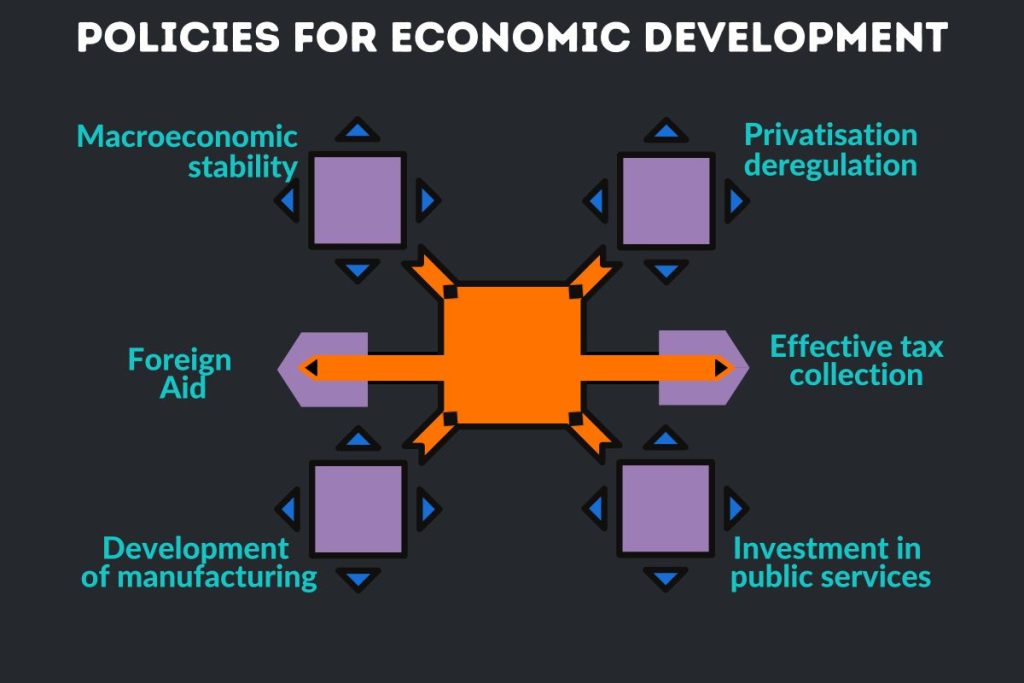
All these shifts demand that outdated policies be redrawn and updated to respond to the realities of modern life.
Why Measuring Economic Insecurity Matters
Robust measurement and analysis of economic insecurity are vital, especially in developing countries where social protection systems are weak, and informal employment levels are high. Health shocks, unemployment, and old age are major triggers for sudden income losses, with medical costs alone driving one-third of households into poverty. Often, a series of income shocks, compounded by debts taken to cover daily needs, paves the path to deep, enduring poverty.
Ensuring Economic Security in Busoga
Governments attempt to preserve economic security through social safety nets, but in regions like Busoga, where illiteracy and extreme poverty are widespread, deeper solutions are needed.
Investing in Behavioural Change and Training
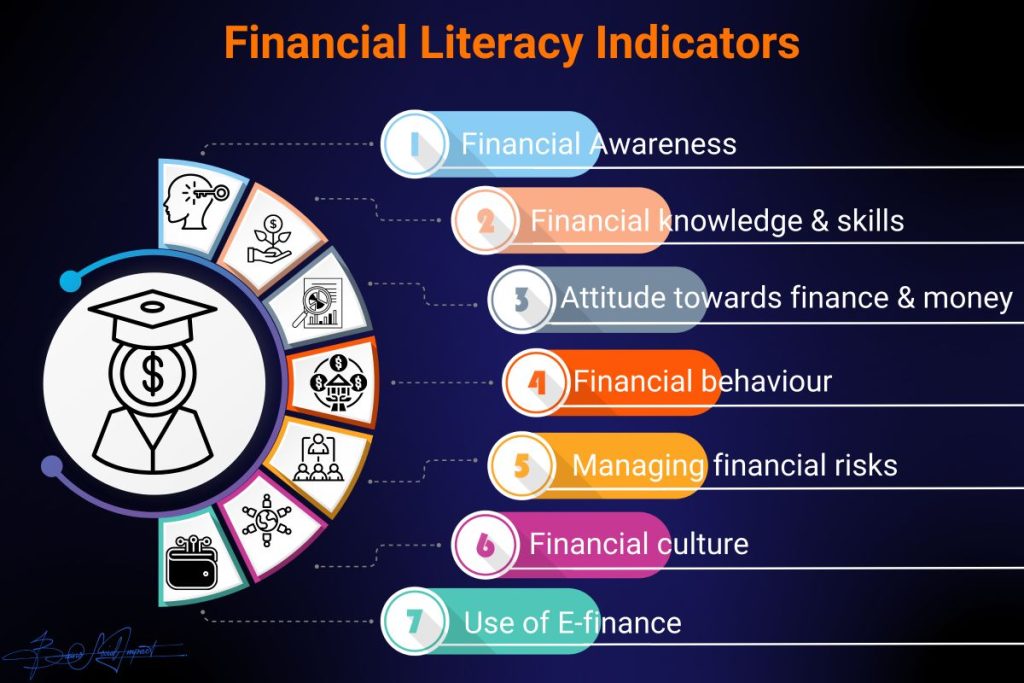
Programs must go beyond basic financial literacy to build true financial capability – helping people change behaviours, achieve goals, and sustain long-term wellbeing. Coaching, education, and training are essential to align people’s mindsets with program objectives; without this foundation, most interventions will fail to create meaningful results.
Building a Framework for Success
A structured training progression is needed for low-income families, serving as a guiding framework for critical services and support. Intentional, thoughtfully integrated approaches make it easier to achieve community objectives.
Through classroom training, in-field learning, coaching groups, and learning labs, participants can gain practical knowledge and skills. Ongoing education ensures they remain committed to their chosen pathways.
Understanding the Root Causes
True transformation begins when community members deeply understand their challenges – and uncover the hidden, long-term inequalities behind them. Only then can they design lasting solutions.
Encouraging Savings and Investments
Support programs must also encourage families to build savings for their children’s education and future investments. Trusted, low-cost, and accessible savings opportunities can be integrated into training, helping families turn dreams into reality.
Integrated Services for Lasting Change
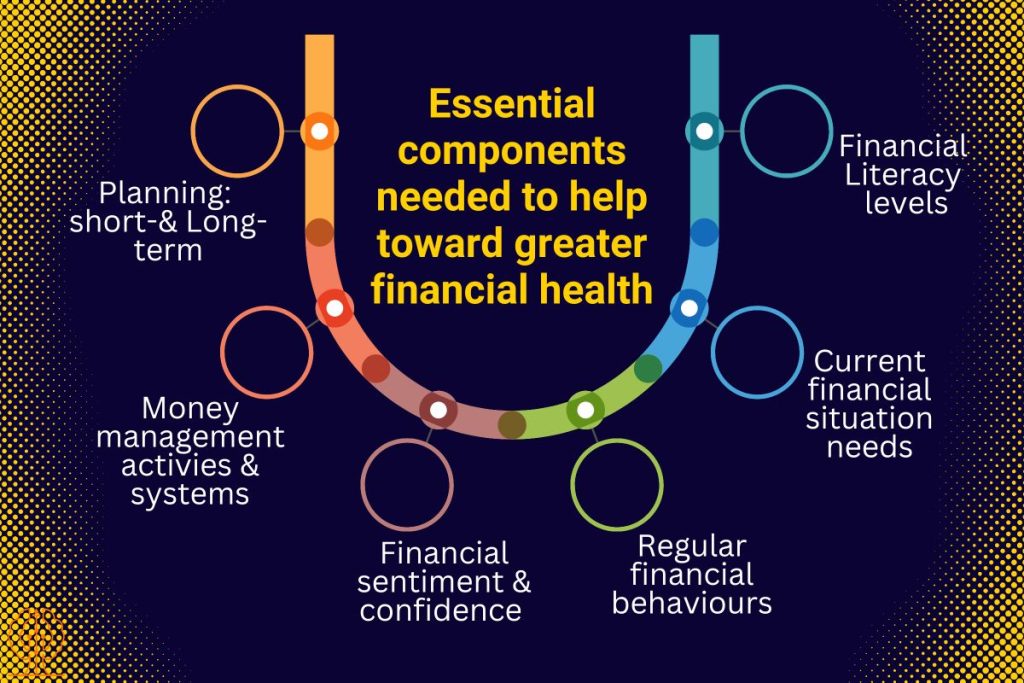
Research shows that organisations integrating three core elements – employment, income support, and financial coaching – make the greatest impact on financial stability and mobility. Consistent one-on-one coaching builds strong, long-term relationships, empowering clients to set goals, change behaviours, and overcome barriers to advancement.
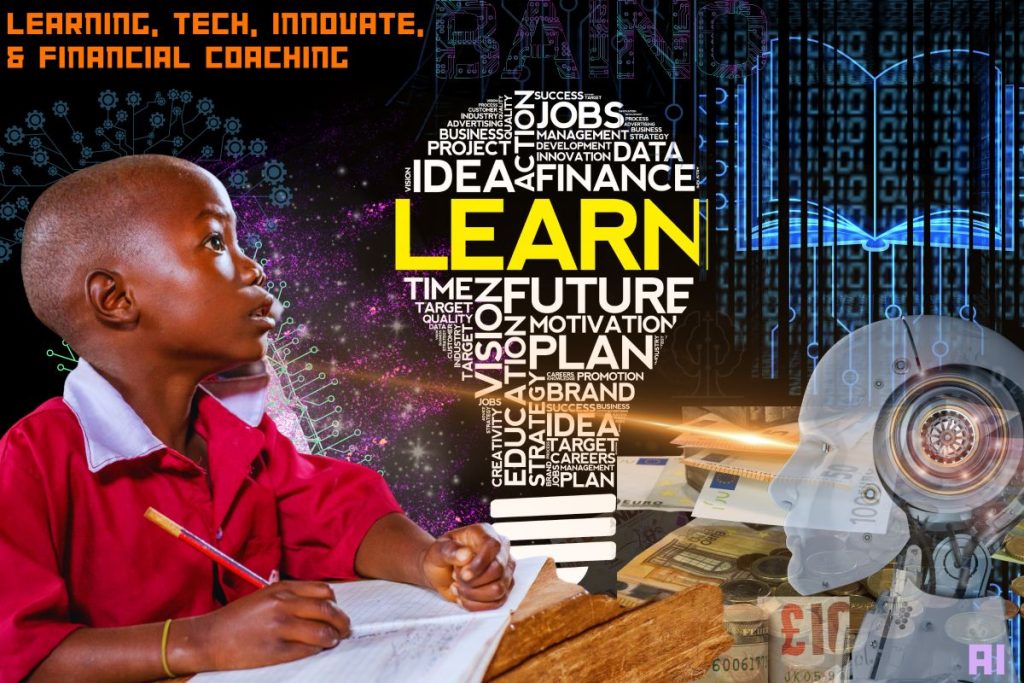
Collaborative Investment for Sustainable Impact
Investing in training programs and coaching services will drive families and entire communities towards lasting economic security. It builds a stronger, more collaborative ecosystem where dignity, opportunity, and self-sufficiency flourish.
*
Join us in building economic security for families in Uganda’s most underserved communities. Your support can transform vulnerability into confidence, dependency into self-sufficiency, and poverty into prosperity.
Donate now to create lasting change.