
Part III — The Moral Architecture That Holds Progress Together
Before continuing, it is worth pausing to notice what is shifting here.
The reflections so far have traced how generosity and learning extend responsibility outward, shaping how Western societies engage the wider world. What follows moves closer still; beneath policy and practice, toward the moral architecture that allows those systems to endure at all.
At this stage, we’ve come to see that progress does not hold together through goodwill alone; it rests on deeper commitments: to the dignity of the human person, and to the discipline required to honour that dignity consistently over time. In this third part, admiration gives way to examination, not of what is celebrated, but of what quietly sustains everything built upon it.
4: Your Respect for Human Dignity and Equal Worth
No society has perfected equality.
Not the West.
Not the rest of us.
But you have made it a collective pursuit.
A public commitment.
You have written the idea of equal worth into your laws,
your classrooms,
your art,
your public conversations.
You turned human rights into a shared moral vocabulary,
so influential that even your critics borrow its language.
That is progress.
Not perfection,
but conscience.
From civil rights to gender equality,
you have shown the world that justice is not a destination reached once,
but a long journey walked together.
One protest.
One policy.
One apology at a time.
Even in moments of tension,
your societies lean toward inclusion.
For women.
For minorities.
For people with disabilities.
For those whose voices history once ignored.
Still imperfect.
Yet deeply admirable.
You Confront Yourselves With Moral Courage
There is moral courage in how you argue with yourselves.
In how you revisit your own history.
In how you question institutions
and still choose to move forward.
Your movements for justice can be loud,
messy,
uncomfortable.
But they are proof that your societies still have a heartbeat.
You do not silence the demand for fairness.
You make room for it.
The world watches you wrestle with your own shadows,
not because you enjoy conflict,
but because you understand something essential:
A society unwilling to confront itself
is a society unprepared to grow.

Not All Crusades Heal, but Your Deeper Instinct Often Does
It is true.
Not every moral crusade travels gently.
Some arrive harshly.
Shaming instead of shaping.
Condemning instead of educating.
Fracturing instead of healing.
Yet beneath the noise lies a deeper moral instinct in the West,
the instinct I choose to honour here.
It is expansive.
Hopeful.
Human.
It challenges without destroying.
It reforms without erasing.
It corrects not by burning what came before,
but by building on it with care and wisdom.
That is the West I admire.
A civilization willing to wrestle with its own soul,
yet refusing to grow indifferent.
And that refusal matters.
It has taught many of us something insightful:
Justice is not a prize claimed once.
It is a discipline renewed daily.

What We’ve Learned at Baino Social Impact
Let me confess something personal.
Your discipline matters to me.
So much so that it became the first word in our motto at Baino Social Impact:
Discipline and Interdependent Independence.
Because the fight against poverty and illiteracy
is not only a fight for books or classrooms.
It is a fight for dignity.
The kind that cannot be handed down or taken away,
only awakened.
When a child learns to read.
When a community rediscovers its worth.
These are quiet human-rights victories.
They are our way of saying,
we too believe in equal worth.
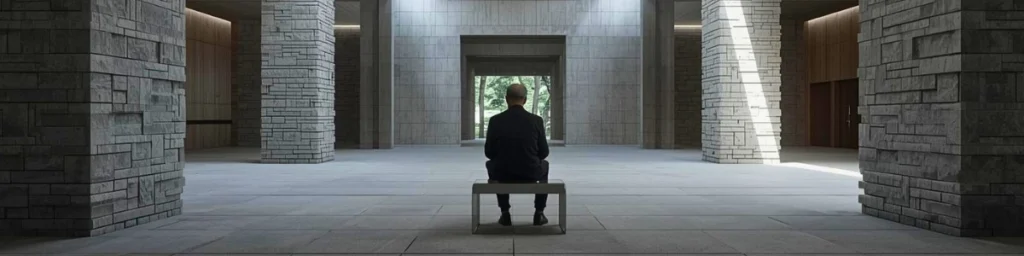
Dignity Is the Inheritance We Share
When we fight illiteracy,
we are not merely transferring knowledge.
We are restoring self-worth.
A child who can read their own name
begins to reclaim their place in the human story.
Our mission is built on this conviction:
every person deserves to live with dignity,
regardless of birth or circumstance.
Dignity is the one inheritance
that multiplies when shared.
And on that front,
the West has given the world a remarkable example.
Perhaps that is why your societies remain magnets for free souls.
Because behind your laws and institutions
lies a freer way of thinking.
One that does not fear debate,
self-reflection,
or reform.
Freedom may open the door.
But discipline,
the kind you have practiced,
is what walks through it.
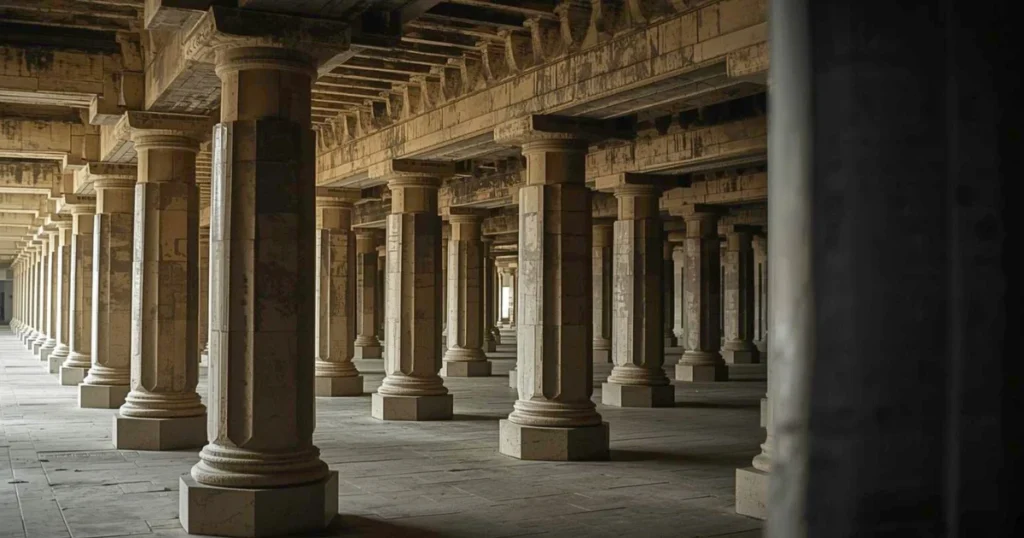
5. Discipline: The Quiet Power Behind Your Progress
There is a virtue you carry that rarely makes headlines.
It is not flashy.
It does not demand attention.
It does not shout.
Yet it endures.
Discipline.
You practice discipline not only in your schedules,
but in your inner posture toward life.
You build routines that protect long-term goals.
You show up even when it is uncomfortable.
You follow through even when no one is watching.
This is how continuity is built.
Because discipline is not simply about waking early
or meeting deadlines.
It is consistency practiced over time.
It is choosing the long road instead of the shortcut.
It is honouring commitments long after applause has faded.
It is the quiet courage to continue.
You Show Up, Even When Momentum Fades

In many parts of the world, progress comes in bursts.
Hope flares, then flickers.
Plans begin with enthusiasm
and quietly dissolve with time.
But you persist.
You give monthly.
You volunteer steadily.
You build institutions meant to outlive excitement.
You understand something subtle but decisive:
progress is not an event.
It is a rhythm.
That understanding has shaped our approach at Baino.
It is why we build campaigns meant to endure,
not merely inspire.
Why we commit to communities hardest to reach,
not only when it is convenient,
but when it is necessary.
You have shown us that real service
often happens without noise.
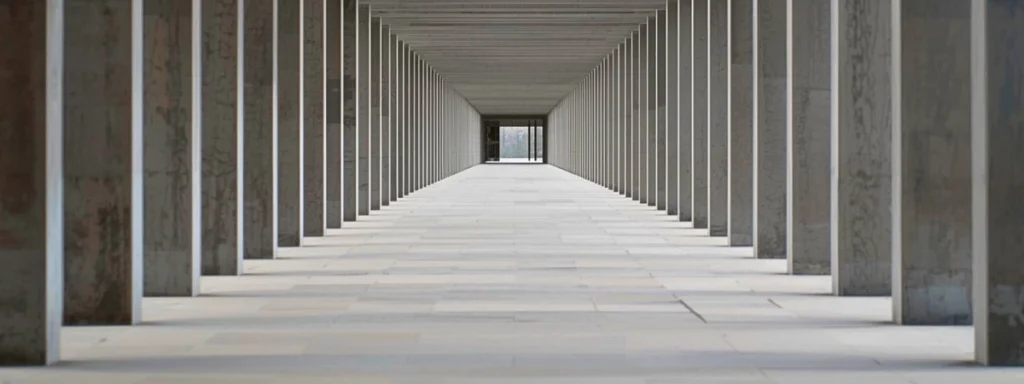
Discipline Is the Soil Where Dignity Grows
To be clear, discipline alone does not guarantee wisdom.
It can become rigid.
It can preserve what should evolve.
It can protect systems long after they stop serving people.
But at its best,
discipline does something rare.
It turns care into structure.
Intent into continuity.
Compassion into responsibility.
It becomes the soil where dignity grows.
Behind every school sustained,
every classroom maintained,
every book kept in circulation,
every life steadily transformed,
there is usually no spectacle.
Only consistency.
Your societies have modelled this clearly.
Progress not as a sprint,
but as a rhythm strengthened over time.
You have taught us that the most enduring movements
are not the loudest,
but the most faithful.
For that lesson,
we are grateful.
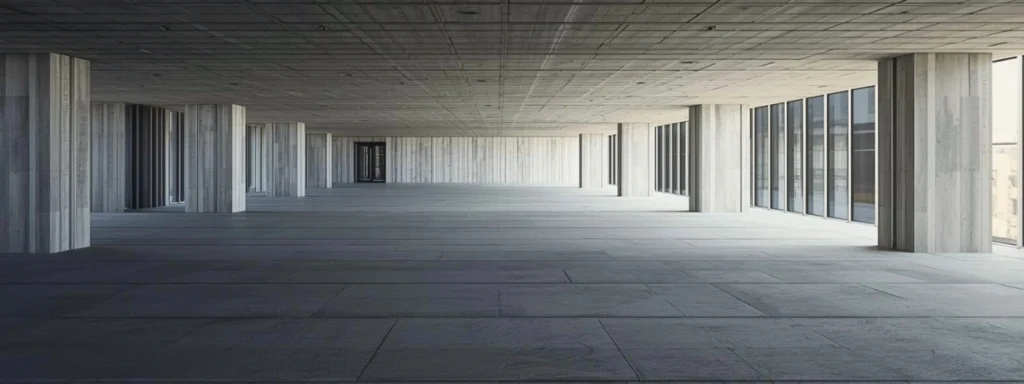
Virtues Renewed Daily, Systems Sustained Over Generations
As we close this third segment, I return to a quiet truth:
The qualities we have traced so far:
your respect for systems,
your generosity beyond borders,
your culture of lifelong learning,
your discipline,
these are not cultural quirks.
They are choices, renewed daily.
They are habits refined across generations.
They are moral frameworks — often invisible —
that allow societies to stretch, adapt, and endure.
And they have shaped us as well.
At Baino Social Impact, we draw from these strengths every day.
We build structure where chaos once had room.
We cultivate consistency where unpredictability once ruled.
We invest in learning because you have shown us
that curiosity is a form of dignity.
We lean into discipline because you have demonstrated
that discipline is not rigidity;
it is care organised over time.
These virtues travel.
They outlive borders.
They belong to no single continent.
They remind us that progress is never the achievement of one culture alone,
but a shared inheritance,
one we are still learning how to protect, refine, and pass forward.
This is where Part Three settles.
Not as a pause,
but as another layer laid.
Looking Ahead: When Lightness Becomes a Strength
There is one remaining quality that completes this picture:
softer in appearance,
often overlooked,
yet quietly transformative.
Next: Your Lightness of Engagement and of the Mind
In the final chapter of this series, we turn to a virtue that rarely announces itself,
yet deeply shapes how you create, lead, and live:
a way of engaging the world with curiosity rather than defensiveness,
with openness rather than fear,
with humour, humility, and a willingness to try.
It is a lightness that makes experimentation possible,
softens conflict,
and gives people room to breathe.
Once recognised, it becomes difficult to ignore.
And after this final chapter,
the series closes not with a conclusion,
but with a reflection,
one that draws together admiration, learning, and responsibility,
and points toward the shared future these virtues quietly make possible.
Part Four does not introduce something new.
It reveals what has been holding everything else together.
Institutions may carry progress forward, but it is dignity and discipline that quietly hold them together.