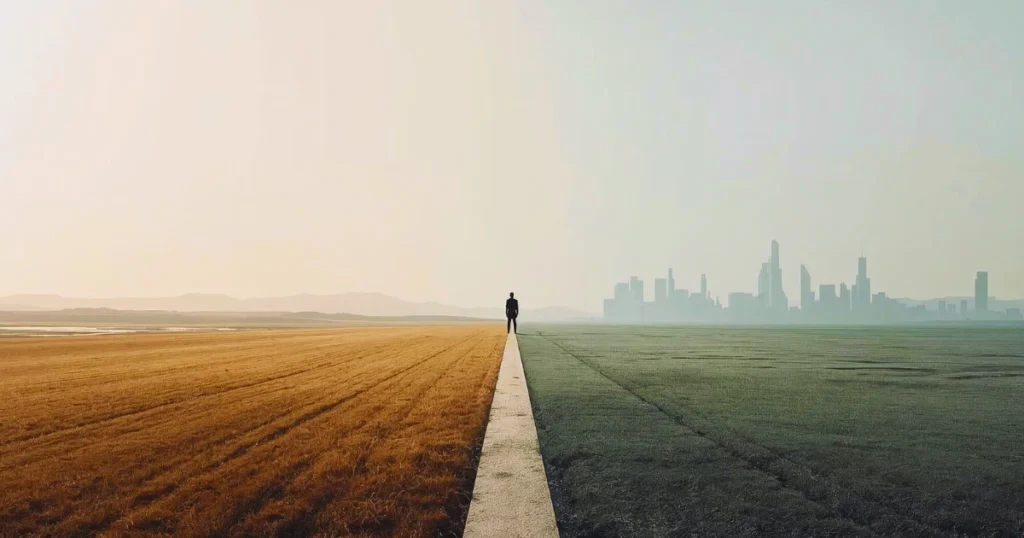
The Intellectual Architecture Behind Baino Social Impact
A Worldview of Dignity, Literacy, and Human Possibility
Progress is never an accident. It is the quiet result of dignity protected, literacy cultivated, and structures built with intention.
This essay reflects how Baino Social Impact thinks about poverty, illiteracy, and human dignity—not as abstract problems, but as lived realities shaped by systems, choices, and responsibility. It brings together reflection from the field, institutional learning, and moral clarity to articulate a worldview: that lasting change begins with how we understand people, purpose, and progress.
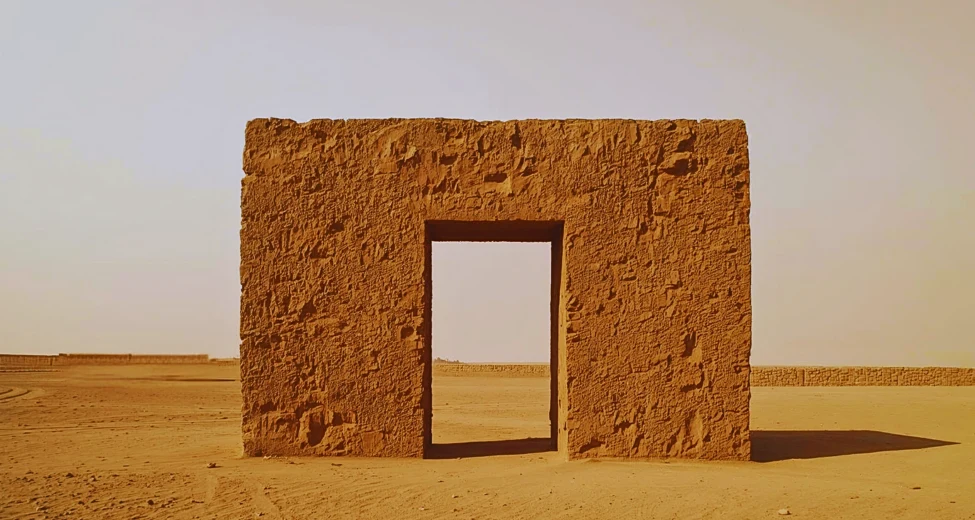
Standing Between Two Worlds
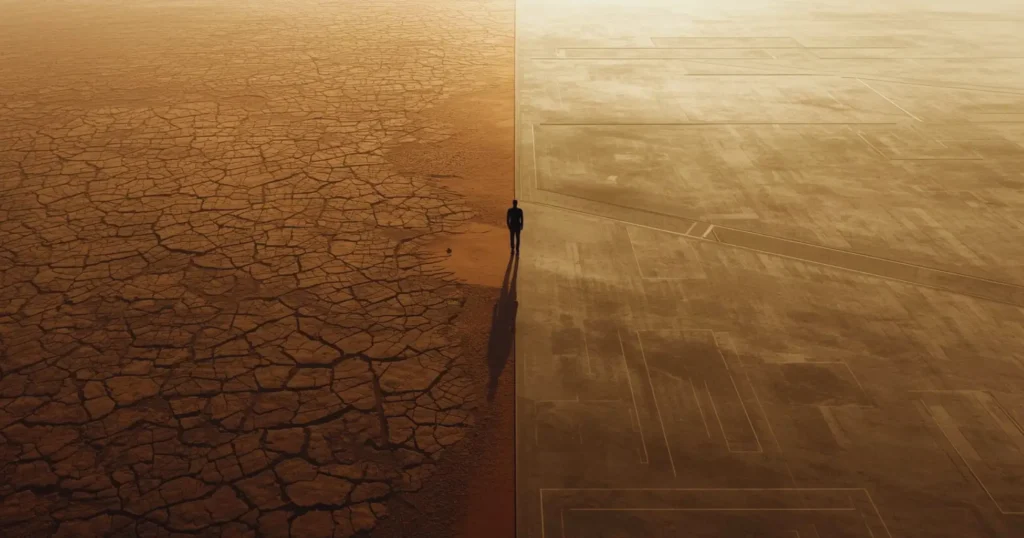
I was born and raised in Uganda — in communities held together by endurance, scarcity, and a deep instinct for collective life.
Years later, I moved to the West, where I spent almost two decades studying, working, and, for a time, teaching within a different social rhythm — one shaped by literacy, systems, and a disciplined respect for order.
Crossing from one world into another did more than broaden my horizons.
It restructured the way I understood progress — what enables it, what sustains it, and what quietly prevents it.
And so today, I do not fully belong to one world or the other.
I stand between them — learning, translating, questioning, and honouring the virtues each has given me.
Baino Social Impact was born from that in-between space —
a place where perspective becomes responsibility,
and where a life lived across two worlds becomes a bridge not of sentiment, but of structure, clarity, and hope.
I. The Lessons That Shaped My First World
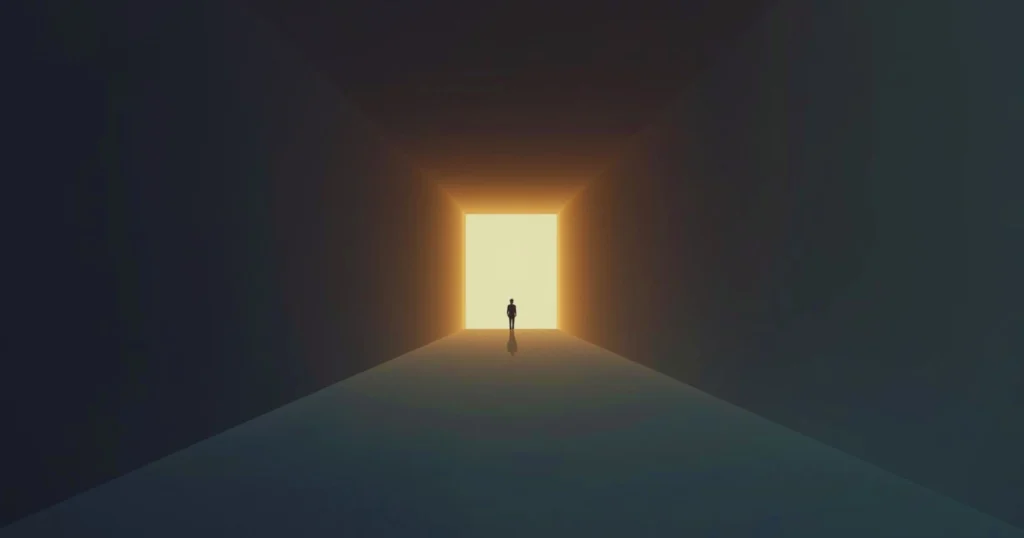
The Uganda of my childhood taught me resilience in its rawest form.
Children walked long distances to reach school.
Mothers fought for their daughters’ futures with nothing but faith and stubborn hope.
And boys, full of potential, learned early to swallow their dreams — not for lack of desire, but because they lived inside systems that could not hold those dreams.
Entire families carried dignity through conditions that too often conspired against it.
I did not encounter poverty as a statistic.
I learned it as a daily negotiation —
a quiet reshuffling of priorities, a constant balancing of what must be sacrificed so something else can survive.
And I saw how the absence of literacy steals choices, silences potential, and quietly clips the wings of whole communities.
From that world, I learned strength — real, unpolished strength —
but I also learned a harder truth:
Resilience without structure becomes survival.
And survival, by itself, is not a future.
The next stage of my life did not erase those early lessons.
It confirmed them — and it sharpened them.
It showed me what becomes possible when resilience meets structure, and when a society chooses to build the future instead of leaving it to improvisation.
Those early lessons stayed with me — shaping how I understood struggle, dignity, and the quiet strength people carry when the world gives them little to lean on.
II. The Lessons That Reshaped My Second World
Arriving in the West did not replace what Uganda had taught me; it reframed it.
It showed me how intention, when embedded into systems, can turn resilience into progress.
Living here confronted me with a different kind of strength —
quiet, intentional, often invisible, yet deeply transformative.
I saw time treated as dignity.
I saw systems treated as commitments.
I saw literacy treated as a public good, not a privilege.
I saw curiosity treated as a civic duty.
I saw human rights treated as a shared moral language.
These habits did not erase the West’s imperfections.
But they revealed something essential:
Progress is not luck.
It is designed — deliberately, quietly, and across generations.
And these insights did not reach me as theories.
They came through real people — colleagues, neighbours, immigrants, sceptics, dreamers —
each carrying their own story of what works, what fails, and what must be reimagined.
Living here reshaped me,
not because the West is flawless,
but because it is intentional.
Understanding two worlds gave me perspective,
but perspective alone is not purpose.
Purpose emerges only when insight demands action —
and building something that honoured both worlds became the real beginning.
III. The Lessons From the World I Began to Build
When I founded Baino Social Impact — a nonprofit registered in Canada and operating in Uganda to fight poverty and illiteracy through education — I believed compassion would be enough to build a strong foundation.
I told myself:
If I work quietly, deliver results, and let the work speak for itself, support will naturally come.
So I funded everything myself. Part of that was practical, but much of it was protective. I wanted to steer clear of the familiar shadows that trail nonprofits — the lingering scepticism about how funds are used, the off-hand comments that only a few cents per dollar ever reach those in need. I convinced myself that if I removed any hint of dependency, then those doubts could never be attached to our early work.
I was also aware of a familiar, often unspoken pattern in our sector — the assumption that African nonprofits gain legitimacy only when a Westerner stands behind them.
I wanted Baino’s beginnings to reflect something different: local agency, local vision, and local responsibility. Not in rejection of partnership, but as a foundation strong enough to welcome it later with clarity and balance.
At the time, carrying the weight alone felt like a clean way to outrun both misconceptions at once.
But that belief was a miscalculation — not of intention, but of structure.
In time, I learned — painfully and honestly — that meaningful impact does not grow from individual effort alone. It requires community, shared responsibility, and the humility to let others hold part of the mission from the very beginning.
Community support is not an accessory to the work; it is the work.
It is not optional; it is the strategy.
I saw what happens when momentum rests on one person.
I saw how communities can deeply value education and still lack the systems to act on that value.
And I saw how distrust toward nonprofits — shaped by history, politics, and too many broken promises — is not cynicism; it is realism.
Those early challenges humbled me, yes, but they also clarified me.
They taught me something more important than early victories:
- Hope collapses when its foundation is weak.
- Impact requires structure, discipline, and collective belief.
- Empowerment through education in Africa requires intentional systems, shared responsibility, and structures that turn hope into durable change.
These lessons did not discourage the work.
They strengthened it.
They reshaped Baino from a hopeful initiative into a strategic effort —
one built not on sentiment, but on systems capable of lasting beyond any single individual.
But even as these lessons reshaped how I built Baino, they were echoing something I had understood long before — a truth I first encountered in my early days in Canada, when a single moment revealed what literacy, dignity, and social design can make possible.
IV. The Moment That Made Literacy My Destiny
Before I ever stepped into nonprofit work, I understood the quiet forces that shape a child’s future — and literacy was the one that kept returning to me.
I am a trained professional teacher from Uganda,
and when I moved to the West, I returned to school and became a certified teacher here as well.
This dual training sharpened how I interpret the world — especially given my field of focus:
Child Growth and Development, and the ways environment, opportunity, and social conditions can either nurture potential or quietly suffocate it.
At the heart of all of this lies one force: literacy — the gateway that shapes what a child can become.
There is a moment from my early days in Canada that still returns to me.
One cold morning, I saw a homeless man sitting on a street corner, reading a book.
With the instinct of someone shaped by Ugandan realities, I found myself thinking:
“What is a literate man doing here?”
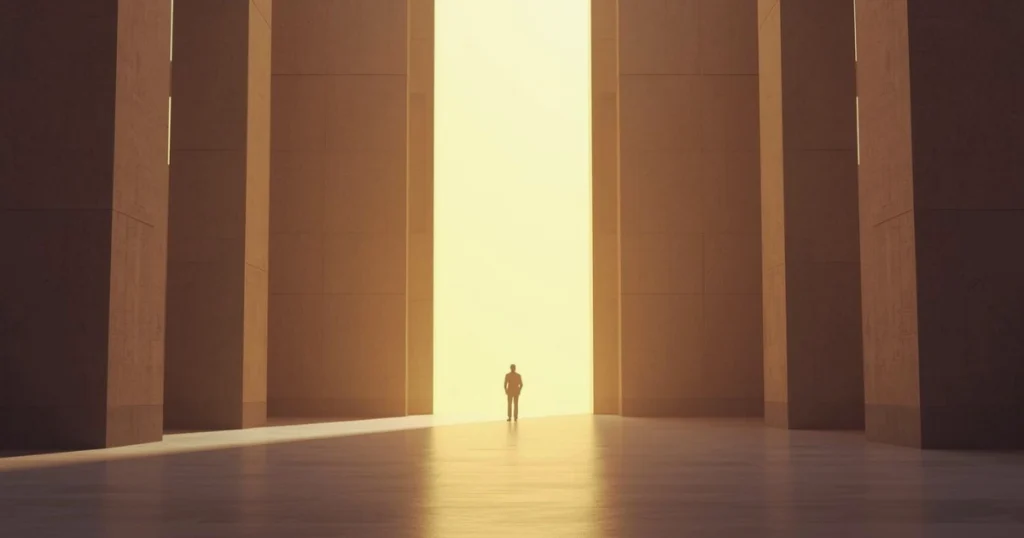
Where I come from, literacy signals privilege.
It is the ladder to opportunity, the proof that doors might open.
To me, in that moment, this man seemed out of place — not because he was homeless,
but because he carried a skill that, in my world, protects you from sinking that far.
But very quickly, I grasped a deeper truth.
Here, literacy is air —
a public inheritance,
a common resource,
a birthright that society makes available to all.
The very next day, I walked into a public library for the first time.
It was warm, quiet, free — and full.
Full of readers.
Full of possibility.
Full of the calm dignity that comes from access.
Standing in that library, I understood instinctively that this society had engineered literacy.
It did not leave it to chance.
It built systems to protect it, fund it, and democratize it.
That moment anchors everything I now believe about poverty, literacy, and human dignity.
Because when literacy becomes public truth rather than private privilege,
whole societies can rise.
V. The Architecture That Unites My Two Worlds Into One Purpose
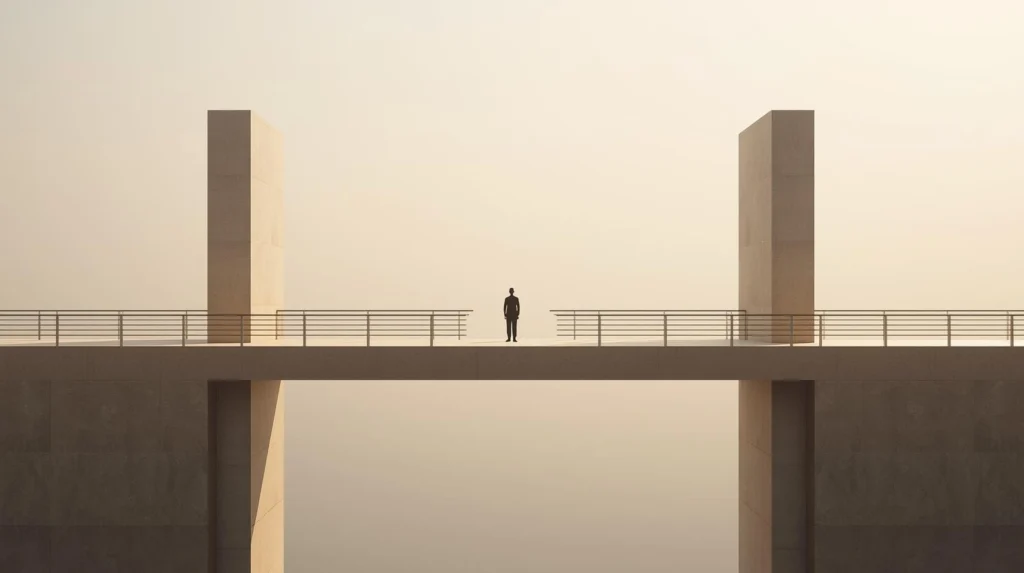
What I witnessed in that library — a society that intentionally builds the conditions for people to rise — stayed with me. It became clear that dignity does not appear by accident; it emerges from design, from choices made upstream long before a child arrives at the doorstep of opportunity.
Baino Social Impact was born from that understanding.
Baino Social Impact is not merely an organisation.
It is the meeting point of my two worlds — a bridge where virtues become practice,
and where empathy grows into something sturdier than sentiment.
Baino exists because compassion alone is never enough.
Dignity requires structure.
Justice requires architecture.
And hope, if it is to last, must be built on something stronger than goodwill.
Our philosophy rests on six pillars:
- Systems children can rely on
- Literacy that frees the mind
- Discipline that sustains progress partnerships rooted in belief, not pity
- Structures that outlast emotion
- Empowerment that begins with people, not programmes
Through Baino, I try to bring together the resilience of Uganda
and the disciplined systems of the West —
not to imitate either world,
but to build a model capable of standing, growing, and enduring.
VI. The Future This Work Is Designed to Build

Having built the philosophy that guides our work, the next question becomes simple:
What future is this architecture meant to create?
I believe literacy is the foundation of dignity.
I believe it is the doorway out of generational poverty.
I believe every child deserves the freedom of thought that shaped my own life.
And I believe progress is a discipline — not an event.
When I look at the communities we serve, I do not see weakness.
I see an underdog ready to rise — if given the right tools, the right structure, and the right chance.
This belief shapes our long-term vision:
to help transform an underdeveloped, low-literacy society into a highly literate one —
breaking the cycle of poverty and laying the groundwork for dignity, development, and agency.
It is a vision we aim to pursue within our lifetime —
strongly, deliberately, and sustainably.
And a vision like this cannot be carried alone.
VII. Your Invitation Into the Work Ahead

If you’ve journeyed with me to this point, then you understand the space I am trying to inhabit —
not activism,
not noise,
and not charity in its most familiar sense. It is something quieter.
Something steadier.
A different kind of space:
- a space of reflection
- a space of disciplined hope
- a space grounded in values
- in integrity
- in humility
- in thoughtful cooperation
- in respect for what works
- in a commitment to dignity over spectacle
This work is not about saving anyone.
It is about building — strongly, deliberately, and with moral clarity —
a bridge sturdy enough for ideas, opportunity, and hope to move freely between worlds.
And no bridge like that is built by one person.
It is built by people who believe that literacy is dignity,
that structure is justice,
and that progress is a discipline worth practising together.
If this speaks to you, then I welcome you.
There is work to do.
And we can build it together —
one mind,
one child,
one quiet virtue at a time.
Because in the end, the future does not arrive.
It is made — quietly, patiently, and together.
Author’s Note
Every organisation is built twice: first in the mind of its founder, and later in the world it seeks to serve.
This Foundational Worldview Essay reveals that first architecture — the inner framework from which Baino Social Impact draws its purpose.
I offer it with humility, and with the hope that it brings clarity to the values shaping our work.
Peter Kalyabe
Receive Hope Wins
If the ideas in this essay spoke to you, you may value Hope Wins — a collection of 15 concise reflections on discipline, literacy, and the kind of progress that endures.
Each reflection is a quiet companion that echoes the worldview shaping our work.
We would be delighted to share it with you.
Subscribe to our YouTube channel— a space for disciplined ideas, literacy, and the structures that shape lasting progress.

To support this work is to invest in structures, discipline, and literacy that make lasting progress possible.
Give with intention.