In rural Uganda, lack of clean water fuels disease, poverty, and inequality — killing more people than all forms of violence, including war.
The Power of Clean Water
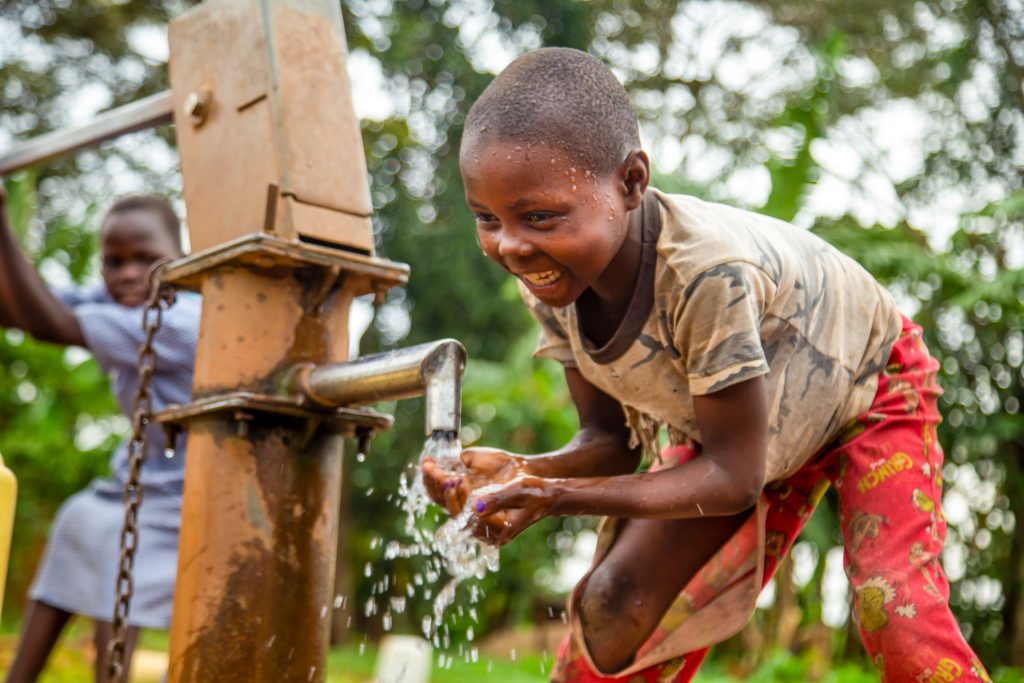
Access to clean water is more than a necessity — it is a catalyst for change. In rural Uganda, it means better health, improved school attendance, economic stability, and restored dignity.
But in Busoga, where many families still rely on unsafe or seasonal sources, clean water remains a distant hope. A reliable, permanent water solution is urgently needed to end the region’s recurring water crises and create a foundation for lasting development.
Donate now. Help turn water into life.
According to the UN, diseases from contaminated water kill more people every year than all forms of violence — and nearly half of those lost are children under five.
Even simple sanitation improvements could save over 16,000 lives annually. That is the scale of impact we’re working to achieve.
Your support can help us bring clean, safe, and lasting water access to Uganda’s most vulnerable communities.
Water Sources
Improved water sources:
- Piped water
- Protected springs
- Deep boreholes
Unimproved sources:
- Unprotected wells
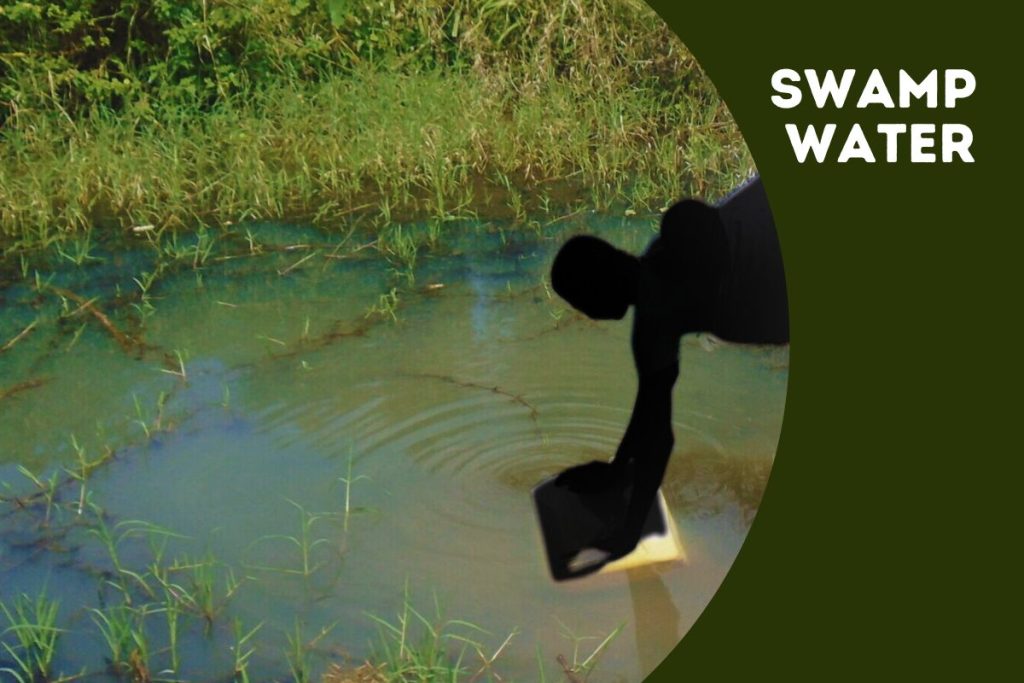
- Surface water (rivers, ponds, lakes)
The Human Cost
In Africa, women and girls spend 40 billion hours annually fetching water.
Clean water means more time to grow food, earn income, and attend school — critical to Busoga’s fight against poverty, illiteracy, and poor health.
💧 Quality water correlates with:💧
- Higher sanitation standards
- Better literacy rates
- Economic growth
- Improved air quality
Key Survey Findings
- 41% of water fetchers: adult females
- 22%: female minors
- 95% of households travel ~3 km to reach safe water
- 30 mins average trip + 25 mins waiting time
Source types:
- 34%: boreholes
- 29%: unimproved sources (33% rural, 16% urban)
Community trends:
- 42% reported improvement in safe water access
- 22% saw deterioration
- 28% saw no change
Protecting Water Catchment Areas
Catchments: Natural areas where rainwater collects, feeding rivers, lakes, or groundwater.
Key threats:
- Agriculture + irrigation
- Deforestation
- Wetland reclamation
- Urbanization
- Industrial pollution
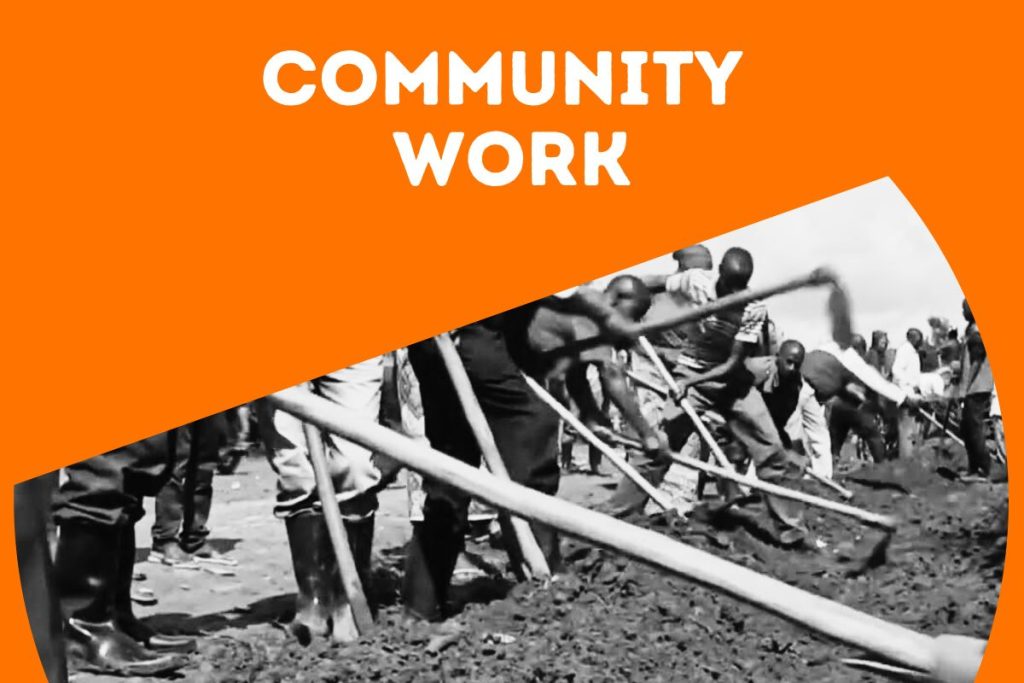
Community actions:
- 38% took protective steps
- 32% prevented wetland encroachment
- 23% planted trees
- Others adopted varied conservation methods
️ Busoga has seen extensive deforestation, contributing to climate challenges and water stress.
Environment
Environment
- Southern Busoga: ~60 inches (152 cm) of annual rainfall (Lake Victoria’s influence)
- Northern Busoga: ~40 inches; savanna + deciduous trees
Busoga’s landscape:
- Lake Victoria + Lake Kyoga basin
- Papyrus swamps + short grasslands
- Historically called Uganda’s “food basket” — once fertile, peaceful, and loving
Clean water access is the invisible thread connecting health, education, gender equality, and climate resilience in rural Uganda. In Busoga, the lack of it robs families of time, health, and dignity — especially women and girls who bear the burden of collecting unsafe water every day.
This is not just a water crisis — it’s a barrier to human progress. Energy is lost, futures are delayed, and a region once known as Uganda’s “food basket” is now struggling to survive.
At Baino Social Impact, we are committed to unlocking sustainable clean water solutions that improve lives and protect the environment. When we protect water catchments, reduce dependence on biomass fuels, and deliver reliable safe water, we do more than quench thirst — we spark possibility.
Be part of this transformation. Help expand access to clean water in Uganda’s most underserved communities.
Donate now — and bring health, dignity, and growth to where it’s needed most.