How Baino Builds Change
A structured approach to making learning possible, usable, and sustainable over time
Lasting progress does not come from isolated interventions.
Our work is therefore not a collection of activities.
It is a system built with structure, patience, and consistency,
so that literacy, dignity, and opportunity can take root and endure.
Learning begins with conditions, unfolds within the learner, and is sustained by the community.
This system is organised through five interlocking pillars,
each one strengthening the conditions through which learning begins, develops, and endures within real communities.
Each pillar strengthens a different condition required for learning to take hold and continue.

PILLAR 1
Community Care
Makes learning possible
Stability and care that allow learning to begin where it would otherwise be interrupted.
When daily life is unstable, learning cannot begin.
Before learning can grow,
it must first be held within conditions
that do not collapse beneath it.
Learning cannot take root where daily life is unstable.
Where hunger, uncertainty, or isolation interrupt the rhythm of growth.
Baino works with communities to stabilise these conditions by strengthening
support systems around children and families.
This creates environments where safety, consistency, and connection make learning possible.
When these foundations are in place, literacy is no longer an effort against circumstance.
It becomes part of everyday life.
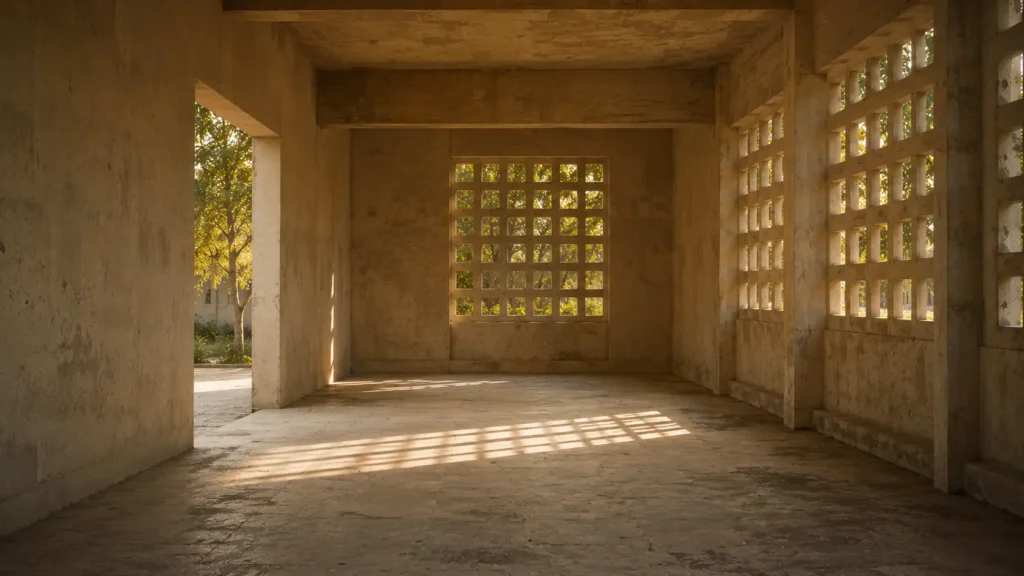
Why Learning Begins with Stability
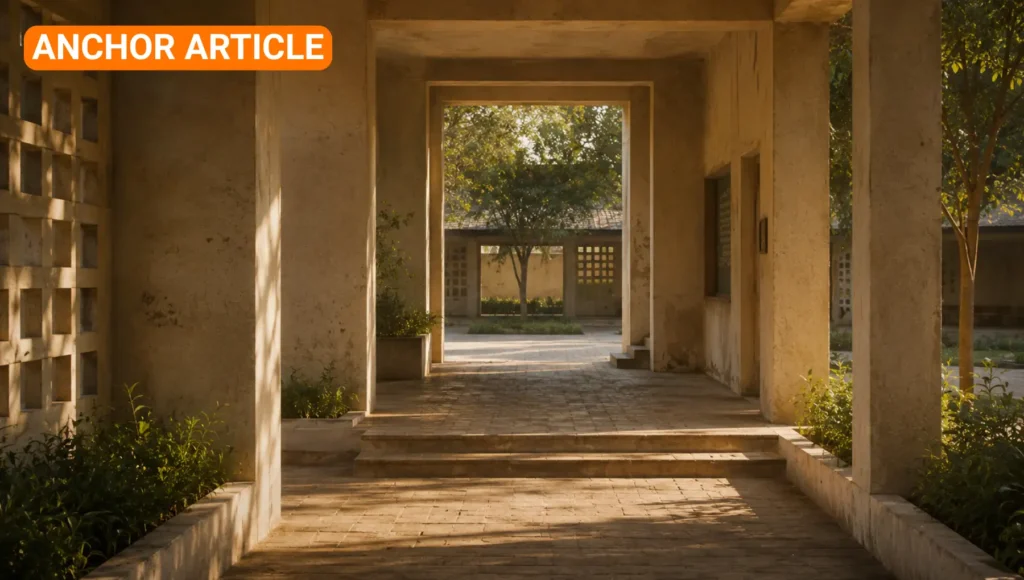
How Stability Shapes Attention, Trust, and Learning
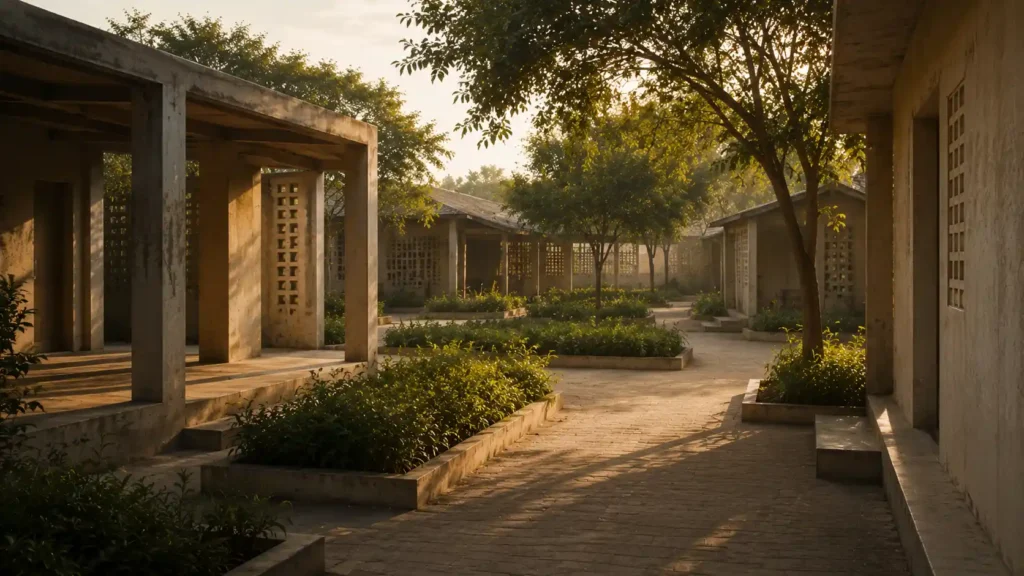
How Communities Shape the Course of Learning
Progress does not arrive on its own.
It is built through conditions that quietly determine whether learning can begin at all.
Long before learning is visible, the learner is responding.
In how they focus, how they trust, and whether they return at all.
Learning does not move through individuals alone.
It moves through communities as patterns that either hold or break over time.
Read article →
Read article →
Read article →
PILLAR 2
Pathways
Makes learning usable
The pathways that carry learning into participation.
When Pathways Are Missing, Learning Struggles to Become Participation.
Learning cannot remain within instruction alone.
It must be carried into participation over time.
Learning can begin and still struggle to move forward.
Not because it lacks value,
but because the structures that carry it into participation remain weak, fragmented, or absent.
In many environments, learning develops within systems that do not consistently extend beyond instruction itself. Transitions remain uncertain, and progress struggles to continue across stages of life.
When pathways weaken, learning risks becoming disconnected from participation over time.
Baino strengthens the structures, transitions, and forms of continuity that allow learning to move beyond preparation and into meaningful participation in the world.
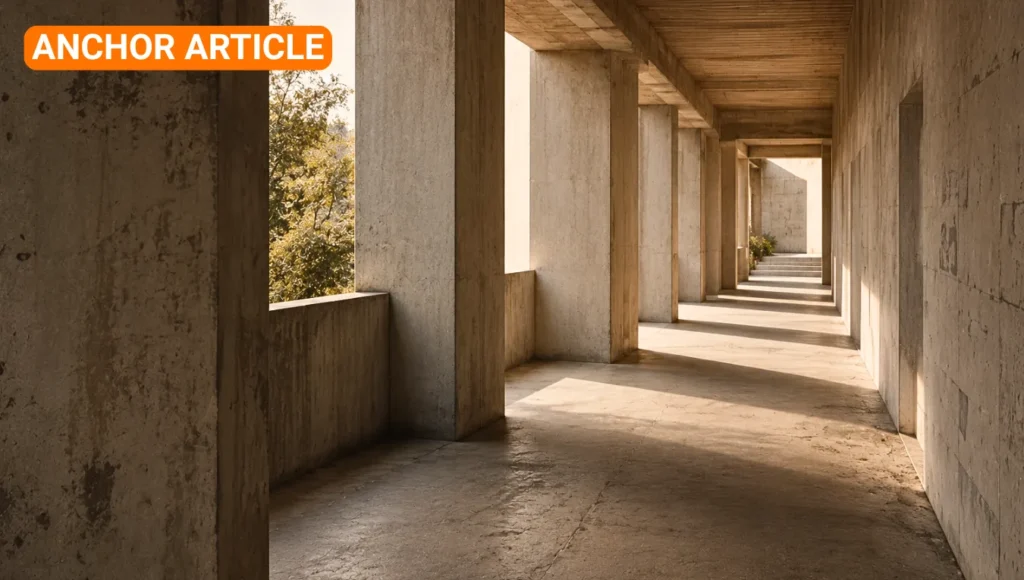
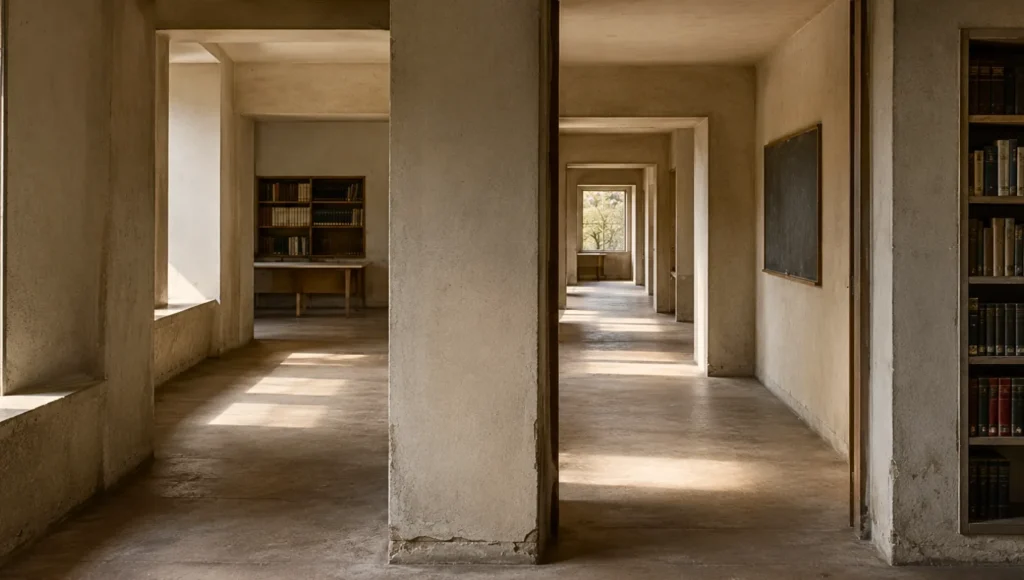
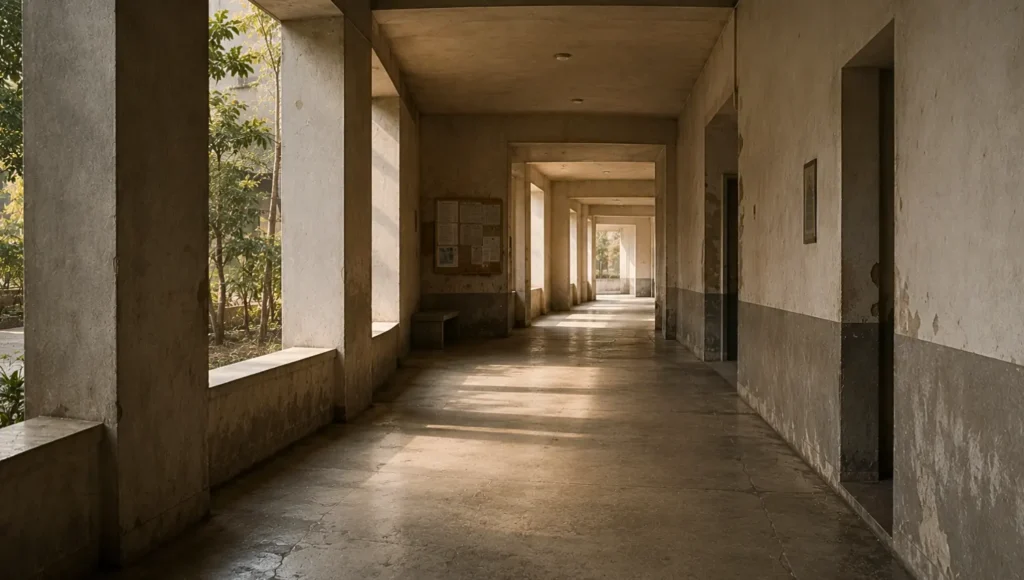
The Pathways That Carry Learning Into Participation
When Access to Learning Is Not Enough
What Makes a Pathway Real and Usable
Learning can begin.
But without pathways that carry it forward, progress struggles to become participation.
Access creates entry.
But entry alone does not ensure that learning can continue, move forward, or endure.
A pathway can exist in theory.
But it only becomes real when people can actually move through it.
PILLAR 3
Belonging & Culture
Makes learning endure
The shared expectations and social patterns that allow learning to remain part of everyday life.
When People Cannot See Themselves In The Path, Learning Struggles To Continue
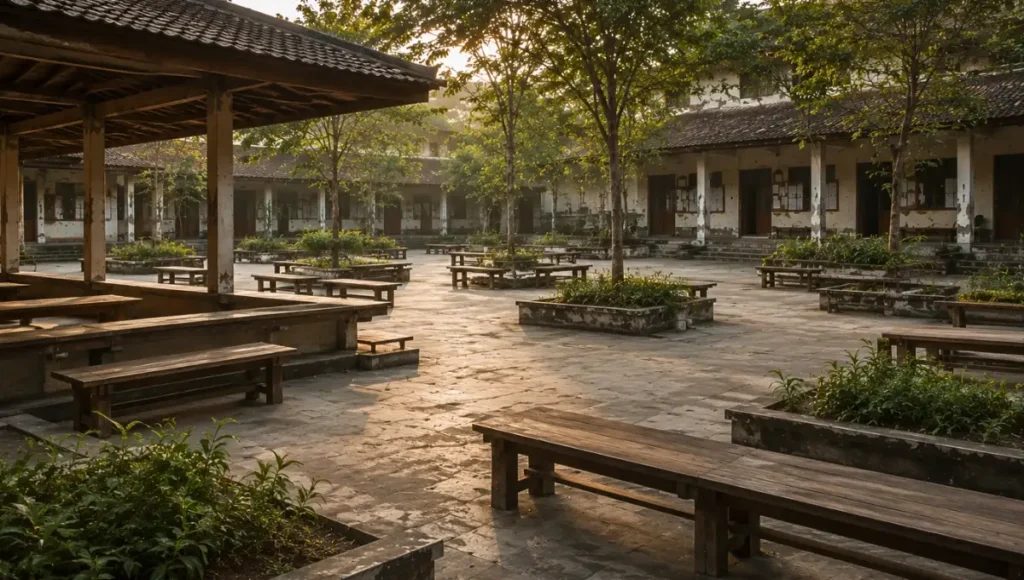
People are more likely to continue where learning feels recognised, supported, and connected to the world around them.
Learning can begin.
Pathways can exist.
But progress becomes difficult to sustain when people feel disconnected from the environments around them.
Where learning, participation, and growth are recognised within everyday life, people are more likely to remain engaged over time. Shared expectations, visible examples, and social reinforcement help transform progress from an isolated effort into something communities can carry collectively.
Baino strengthens the cultural and social conditions that allow learning to remain connected to life, identity, and long-term participation.
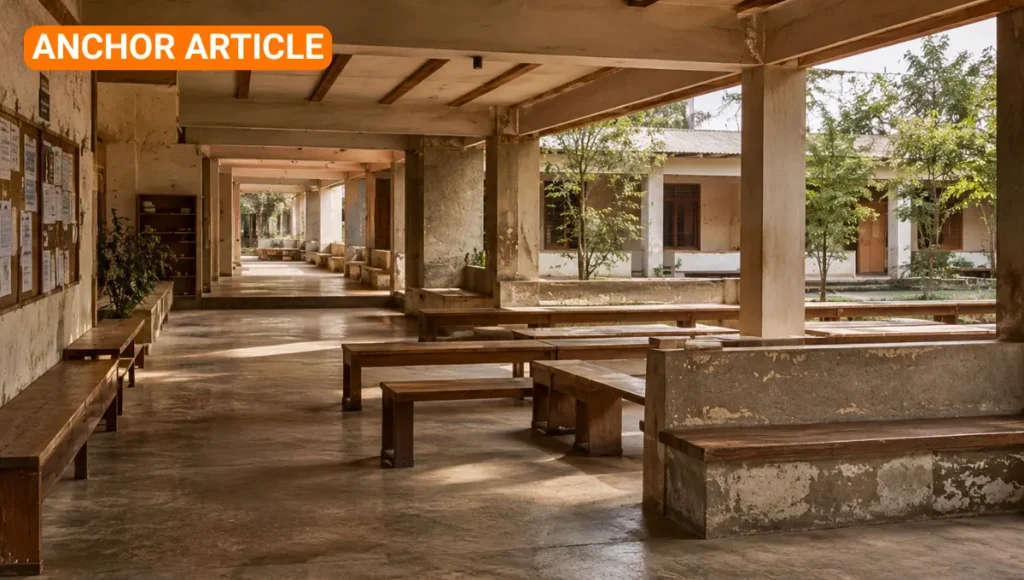
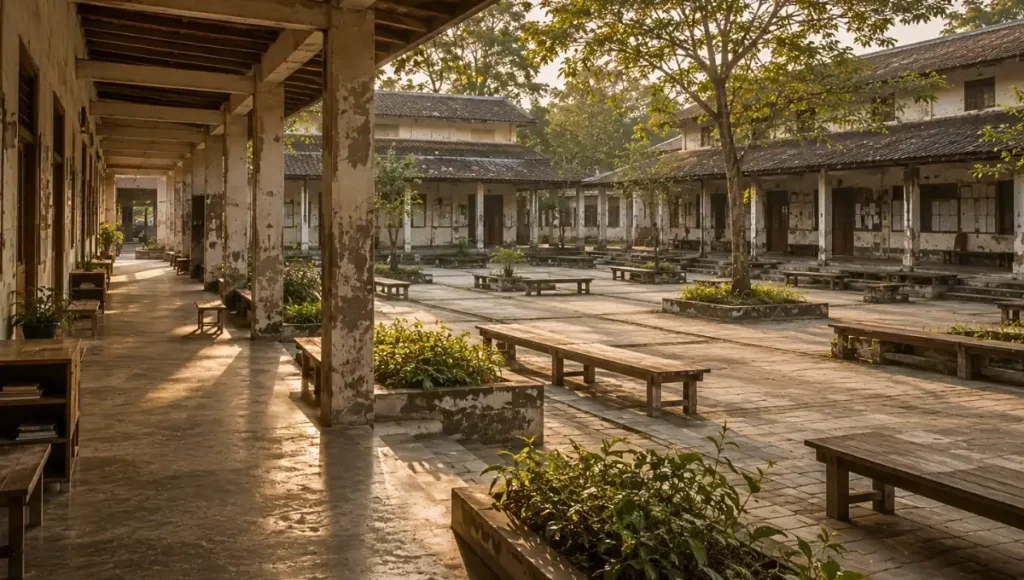
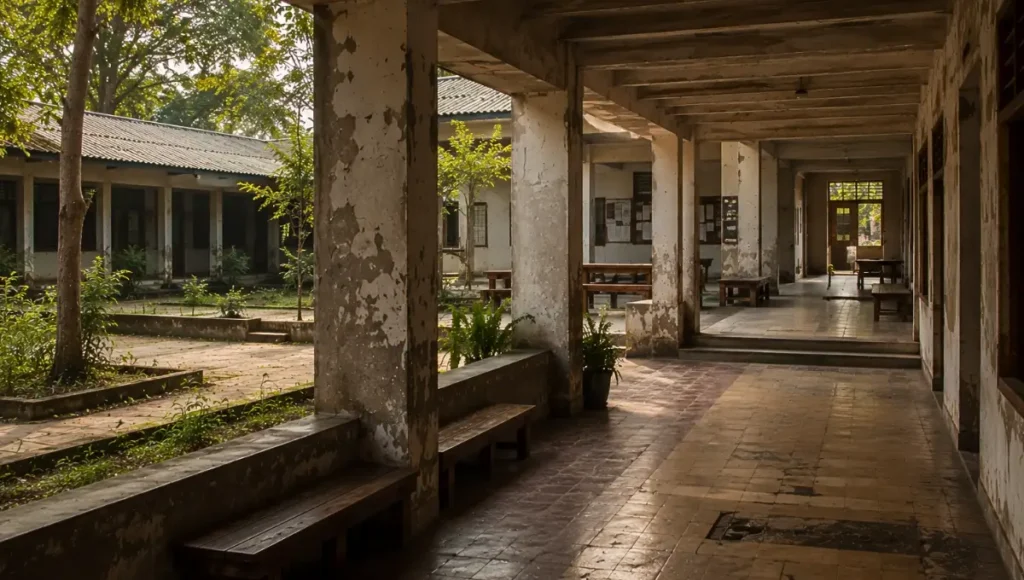
When People See Themselves in the Path
Why People Do Not Stay on the Path
How Communities Carry Progress Forward
Progress is easier to sustain when people can recognise themselves within the path they are walking and remain connected to it over time.
Movement rarely stops all at once.
It often weakens gradually as the connection between people and their environment begins to fade.
Progress endures more easily when it becomes shared, reinforced, and carried beyond individual effort into community life.
PILLAR 4
Economic & Social Continuity
Sustains the conditions that allow progress to continue
Economic and social stability that allows learning to continue when disruption would otherwise break its continuity
Without continuity, progress does not pause. It resets
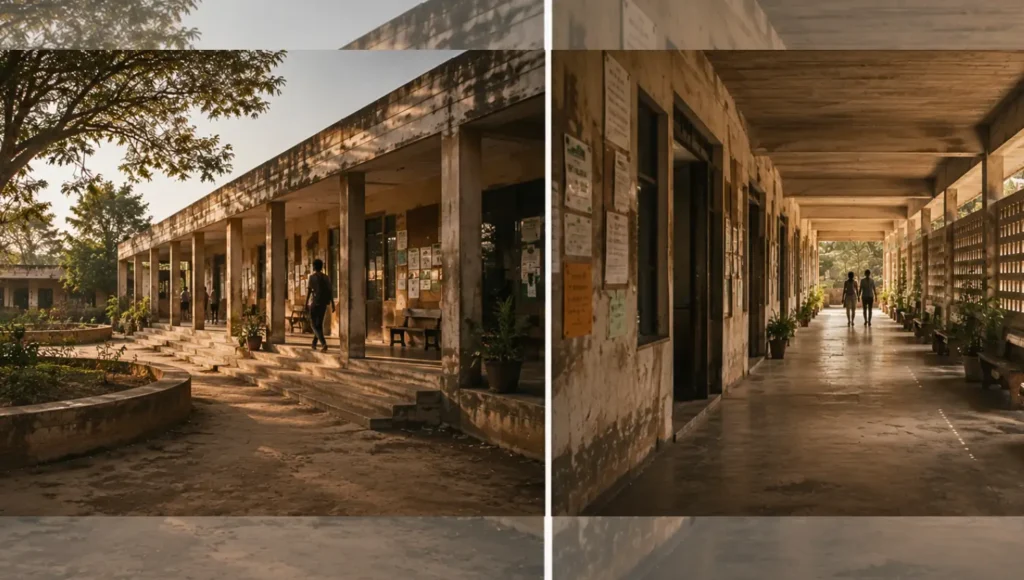
Progress becomes fragile when life is unstable enough to interrupt what was already beginning to hold.
Learning does not move forward through beginnings alone.
It depends on whether progress can continue through the pressures of daily life.
Economic strain, instability, and competing responsibilities can interrupt learning even when commitment, direction, and opportunity already exist. Over time, these interruptions weaken continuity and prevent effort from accumulating into lasting progress.
Economic & Social Continuity focuses on protecting the conditions that allow learning and participation to continue. It strengthens the stability required for progress to hold, so that movement forward is not repeatedly undone by disruption.
When Progress Is Interrupted
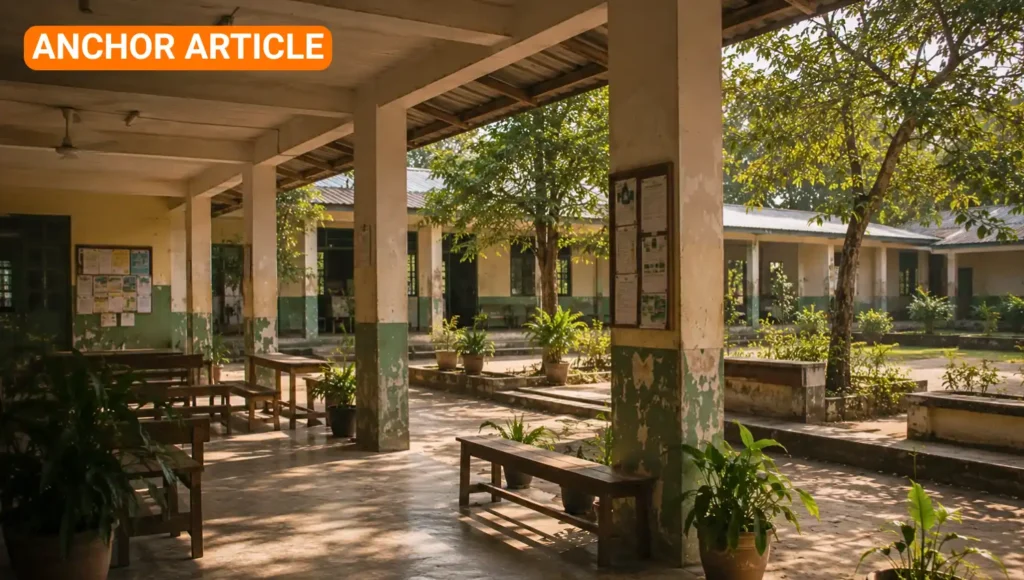
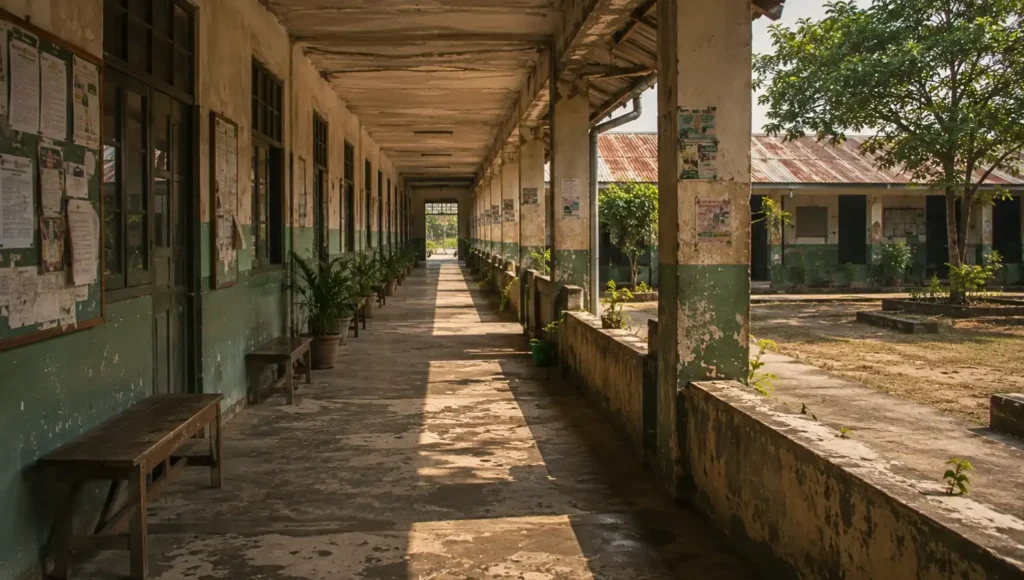
Why Progress Breaks Midway
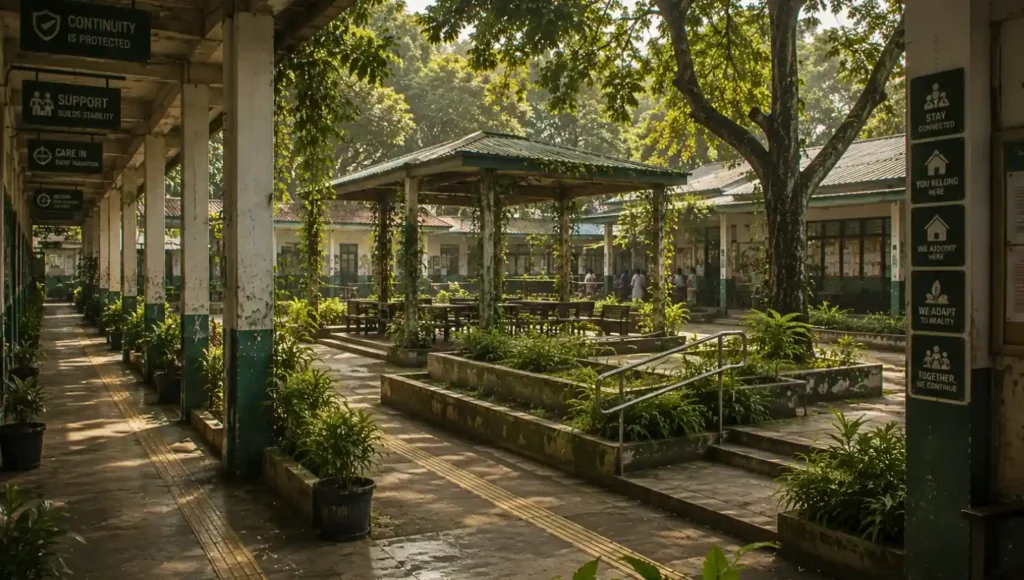
What Protects Progress from Breaking
Progress depends on more than effort alone.
It depends on whether learning can continue through the realities people face every day.
Progress rarely breaks at the beginning.
It often weakens during continuation, when pressure gradually interrupts return.
Some forms of support ease pressure temporarily.
Others strengthen the continuity that allows progress to keep moving forward.
PILLAR 5

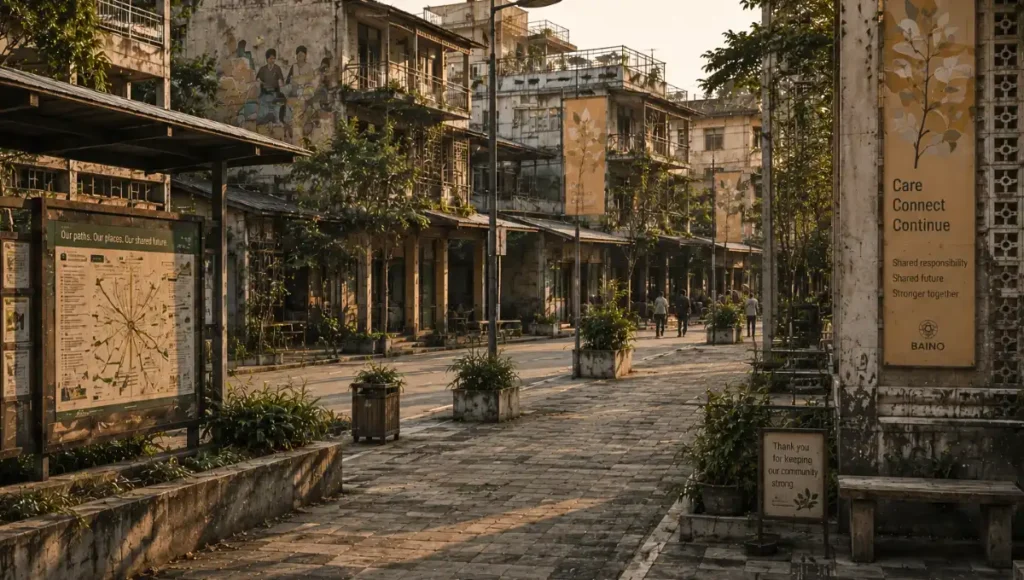
Continuity & Norms
Turns progress into a shared norm
Shared expectations and patterns that make learning part of everyday life
Without shared norms, progress must be rebuilt again and again
For progress to endure, it must become part of what a community continues, expects, and carries forward.
Progress does not endure through effort alone.
It survives through what continues around it.
Where learning is repeatedly reinforced through expectations, direction, and shared patterns, it becomes part of how a community moves over time.
Where these patterns remain fragile or inconsistent, progress struggles to hold its shape across generations.
Baino strengthens the conditions that allow learning, growth, and participation to continue beyond isolated individuals, so that progress becomes socially sustained rather than repeatedly rebuilt.



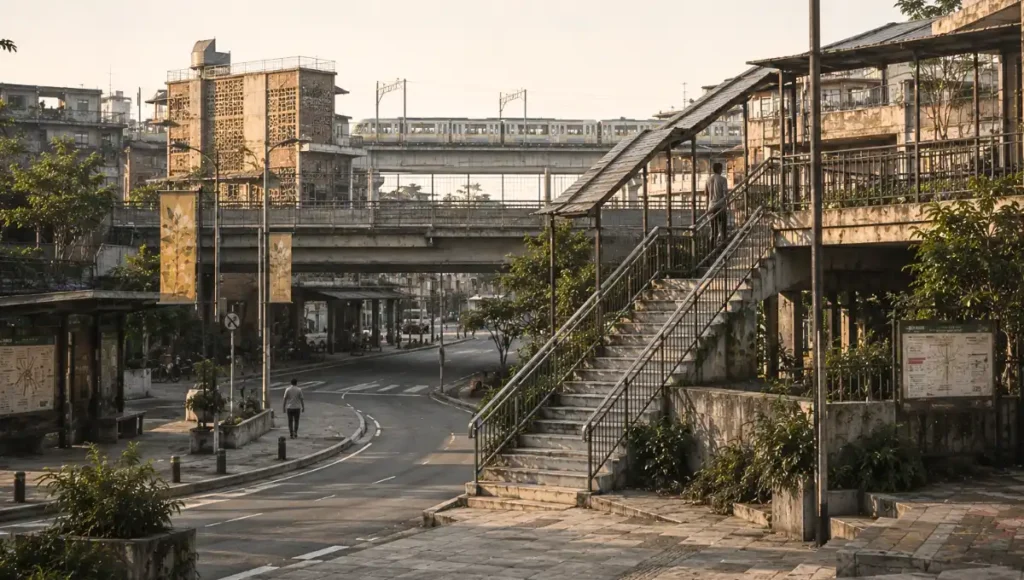
When Progress Becomes Normal
The Ceiling You Don’t See
The Direction People Follow
Progress endures most easily when it becomes part of what communities repeatedly continue, expect, and reinforce.
People often rise only as far as the environment around them expects progress to go.
People do not move toward possibility alone.
They move toward what they see continue around them.