The conditions that allow learning to move through connected stages over time
Part of a series on how learning begins, develops, and continues within real communities.
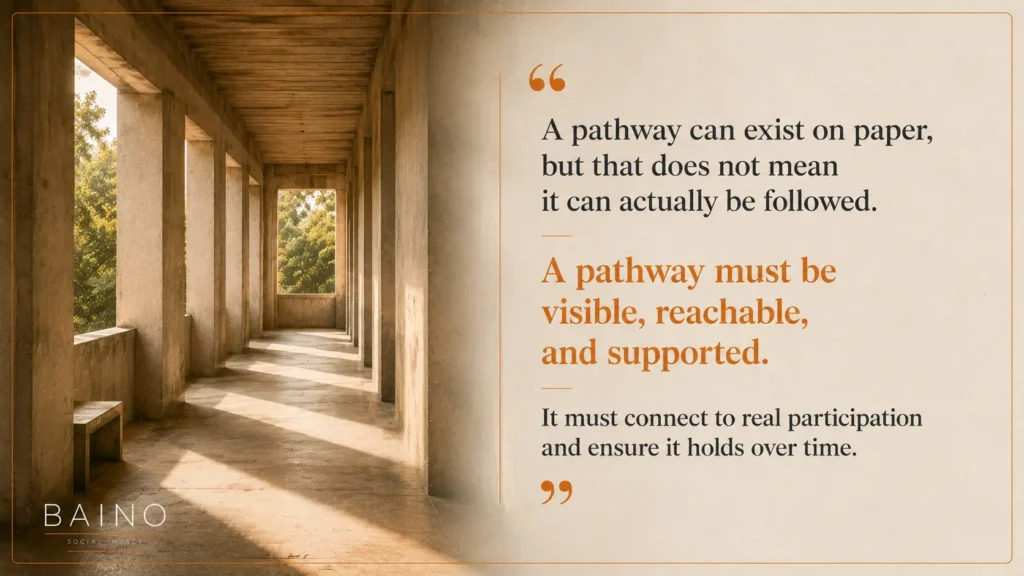
A pathway can exist on paper.
It can be described,
planned,
and even partially built.
But that does not mean it can actually be followed.
This is where many well-intended systems begin to weaken.
They create structure,
but not movement.
They define stages,
but do not ensure those stages can realistically be crossed.
And so, what appears complete in theory remains difficult to use in practice.
A pathway must be visible
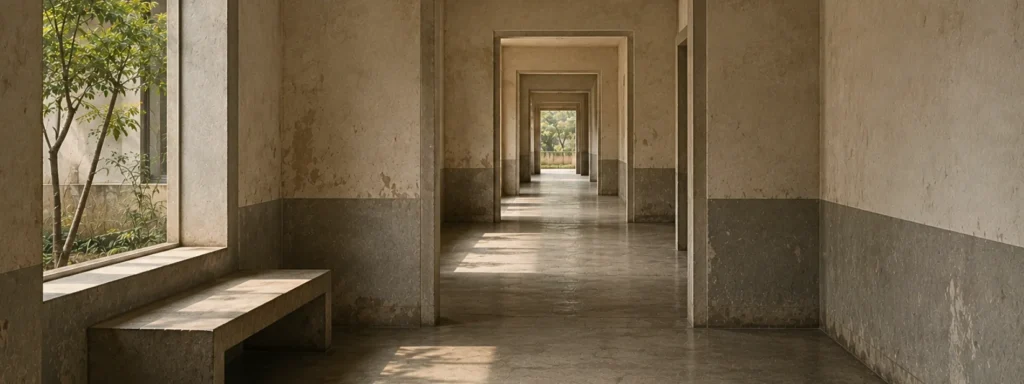
For a pathway to be usable, it must first be clear.
A learner should be able to understand:
where they are,
what comes next,
and how movement continues from one stage to another.
When this becomes unclear, continuity weakens.
People hesitate.
They second-guess their decisions.
Direction begins to fragment.
Clarity does not remove difficulty.
But it reduces uncertainty.
And that makes sustained movement more possible over time.
A pathway must be reachable
Even when the next stage is visible, it may not be realistically reachable.
The transition may require resources, support, or conditions that remain unavailable.
The distance between stages may become too difficult to cross consistently.
In such cases, the pathway exists structurally,
but not practically.
A usable pathway reduces these gaps.
It ensures that the next stage is not only defined,
but realistically accessible within the environments where people actually live.
Not perfectly.
But consistently enough for movement to remain possible.
A pathway must be supported
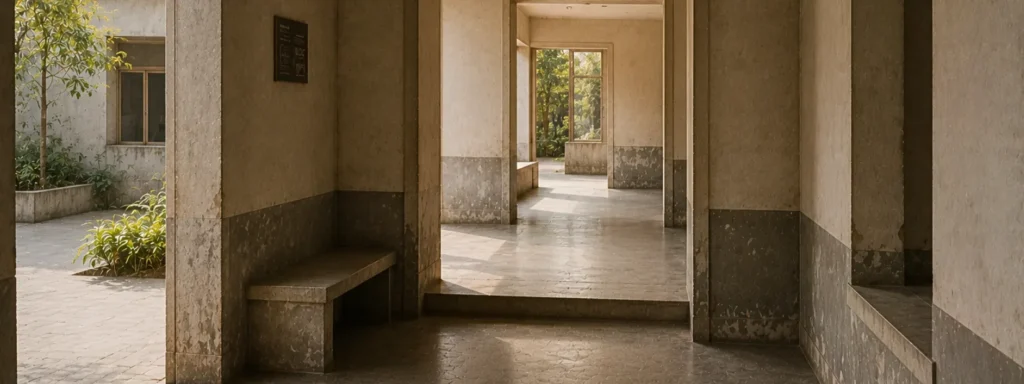
Transitions are rarely smooth.
They involve uncertainty,
adjustment,
and changing expectations.
Without support, many people stop at these points.
Not because they lack ability,
but because the transition becomes too difficult to navigate alone.
Support does not mean removing challenge.
It means ensuring that challenge does not quietly become interruption.
Guidance,
mentorship,
and continuity of direction all matter here.
They help carry movement across stages that might otherwise break the flow of progress.
A pathway must connect to real participation
A pathway only becomes meaningful when it leads somewhere real.
Not simply to another stage of preparation,
but toward participation beyond instruction itself.
Toward contribution.
Toward application.
Toward the ability to engage meaningfully within the wider world.
If the later stages of a pathway remain disconnected from lived participation, the entire structure begins to weaken.
Because the learner cannot clearly see what movement is leading toward.
And when participation remains distant or abstract, continuity becomes difficult to sustain over time.
A pathway must hold over time
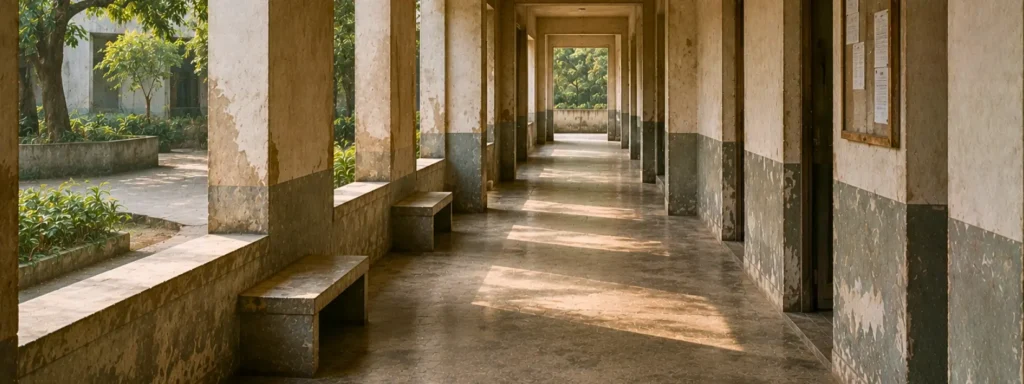
Even a well-designed pathway can fail if it cannot remain stable.
If it changes unpredictably.
If transitions repeatedly disappear or weaken.
If continuity depends entirely on temporary conditions.
Pathways matter because they are not used once.
They are used repeatedly,
across many individuals,
and over long periods of time.
And it is this repetition that transforms structure into reliability.
Over time, people begin to trust movement that consistently holds.
What this reveals
A pathway is not defined by design alone.
It is defined by usability.
By whether people can actually move through it.
By whether transitions can occur without repeatedly breaking continuity.
By whether effort can continue from one stage into the next.
This is what turns structure into movement.
Conclusion
Learning does not move forward on its own.
It moves through pathways that people can actually follow.
Pathways that are visible,
reachable,
supported,
connected to real participation,
and able to hold over time.
These conditions do not remove difficulty.
Nor do they guarantee what every learner will achieve.
But they make it more possible for effort to continue from one stage into the next.
Without them, transitions are increasingly left to chance.
With them, movement becomes more sustainable.
Learning is no longer held within an isolated stage.
It begins to carry forward.
Pathways do not stand alone
Even a usable pathway does not operate independently from the environment surrounding it.
Its stages may be clearly defined.
Its transitions may be carefully designed.
But whether people can continue moving through it will also depend on the structures, rhythms, and conditions present in everyday life.
These conditions can strengthen movement.
They can also place it under pressure.
The next question, therefore, is not only whether a pathway has been designed well.
It is whether the community environment surrounding it can help that movement continue.
→ Continue exploring: How Communities Shape the Course of Learning
Every article is one part of a larger system.
Follow the connections between principles, practice, observation, and community life to explore how lasting progress is built.
When My Two Worlds Met on a Dusty Road
Explore the personal journey that helped shape Baino’s understanding of transition, participation, opportunity, and movement across different worlds.
The Pathways That Carry Learning Into Participation
Explore the structures that connect learning to movement, continuity, and participation over time.
When People See Themselves in the Path
Explore why learning endures more easily when participation feels connected to everyday life and a person’s sense of belonging.
School Does Not Always Set the Schedule
An observation of how competing responsibilities and community realities influence continuity, transitions, and participation in learning.
Read Field Note →It is designed. This system helps us build it with intention, clarity, and continuity.
Four Directions.
One Purpose.
These four directions help you explore the framework from every angle: returning to the foundation, connecting related ideas, continuing forward, and seeing how it all comes to life in the real world.