Following the logic through the five pillars of Baino Builds Change
At Baino Social Impact, we have spent considerable time asking what allows progress to last.
That question sits behind Baino Builds Change, our framework for thinking about how learning and progress develop within communities.
Its five pillars did not begin as five separate answers. They emerged by following one question into another.
If progress begins, what allows it to continue?
If a path exists, what makes people see themselves continuing along it?
What happens when life makes continuing difficult?
And, eventually, what allows progress to become something communities increasingly know how to carry forward?
Together, these questions led us back to a deceptively simple question:
Why do some forms of progress endure while others repeatedly disappear?
Progress, after all, does not appear all at once.
It is built.
It develops.
It deepens.
It survives certain conditions and weakens under others.
Many efforts understandably focus on outcomes. We are interested in them too. But outcomes are usually the visible result of something deeper.
So we also ask what makes those outcomes possible in the first place, what allows progress to continue, and what helps it endure when circumstances change.
When we follow those questions closely, a pattern begins to emerge.
Consider learning.
If we want more children to learn, the obvious response is to improve access to learning. More classrooms, more teachers, more materials and more opportunities can all matter.
And they do.
But access raises a harder question.
What happens when a child reaches the classroom but the conditions surrounding learning remain unstable?
A classroom may be available. A teacher may be ready. Learning materials may be present.
Yet attendance can still become irregular. Attention can be divided. Trust can weaken. And returning tomorrow can become harder than arriving today.
The question is no longer simply one of access.
Something earlier in the chain is affecting what access can accomplish.
So the investigation takes us backwards.
Before asking how learning can continue, we have to ask what allows it to take hold in the first place.
For instruction to fully do its work, there must be enough stability around the learner for attention, trust, effort, and return to become possible.
This changes where the journey begins.
Lasting learning, then, does not begin with instruction alone. It also depends on the conditions that make sustained participation possible.
At Baino, we call this first pillar Community Care: strengthening the conditions around learning so that participation has something stable to stand on.
But stability, important as it is, cannot answer everything.
A learner may now have the conditions needed to begin and return.
But where does that learning go?
Learning can begin without necessarily leading anywhere.
Knowledge can accumulate. Skills can develop. Preparation can occur. Yet without a usable route forward, learning may remain disconnected from participation, contribution, and the next stage of life.
Stable conditions can give learning somewhere to begin. But they cannot, on their own, give that learning somewhere to lead.
Learning also needs a way forward.
This is where Pathways, the second pillar of Baino Builds Change, enter the framework.
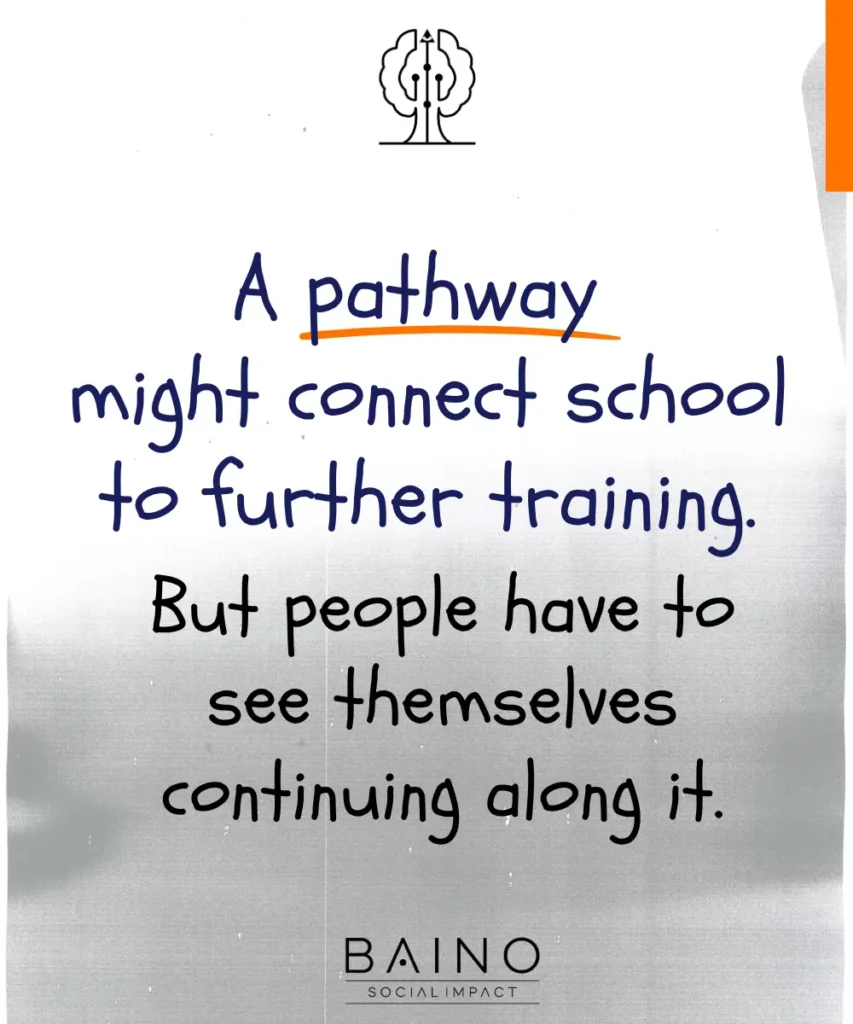
Pathways connect stages. They help carry learning beyond its point of origin and create routes through which growing knowledge and ability can move into wider participation.
A pathway might connect school to further training, training to meaningful work, or growing ability to a recognised role within community life.
In this sense, access opens a door. Stability helps someone return. A pathway gives that continued learning somewhere to lead.
But the existence of a pathway does not guarantee that people will see themselves continuing along it.
This raises the next question:
If a path exists, what makes people see themselves continuing along it?
The answer cannot be found in structure alone.
An opportunity may be technically available and still feel distant from everyday life. Further education may be possible. Meaningful work may be within reach. A new form of participation may exist. Yet if these possibilities feel unfamiliar, socially distant, or disconnected from the world people know, their existence alone may not make them feel believable.
A path becomes more powerful when people can see that it can be walked from where they are, that continuing along it makes sense within the life around them, and that the future it points towards feels possible rather than remote.
People, then, need more than somewhere to go.
They need to be able to recognise themselves within the direction they are travelling.
This is where Belonging & Culture, the third pillar, enters the framework.
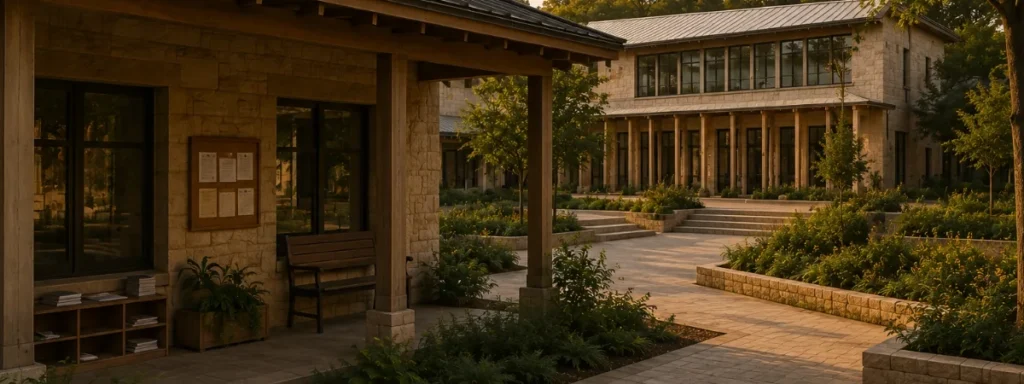
Belonging helps participation feel connected rather than foreign. Culture shapes what people repeatedly see, recognise, value, and imagine as possible within the world around them.
Together, they help turn an available pathway into one that feels believable, meaningful, and worth continuing.
By now, several conditions are working together.
There is enough stability to begin. A pathway exists. People can see themselves within it and have reason to continue.
Yet even all of this cannot guarantee that progress will endure.
Because wanting to continue and being able to continue are not always the same thing.
What happens when life makes continuing difficult?
Responsibilities accumulate. Income becomes uncertain. Families encounter disruption. Immediate needs compete with long-term plans. And progress that had been taking hold can begin to weaken.
Commitment alone cannot remove those pressures.
Nor does interruption necessarily mean that the pathway was wrong or that belonging was absent. Sometimes progress becomes fragile simply because the conditions supporting it come under pressure at precisely the wrong moment.
So another requirement appears.
Progress must not only be built. At vulnerable moments, its continuity must also be protected.
This is the concern of Economic & Social Continuity, the fourth pillar.
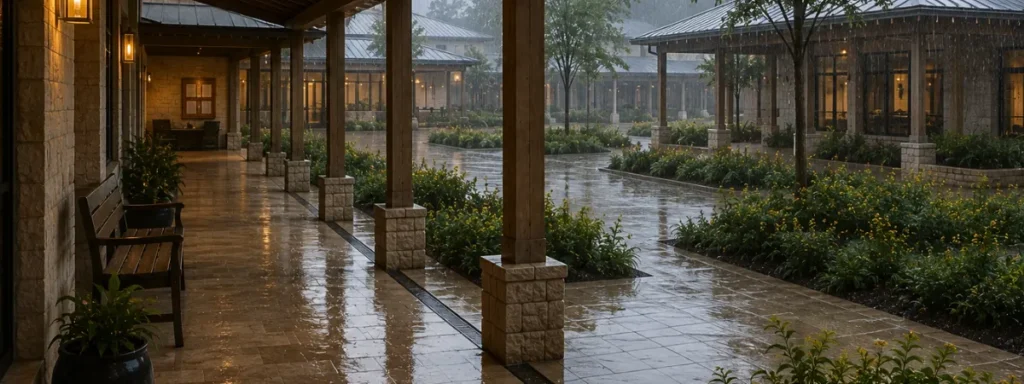
Protection, in this sense, does not mean removing difficulty from life. Nor does it mean creating permanent dependence on support.
It means recognising when economic or social pressure threatens to break an otherwise viable journey, and strengthening continuity where it is most exposed.
The aim is not to make progress effortless.
It is to make disruption less capable of ending it.
But protection raises one final question.
If progress continues to depend on exceptional support whenever it comes under pressure, how durable has that progress really become?
And that leads to a deeper question:
What would it take for progress to become something ordinary life increasingly knows how to carry?
This is where Continuity & Norms, the fifth pillar, takes the investigation further.

When people continue along a path over time, they leave behind more than individual outcomes.
They leave evidence.
A young person who continues into further education, skilled work, enterprise, leadership, or another meaningful form of participation makes such possibilities more visible to those around them.
At first, such progress may still appear exceptional.
But when continuity becomes visible again and again, the environment around it begins to change.
Families have examples to point to. Younger people can see routes that have already been travelled from within their own communities. Communities accumulate evidence that certain forms of progress are not merely possible somewhere else, but possible here.
What was once unusual becomes more believable.
What becomes believable can shape expectation.
And what communities repeatedly expect can begin to influence what people prepare for, support, and carry forward.
This is where norms begin to matter.
Not because repetition automatically produces something good. Harmful patterns can become normal too.
The deeper question is what forms of progress an environment repeatedly makes visible, credible, supported, and easier to follow.
Over time, constructive forms of participation can begin to require less explanation.
Less exceptional effort.
Less constant reconstruction.

The conditions established earlier in the journey still matter. Stability remains necessary. Pathways still need to be usable. Belonging still matters. And life can still apply pressure.
But something around the journey has changed.
Progress is no longer carried only by the determination of the person pursuing it.
Increasingly, it is also carried by expectations, examples, relationships, institutions, and habits that have formed around it.
What once had to prove that it was possible can gradually become part of what a community knows how to continue.
And this is where the five pillars begin to reveal their deeper relationship.
Community Care creates stable conditions around learning.
Pathways give learning a way forward.
Belonging & Culture help people see themselves continuing along that path.
Economic & Social Continuity helps protect progress when life places it under pressure.
And Continuity & Norms asks how progress can become increasingly expected, reinforced, and carried forward.
None replaces the one before it.
They accumulate.
Stable conditions still matter as pathways emerge. Pathways still matter as belonging grows. And even as constructive norms take root, the conditions established earlier in the journey remain necessary.
Each condition strengthens the journey while exposing the next question.
Seen this way, Baino Builds Change is not simply a collection of five separate ideas.
Its five pillars describe something more connected: stages in the maturation of progress.
As that maturation takes place, something else becomes increasingly important: community ownership.
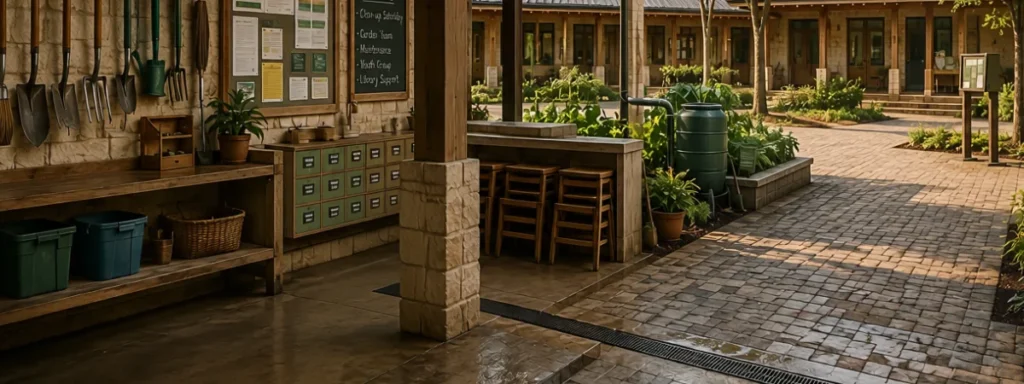
Progress cannot become deeply rooted if communities remain only the recipients of it. People must increasingly participate in shaping it, sustaining it, adapting it, and carrying it forward themselves.
Ownership, then, grows through the framework as progress becomes more embedded in the life of a community.
And this brings us back to the inquiry running through all five pillars:
What does progress need next if it is going to endure?
That question begins with education, but it does not end there.
Lasting progress is rarely produced by one intervention acting alone. More often, it develops through conditions that reinforce one another and strengthen a community’s ability to carry progress forward.
We do not assume that these five pillars contain every answer.
They offer us a disciplined way of continuing the question.
Perhaps durable change is built, in part, by refusing to stop asking.

BAINO BUILDS CHANGE
Explore the Five Pillars
How is change built and sustained in a community?
Baino Builds Change follows that question through five connected pillars,
each examining a different condition that helps progress take hold,
continue, and endure.