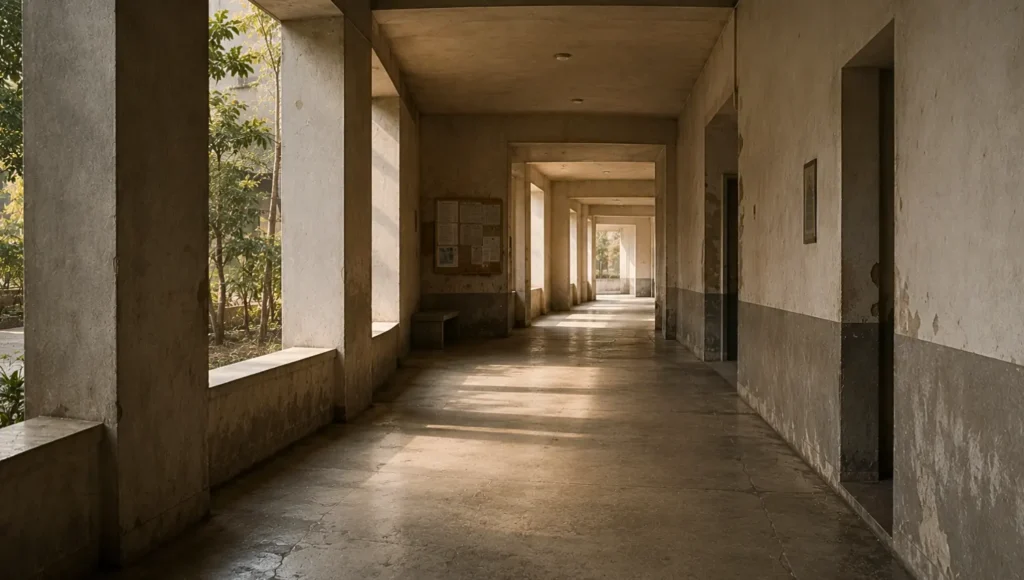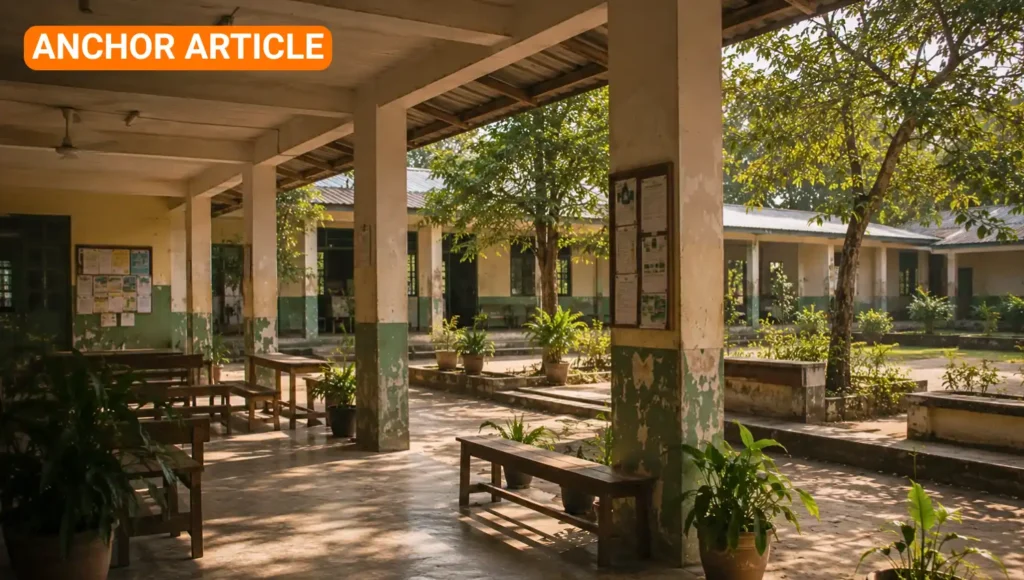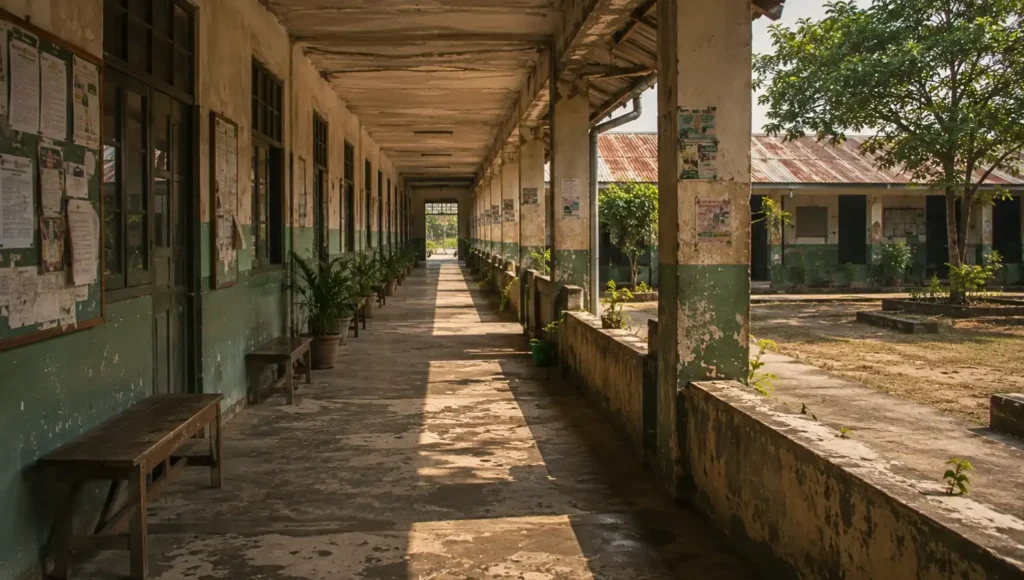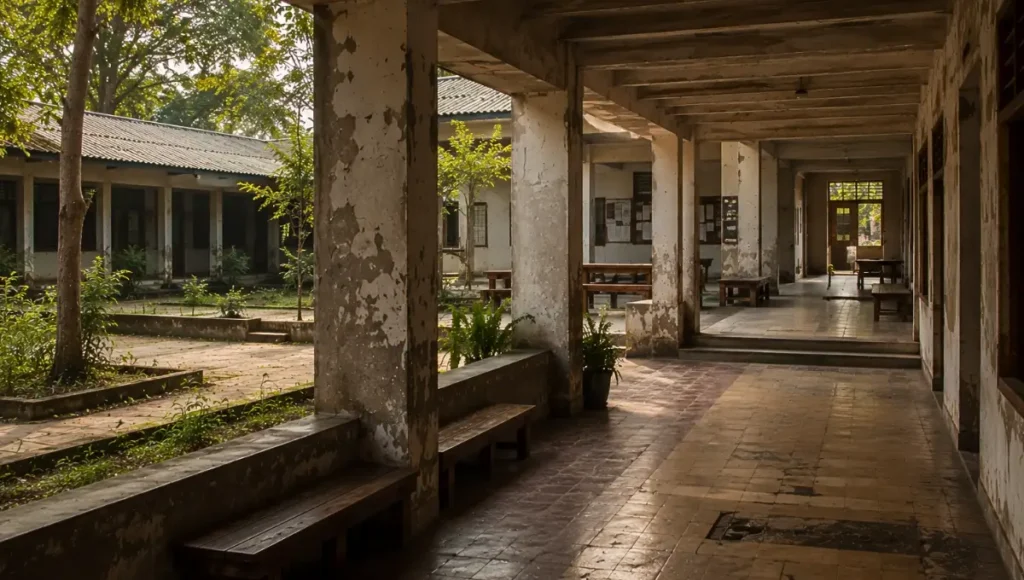
Learning pathways are the structures and transitions that carry learning beyond instruction and into participation. They connect stages of growth, support continuity over time, and help individuals move from preparation into meaningful engagement within society.
Day: June 18, 2026
When Access to Learning Is Not Enough
Access to learning creates entry into education, but it does not always create continuation. Without pathways that connect stages, support transitions, and sustain movement over time, learning can remain disconnected from participation and real-world application.
What Makes a Pathway Real and Usable
A learning pathway becomes usable when learners can realistically move through connected stages over time. This requires visible progression, reachable transitions, sustained support, and continuity between learning and real participation in the wider world.
Why People Do Not Stay on the Path
Why do people quietly disengage from learning pathways even when opportunity exists? This article explores how persistence is shaped not only by personal effort, but by belonging, recognition, and the surrounding environment. It examines how participation becomes difficult to sustain when learning no longer feels connected to identity, everyday life, or socially reinforced continuity.
When Progress Is Interrupted
Learning can begin, pathways can exist, and people can remain committed, yet progress can still break. This article explores why continuity in education matters, showing how interruption, economic pressure, instability, and competing responsibilities often disrupt learning long before effort or motivation disappear. It argues that progress depends not only on learning opportunities, but on the ability to continue moving forward through the realities of everyday life.
Why Progress Breaks Midway
Why does progress often break after it has already begun?
This article explores how interruption, instability, and competing pressures gradually weaken continuity over time. It examines why many learning journeys struggle during continuation rather than at the beginning, and why protecting continuity is essential for sustained participation and long-term progress.
How Communities Carry Progress Forward
Why does progress continue more easily in some communities than others? This article explores how participation becomes socially reinforced through repetition, expectations, shared direction, and visible continuity across everyday life. It examines how communities quietly shape what people learn to recognise as possible, sustainable, and worth continuing across generations.
When People See Themselves in the Path
Learning does not continue through structure alone. It becomes easier to sustain when people can recognise themselves within the environments around them. This article explores how belonging, culture, shared expectations, and social reinforcement help learning remain connected to everyday life and participation over time.
What Protects Progress from Breaking
What protects progress from breaking?
Progress is protected when support is connected to continuity, timed before interruption deepens, and designed around real conditions. This article explains why relief alone is not enough, and how protective structures help learning and participation continue under pressure.
The Ceiling You Don’t See
Communities shape progress not only through opportunity, but through expectation. This article explores how visible outcomes, repeated exposure, and socially sustained continuation influence what people come to believe is realistic to pursue over time.